
As of March 2026, we offer a comprehensive optimization guide focusing on the nutritional and digestive challenges senior pets may face in spring, from reduced mobility to immune support. Discover scientific approaches for a healthier, more energetic season for your cherished companions.


Discover the neurobiological signals of hidden stress your newly adopted cat experiences during adaptation to a new social environment. This article reveals 5 insidious signs of your cat's silent struggle and scientific strategies for peaceful, long-term harmony.

Your dog's anal sacs, located beneath the tail, can be hidden alarm bells often overlooked but profoundly affecting their quality of life. In this article, you will discover the 5 insidious neurobiological effects of anal sac problems on the brain and the lifesaving care secrets you need to know for your furry friend to live a peaceful life.
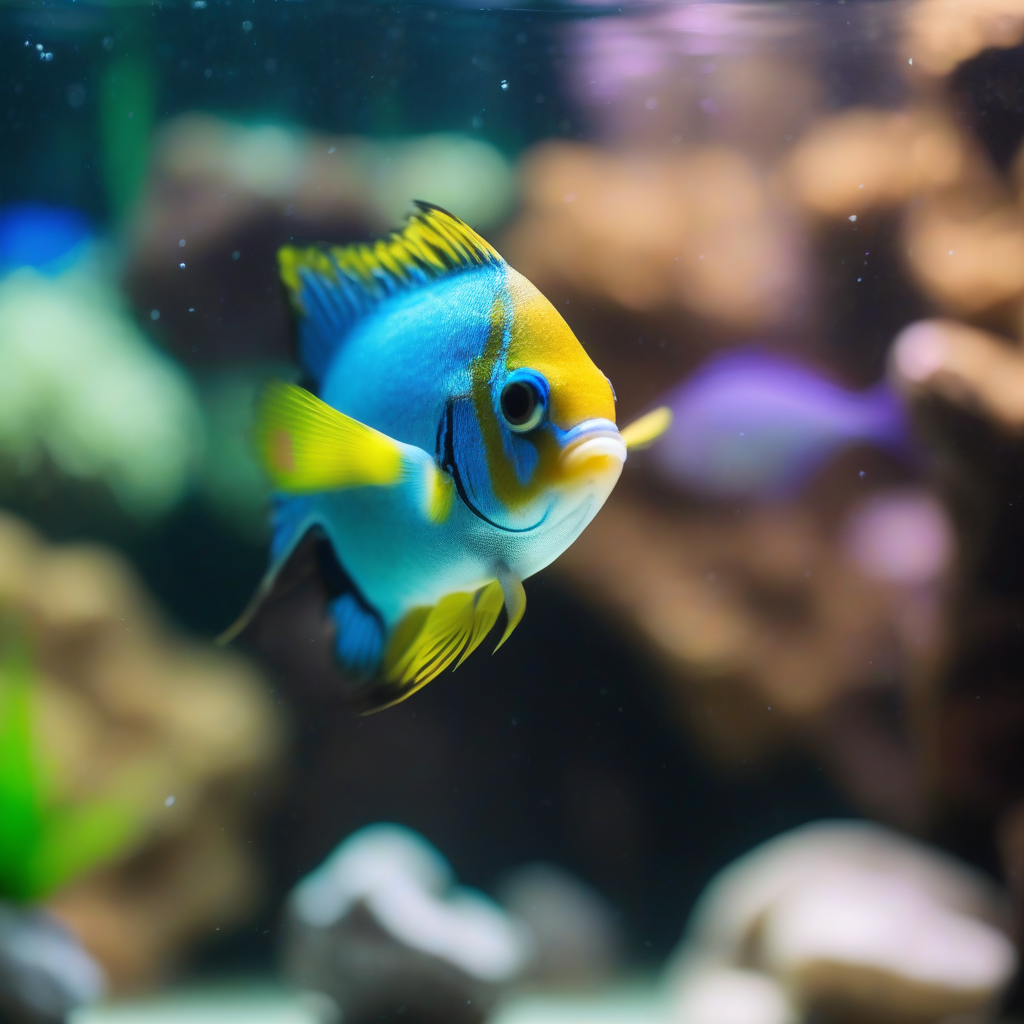
In this article, you will find comprehensive information on the insidious neurotoxic effects of heavy metal poisoning in aquarium fish, its symptoms, and lifesaving emergency intervention codes. This condition, which can arise from household water sources, improper equipment, or neglect, can severely threaten your fish's quality of life and lifespan.
As we enter March 2026, with nature awakening and days getting longer, the special needs of our senior beloved pets become even more crucial. While seasonal transitions require adaptations even for young and adult animals, for our companions in their golden years, these changes may necessitate different strategies across various areas, from the digestive system to mobility, immune resilience, and overall vitality. This guide offers scientific, up-to-date, and professional approaches to nutrition and digestion optimization, ensuring your senior dog or cat welcomes spring in the healthiest and happiest way possible.
With the aging process, pets' metabolisms slow down, energy requirements shift, and their digestive systems can become more sensitive. The arrival of spring, with its increased potential for activity, temperature fluctuations, and environmental factors, necessitates a re-evaluation of our senior companions' dietary plans.
Senior animals are typically less active and may experience muscle mass loss. This means their daily caloric needs might be lower than in their younger years. However, the longer days and milder weather of spring can stimulate their desire to spend more time outdoors. A balanced diet should prevent excessive weight gain while providing sufficient energy for increased light activity. As obesity in senior animals exacerbates joint problems and increases the risk of diabetes, a guide to healthy weight management and active living is of paramount importance during this period.
Aging often brings issues like joint arthritis and muscle mass loss. The increased desire to go outside, walk, and play in spring can put additional stress on already sensitive joints. Therefore, adding joint-supporting components to their diet, especially foods or supplements containing glucosamine, chondroitin, and Omega-3 fatty acids, is vital. For detailed information on this topic, you can refer to our article on advanced mobility and joint health.
Senior pets may experience decreased production of digestive enzymes and changes in their gut microbiota, making nutrient absorption more challenging. Changing weather conditions and increased outdoor exposure in spring can heighten digestive sensitivity. Easily digestible foods with balanced fiber content should be preferred. Furthermore, probiotic and prebiotic support plays a critical role in maintaining a healthy gut flora.
Optimizing your senior pet's digestive health is fundamental to their overall well-being. Several strategic approaches are available for this optimization in spring.
High-quality and digestible protein sources (such as chicken, fish, turkey) should be prioritized to maintain muscle mass. At the same time, foods containing easily digestible fiber sources like beet pulp or pumpkin should be chosen to prevent constipation and support bowel regularity.
Probiotics support the balance of beneficial bacteria in the gut, while prebiotics are fibers that foster the growth of these bacteria. Probiotic and prebiotic supplements, added to the diet upon a veterinarian's recommendation, can help the digestive system become stronger and more resilient, especially alleviating gastrointestinal stress they might encounter during seasonal transitions.
Aging can weaken pets' immune systems. In spring, increased pollen and allergen levels, along with the spread of viruses and bacteria, pose an additional burden on their immune systems. Supporting immunity through nutrition is key to protecting them from seasonal illnesses. For detailed information, please refer to our article on strengthening their spring defense shield.
Antioxidants like vitamins C and E strengthen the immune system by preventing cellular damage. Fresh vegetables (such as carrots, spinach) containing these vitamins or supplements can be added to their diet. Additionally, minerals like vitamin A and zinc are essential for immune function.
Omega-3 fatty acids from sources like fish oil and flaxseed oil, thanks to their anti-inflammatory properties, not only support joint health but also aid in the proper functioning of the immune system.
The mobility and weight of senior pets are critically important for their overall quality of life. Maintaining this balance during spring's increased activity potential is possible with correct nutritional tactics.
Senior companions can easily gain weight as their energy expenditure decreases. High-fiber, low-calorie, yet nutrient-dense foods help with weight control by promoting a feeling of fullness. Portion control and regular exercise are complementary elements to nutrition in this process.
Supplements that support joint health, such as chondroitin, glucosamine, MSM, and green-lipped mussel, allow senior animals to move more comfortably in spring. Additionally, specialized foods or fish rich in Omega-3, like salmon, can be preferred.
Every senior pet is unique and has specific needs. While general guidelines for diet are important, individual differences should not be overlooked. Genetic predispositions, existing health conditions, and lifestyle can profoundly affect nutritional strategies. At this point, thanks to the data obtained through the revolution in personalized health and nutrition, your veterinarian can create the most suitable diet plan. Furthermore, it is essential to obtain professional advice regarding functional foods and targeted supplements to address your companion's specific needs.
In March 2026, optimizing nutrition and digestion is vital for our senior pets to make a healthy and energetic start to spring. Through correct dietary strategies, appropriate supplements, and regular communication with your veterinarian, you can enhance their quality of life and enable them to enjoy this beautiful season. Remember, proactive care and a loving approach are key to a long and happy life for our senior companions.
