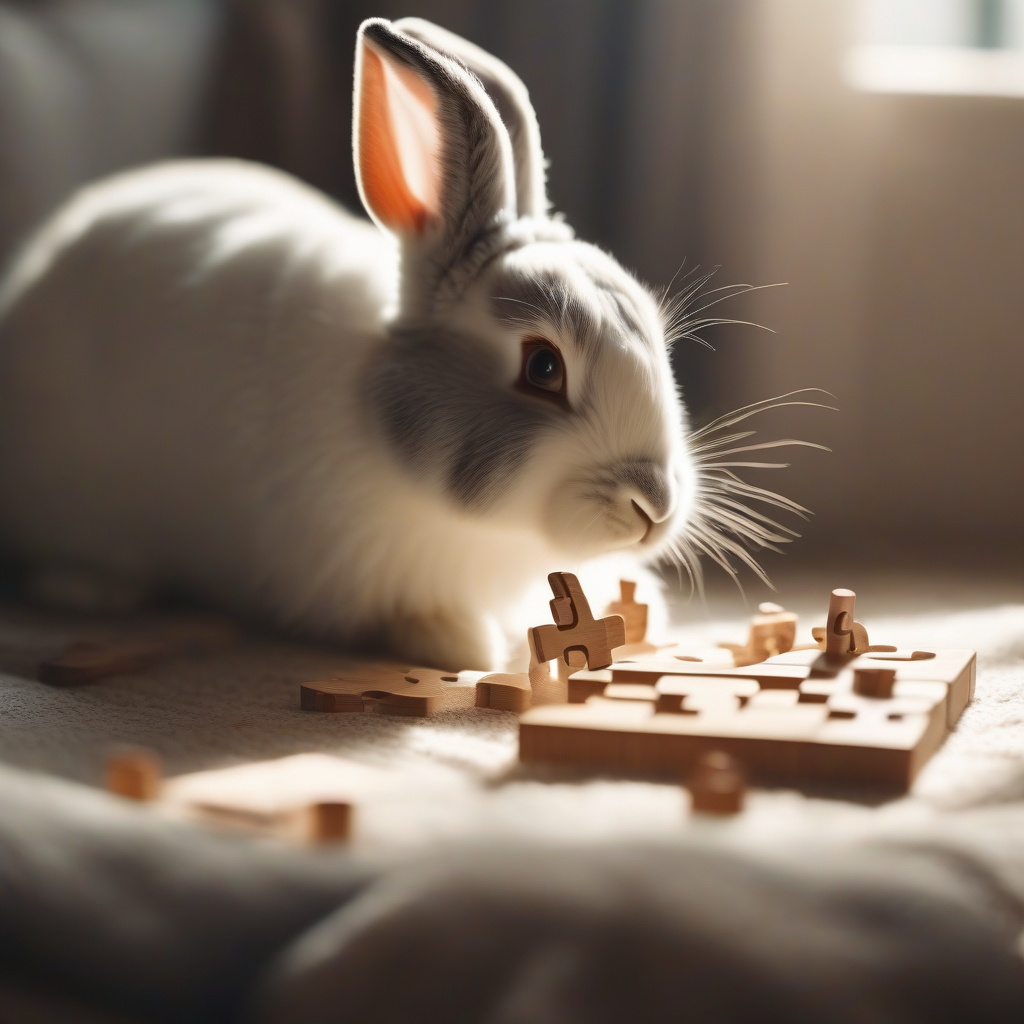
Discover the neurocognitive secrets behind rabbit play behaviors and learn scientific play strategies that support their mental health, reduce stress, and strengthen your bond. In this article, embark on a journey into your tiny companion's inner world, exploring the surprising effects of play on brain development and practical tips for a happier life.

Adequate water intake is fundamental for your cat's overall health and especially brain function. This article deeply explores the insidious neurobiological effects of chronic dehydration on your cat's brain and offers lifesaving scientific hydration strategies.
In this article, you will find comprehensive information on the insidious neurotoxic effects of lead poisoning on the bird's brain and lifesaving emergency intervention codes.
While cats possess a surprising ability to adapt to high-rise fall traumas, the insidious neurophysiological effects on their brain carry vital risks. In this article, we reveal 5 critical neurobiological effects your cat may experience after a fall and the lifesaving emergency intervention codes with scientific secrets.
While rabbits are known for their quiet and graceful nature, they possess a complex and dynamic play language within their inner world. These behaviors, often overlooked, are vital not only for their physical health but also for their mental and emotional well-being. So, how do the brains of these tiny companions develop through play? What neurocognitive mechanisms are activated in their brains during play, and what do these "secret play languages" whisper to us about our rabbits' welfare?
As of July 2026, the latest advancements in pet psychology and behavioral science reveal that rabbit play behaviors have much deeper neurological foundations than we previously imagined. In this article, we will decode the mysterious codes of play in the rabbit brain and examine scientific play strategies to support their happiness and health.
The behaviors rabbits display during play are directly linked to specific neurochemical and structural changes in their brains. Each type of play triggers different cognitive processes, contributing to their overall mental well-being.
Rabbits are naturally curious creatures. When they explore a new toy, a hidden treat, or a different environment, their brains release a neurotransmitter called dopamine. Dopamine is known as the "reward and motivation" hormone, making this exploration process highly satisfying. The brain records this positive experience as a "reward cycle," encouraging the rabbit to explore, play, and learn more. This can be easily activated with puzzle toys or foraging games.
Gentle interactive play with owners or other compatible rabbits (e.g., light chasing, spending time together in tunnels) triggers the release of oxytocin, also known as the "love hormone." Oxytocin is a critical hormone that strengthens social bonds and reinforces feelings of trust. Such games deepen the bond between you and your rabbit, while also helping them develop social skills and feel more secure in their surroundings. Especially in situations like Your Rescued Rabbit's Past Traumas: 5 Neurobiological Secrets to Building a Deep Bond!, play plays a key role in establishing this bond.
Physical play such as running, jumping, and spinning causes rabbits to release endorphins. Endorphins act as natural pain relievers and are known as "feel-good" hormones. These hormones help rabbits lower their stress levels, reduce anxiety, and expend their excess energy healthily. Environments that encourage physical activity, such as spacious play areas, tunnels, and climbing ramps, are ideal for meeting this need.
When rabbits encounter complex play scenarios, such as food-dispensing puzzle toys or hidden treats that require problem-solving, their prefrontal cortex activates. This area of the brain is responsible for higher-level cognitive functions like decision-making, planning, and problem-solving. Such intelligence games enhance rabbits' cognitive flexibility, improve their adaptability, and develop impulse control as stated in the article Your Rabbit's 'Impatient Brain': 5 Neurocognitive Secrets to Developing Impulse Control in Training and Scientific Methods for a Peaceful Learning Process!.
Rabbits can easily fall into monotony. Play materials with different textures (e.g., wood, cardboard, fabric), toys that make various sounds, or new scents stimulate rabbits' sensory systems and can balance serotonin levels. Serotonin has a significant impact on mood and overall well-being. Regularly changing the play area, rotating toys, and providing environments that meet natural needs, such as those discussed in Your Rabbit's 'Underground Kingdom': 5 Insidious Neurobiological Secrets of Natural Digging and Tunneling Needs and Perfect Home Burrow Designs!, enhance their sensory enrichment and prevent boredom.
Understanding your rabbit's play language is key to deciphering their unique personality and needs. The following scientific strategies will help you add more joy and mental stimulation to your rabbit's life:
Understanding your rabbit's "secret play language" and approaching it with scientific strategies profoundly impacts both their mental and physical health. Play is not just a fun activity; it is a vital tool for brain development, stress management, and bonding. By entering their hidden world of play, you can gain a happier, healthier, and more bonded companion. Remember, regular check-ups and behavioral counseling from a good veterinarian are among the most important steps for your rabbit to live a long and high-quality life.
