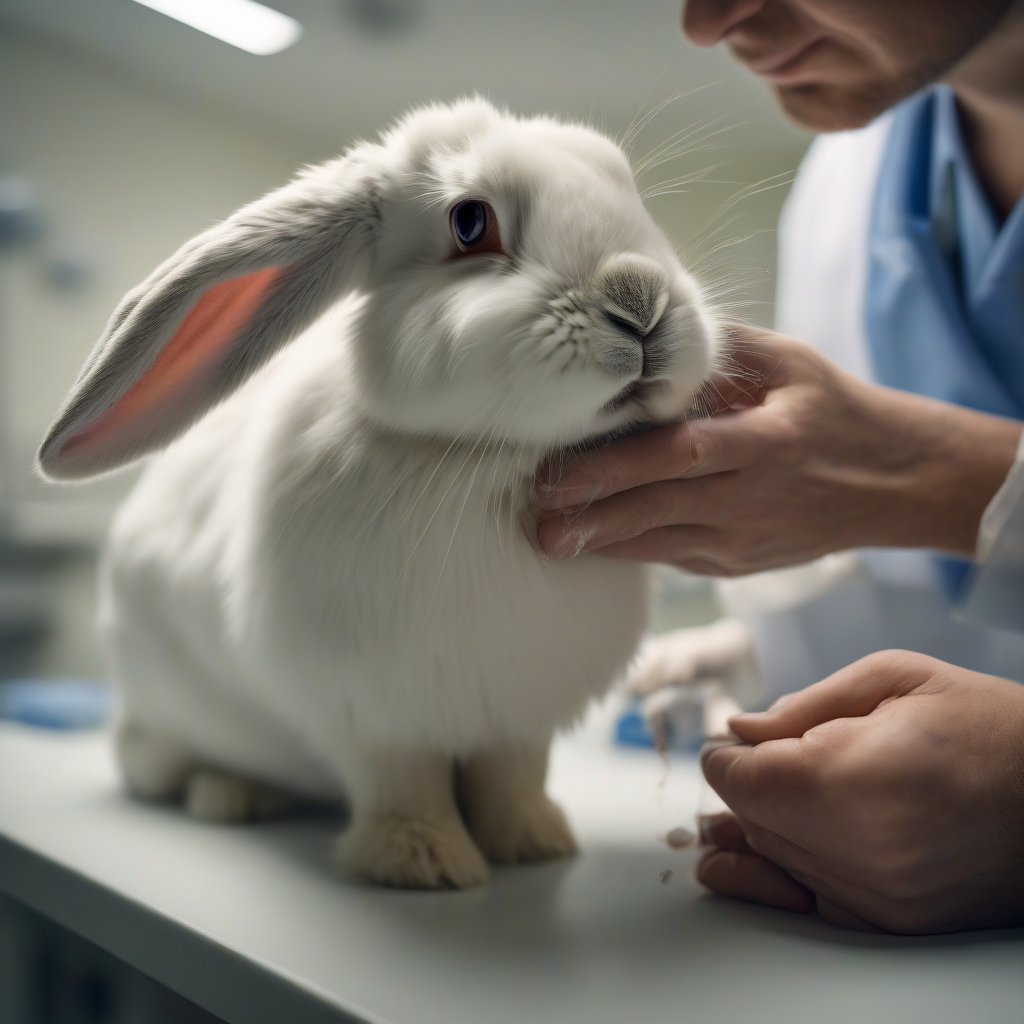
In this article, we scientifically examine the 5 insidious neurophysiological effects of flystrike (myiasis) on the brain, one of the biggest threats to rabbits in summer, and the lifesaving emergency intervention codes. Learn quick diagnosis and correct first aid steps to save your rabbit's life.


Your dog's anal sacs, located beneath the tail, can be hidden alarm bells often overlooked but profoundly affecting their quality of life. In this article, you will discover the 5 insidious neurobiological effects of anal sac problems on the brain and the lifesaving care secrets you need to know for your furry friend to live a peaceful life.
In this article, you will find comprehensive information on the insidious neurotoxic effects of heavy metal poisoning in aquarium fish, its symptoms, and lifesaving emergency intervention codes. This condition, which can arise from household water sources, improper equipment, or neglect, can severely threaten your fish's quality of life and lifespan.

In this article, you will discover how fish make foraging decisions under predator threat, the neurocognitive secrets behind this process, and aquarium design tips to reduce stress in their environment.
As July 2026 brings peak summer temperatures, one of the most insidious threats to pet rabbits, flystrike (myiasis), may be silently lurking. This horrifying condition occurs when flies lay eggs on your rabbit's skin, and these eggs rapidly hatch into larvae that feed on your rabbit's living tissues. Flystrike is not just a superficial problem; it can quickly spread, leading to profound and devastating neurophysiological effects in your rabbit's brain. If not addressed in time, it can, unfortunately, be fatal. In this article, we will scientifically examine the 5 insidious neurophysiological effects of flystrike on the rabbit brain and the lifesaving emergency intervention codes.
Flystrike is not limited to skin wounds; the toxins secreted by the larvae and the infection they cause can affect the rabbit's entire system, especially the central nervous system.
As larvae feed on the rabbit's skin, they cause significant fluid and tissue loss, which can rapidly lead to hypovolemic shock. Hypovolemic shock means that the brain's oxygen and nutrient supply drops to critical levels due to decreased blood volume. Although the brain tries to respond with vasoconstriction (narrowing of blood vessels), prolonged hypoxia (lack of oxygen) can cause neuronal damage and cognitive dysfunction. Lethargy, unresponsiveness, and weakness observed in your rabbit are outward manifestations of this neurobiological collapse.
Open wounds caused by larvae open the door to bacterial infections. These infections can rapidly spread, leading to sepsis and septic toxemia. Bacterial toxins can cross the blood-brain barrier, reaching the brain directly and triggering a severe neuroinflammatory response. Over-activation of microglial cells, cytokine release, and oxidative stress accelerate neuronal damage. This condition may manifest as sudden changes in your rabbit's behavior, tremors, or loss of coordination. To understand risks related to poisoning, it would be beneficial to read our article "Your Rabbit's 'Hidden Poison Map': 5 Neurotoxic Shocks Triggered by Insidious Household Chemicals & Plants and Lifesaving Emergency Intervention Codes!".
Flystrike is an unbearable source of pain for rabbits. The consumption of skin and tissues by larvae results in a continuous and intense flow of nociceptive (pain) signals. This situation over-stimulates the rabbit's stress response system (HPA axis), dramatically increasing levels of stress hormones like cortisol. Prolonged and severe stress can disrupt the balance of neurotransmitters (serotonin, dopamine) in the brain, leading to depression-like states, anxiety, and behavioral changes. Understanding your rabbit's pain signals is crucial for emergency intervention. To recognize emotional signs experienced by rabbits through their facial expressions and body language, you can review our article "Your Rabbit's 'Invisible Emotional Mirror': 5 Neurocognitive Codes of Facial Expressions and Body Language and Preventing Misinterpretation!".
The intense activity of larvae and infection profoundly affect the rabbit's general metabolism. Accumulation of lactate in the body and electrolyte imbalances can lead to metabolic acidosis. The brain is extremely sensitive to acidosis, and these changes in pH levels disrupt neuronal activity, leading to encephalopathy. This can cause severe neurological symptoms in your rabbit, such as confusion, disorientation, muscle twitching, or seizures.
Flystrike has a profound impact on the body's autonomic nervous system (ANS). Severe pain, infection, and shock disrupt the delicate balance between the sympathetic and parasympathetic branches of the ANS. This imbalance can lead to abnormalities in heart rate, respiratory rate, and body temperature regulation. In particular, uncontrolled body temperature (hypothermia or hyperthermia) can further worsen brain function and predispose to organ failure.
Flystrike is a veterinary emergency, and time is of the essence. The following steps outline the first aid you can provide to your rabbit until professional help is available:
Preventing flystrike is vital for your rabbit's health:
While flystrike is a terrifying condition for rabbit owners, early diagnosis and swift intervention can save your rabbit's life. Understanding this insidious threat, knowing its neurophysiological effects on the brain, and taking the right steps in emergencies are vital for your beloved rabbit companion to live a healthy and happy life. Remember, if you have any doubts, consult an exotic animal veterinarian without delay.
