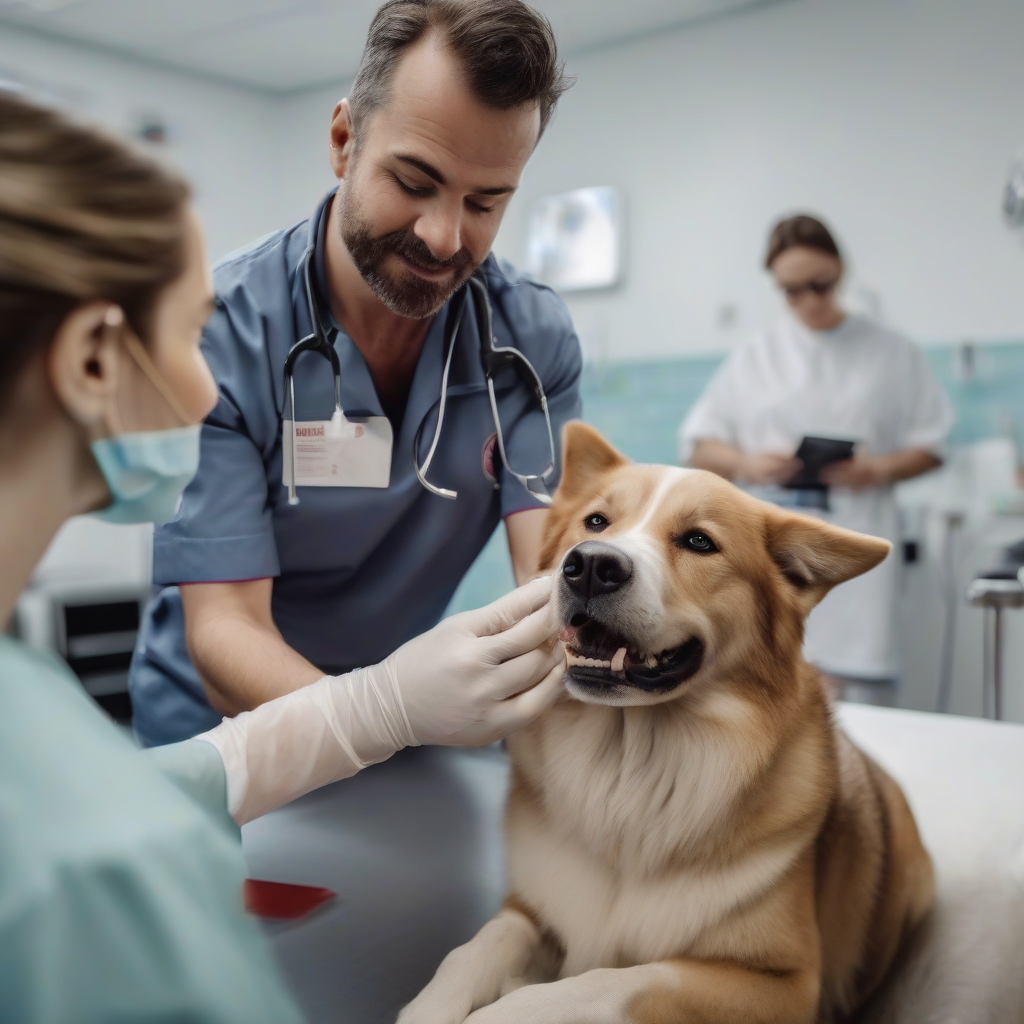
Explore the importance of pet blood and organ donation in 2026, next-gen approaches, and how pet owners can contribute to this life-saving social responsibility. Learn how current veterinary trends and technological advancements can enhance the quality of life for our beloved companions.


Discover the neurobiological signals of hidden stress your newly adopted cat experiences during adaptation to a new social environment. This article reveals 5 insidious signs of your cat's silent struggle and scientific strategies for peaceful, long-term harmony.

Your dog's anal sacs, located beneath the tail, can be hidden alarm bells often overlooked but profoundly affecting their quality of life. In this article, you will discover the 5 insidious neurobiological effects of anal sac problems on the brain and the lifesaving care secrets you need to know for your furry friend to live a peaceful life.
In this article, you will find comprehensive information on the insidious neurotoxic effects of heavy metal poisoning in aquarium fish, its symptoms, and lifesaving emergency intervention codes. This condition, which can arise from household water sources, improper equipment, or neglect, can severely threaten your fish's quality of life and lifespan.
As we step into 2026, advancements in pet healthcare are transforming not only individual treatment methods but also our understanding of social responsibility. One significant step taken to save the lives and improve the quality of life for our beloved companions is the widespread adoption of the concept of blood and organ donation. This plays a vital role not only in emergencies but also in the treatment of chronic illnesses and complex surgical operations. In this article, we will delve into the importance of pet blood and organ donation in 2026, current approaches, and how pet owners can participate in this valuable movement.
Just like humans, pets can require life-saving blood transfusions. Many emergencies, such as traffic accidents, poisonings, major surgeries, anemia, blood clotting disorders, certain types of cancer, or severe trauma, necessitate fresh blood. Furthermore, blood products are critically important in the management of some chronic diseases. Blood donation offers a second chance to our furry friends facing such situations. Veterinarians often turn to blood banks or suitable donors to provide vital support in these cases. These donations play a critical role in our pets' first aid and emergency preparedness processes.
There are specific criteria for pets to be blood donors. These criteria are meticulously determined to ensure both the health of the donor animal and the safety of the blood for the recipient.
All potential donors undergo a comprehensive predictive health analysis and physical examination before donation. These analyses, supported by artificial intelligence systems, can help detect diseases before symptoms appear, thereby ensuring the donor's health status at the highest level.
The blood donation process is safe and generally quick for pets. Before the procedure, veterinarians check the donor animal's overall health and explain the process in detail. During the donation, mild sedation is usually administered to ensure the animal remains comfortable and stress-free. The blood collection typically takes about 10-20 minutes, and the animal is given time to rest afterward. Many animals can return to their normal activities shortly after donating.
In 2026, pet blood banking is becoming increasingly organized and widespread. Dedicated blood banks and units within large veterinary hospitals are establishing blood reserves through regular donor programs, enabling rapid intervention in emergencies. These systems provide significant convenience in determining blood types and quickly supplying compatible blood. This development supports the rise of specialist veterinary care for pets and the accessibility of advanced diagnostic and treatment options.
Unlike human organ donation, pet organ donation is still a developing and somewhat controversial area. While some organ transplants, such as kidney transplants, can be successfully performed in dogs and cats, this is often limited to organs from living donors, especially genetically compatible relatives or shelter animals. Ethical considerations, the cost of the operation, and the complexity of post-transplant care are the main obstacles to the widespread adoption of organ donation.
However, innovative approaches in veterinary science, such as the regenerative medicine revolution and stem cell therapies, could open new doors for repairing organ damage or producing functional tissues in the future. These developments have the potential to reduce the need for organ transplants in pets.
As pet owners, one of the most valuable contributions we can make to our companions' health is to get involved in this conscious movement. Registering your healthy pet as a blood donor can save the life of another pet you've never met. This process also allows for regular monitoring of your pet's overall health. Blood transfusions can be vital for our pets' post-surgical care and rapid recovery strategies after surgery or a serious illness.
In 2026, pet blood and organ donation are gaining increasing importance with advancements in the veterinary field. Blood donation has become an accessible, life-saving method in many emergencies, while organ donation remains a promising area being shaped by ethical and technological developments. As pet owners, being a part of this social responsibility is one of the most valuable steps we can take to improve the quality of life for our own companions and the entire pet community. Raising awareness and supporting potential donors will help us build a healthier and happier future for pets.
