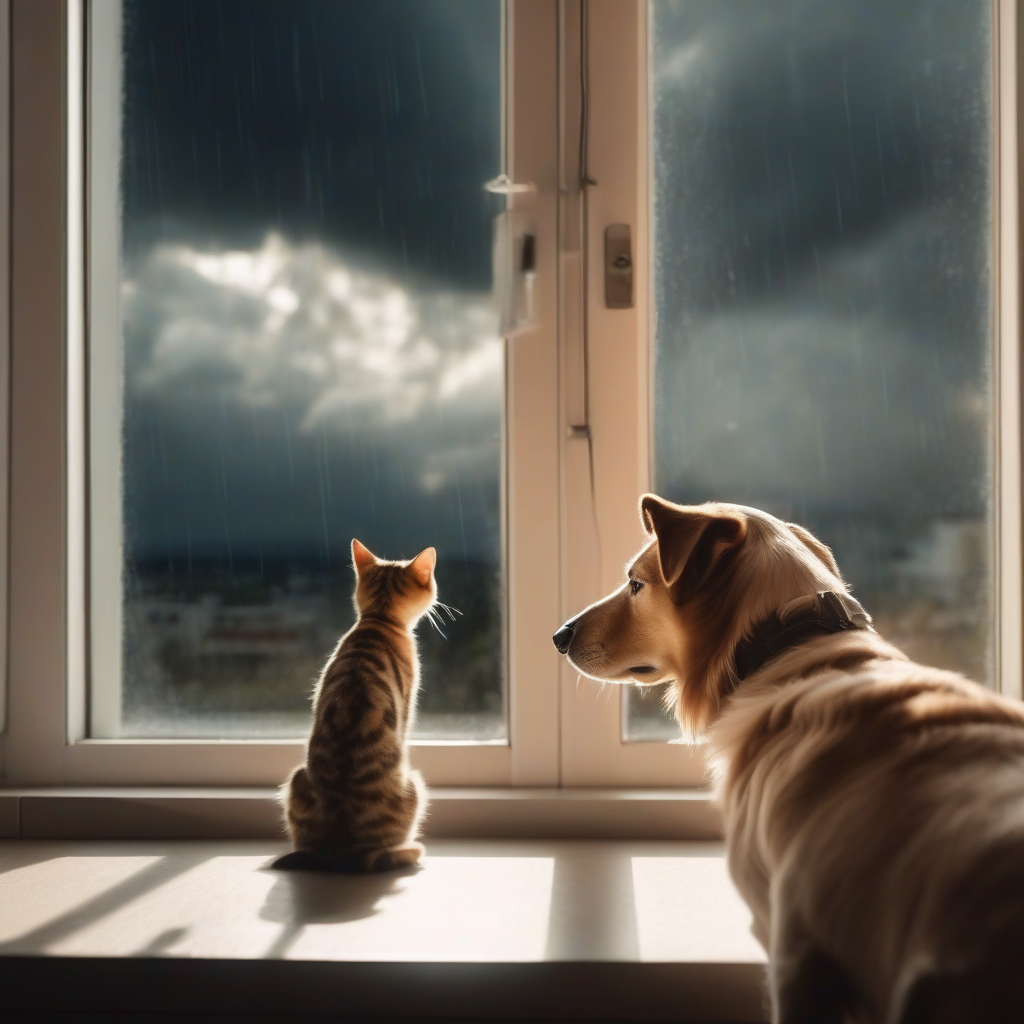
In this article, you will find comprehensive information about the potential health effects of climate change on pets, emerging new risks, and proactive measures owners can take to protect their companions.


Discover the neurobiological signals of hidden stress your newly adopted cat experiences during adaptation to a new social environment. This article reveals 5 insidious signs of your cat's silent struggle and scientific strategies for peaceful, long-term harmony.

Your dog's anal sacs, located beneath the tail, can be hidden alarm bells often overlooked but profoundly affecting their quality of life. In this article, you will discover the 5 insidious neurobiological effects of anal sac problems on the brain and the lifesaving care secrets you need to know for your furry friend to live a peaceful life.
In this article, you will find comprehensive information on the insidious neurotoxic effects of heavy metal poisoning in aquarium fish, its symptoms, and lifesaving emergency intervention codes. This condition, which can arise from household water sources, improper equipment, or neglect, can severely threaten your fish's quality of life and lifespan.
March 2026: Climate Change and Its Impact on Pet Health – A Guide to New Risks and Protective Measures
Global climate change is profoundly affecting our planet's ecosystems, and these changes are closely related to the health of our beloved companion animals. As we reach 2026, climate-related health risks are becoming even more pronounced, making it essential to develop adaptation and proactive protection strategies in veterinary practice. This month at WikiPet, we will delve into the direct and indirect effects of climate change on pet health, the emerging threats, and the measures we can take to protect our cherished friends.
Our pets can be as, or even more, sensitive to changing environmental conditions than we are. Rising temperatures, erratic rainfall, shifting vegetation, and deteriorating air quality directly impact their physical and mental well-being. This guide aims to inform pet owners on this critical issue and provide the necessary knowledge for their pets to live healthier lives in 2026 and beyond.
Some of the most visible effects of climate change on pets are directly linked to weather events and temperature fluctuations.
With increasing global average temperatures, summer months are becoming longer and more oppressive, and even spring can bring unexpected heatwaves. Especially species less tolerant to heat, like dogs, face a higher risk of heatstroke and dehydration. Cats can also show similar symptoms when exposed to high temperatures. High humidity further exacerbates this risk. Access to water sources, shaded areas, and timing of outdoor activities are vital for pets.
Severe weather events such as floods, storms, droughts, and wildfires are becoming more frequent and destructive due to climate change. This not only threatens the physical safety of pets but can also lead to stress and anxiety. Lost animals, those displaced from their homes, and injured pets are sadly some of the most tragic outcomes of these events. It is crucial for pet owners to develop an emergency preparedness plan for natural disasters.
The effects of climate change on pet health are not limited to direct weather conditions; changes in ecosystems also bring new and unexpected health problems.
Rising temperatures and altered precipitation patterns are changing the habitats and breeding cycles of disease-carrying vectors such as ticks, mosquitoes, and fleas. This is leading to an expansion of the distribution areas for parasite-borne diseases like Lyme disease, heartworm, and Ehrlichiosis, which were previously confined to specific geographies. Updating and continuously reviewing regional and seasonal parasite control programs for pets is of paramount importance.
Extended pollen seasons and shifting vegetation can lead to an increase in allergic reactions in pets. Environmental allergies can cause various health problems, from skin irritation to respiratory issues. Veterinarians are developing early diagnosis and management strategies against these new allergen profiles using predictive health analytics methods.
Severe weather events can lead to contamination of water sources or disruption of food supply chains. Contaminated drinking water or food can cause gastrointestinal upset and various infections in pets. It is essential to be vigilant against such risks and ensure safe water and food sources.
Degradation of natural habitats can cause wild animal populations to move closer to urban areas. This increases the risk of encounters between pets and wildlife, potentially leading to stress and territorial conflicts. Additionally, the stress experienced by owners can indirectly affect their pets.
In the face of these new challenges brought by climate change, as pet owners, we must take proactive steps rather than remain passive.
Regular veterinary visits are fundamental to protecting our pets against new health risks emerging with climate change. Your veterinarian can update vaccination schedules, parasite control, and preventive treatments based on the current risk profiles in your region. You can get specific advice to boost your pet's immune system and prepare them for seasonal risks.
Make your pet's living environment safer against rising temperatures and other adverse weather conditions. Provide cooling solutions indoors (fans, air conditioners), sufficient shaded outdoor areas, and easy access to fresh water. Prepare a disaster kit for emergencies.
Pay special attention to your pet's water intake during hot weather and periods of increased activity. Electrolyte supplements or specially formulated wet foods can support hydration. Nutritional needs may also be adjusted according to changing lifestyles.
Preparing an emergency plan for natural disasters or unexpected weather events is a critical part of ensuring your pet's safety. This plan should include your pet's identification details, vaccination records, medications, sufficient water and food supplies, and a carrier. Identify evacuation routes and pet-friendly shelters in advance.
Combating climate change is everyone's responsibility. Adopting more sustainable living practices, reducing our carbon footprint, and raising community awareness will protect our pets' health in the long run. Collaborating with veterinarians and animal welfare organizations to spread awareness on this issue is important.
Conclusion
In 2026 and beyond, protecting our pets' health requires understanding the challenges posed by climate change and proactively adapting to them. By following scientific data, working closely with our veterinarians, and adopting responsible pet ownership practices, we can ensure our beloved companions live healthy, happy, and safe lives in a changing world.
