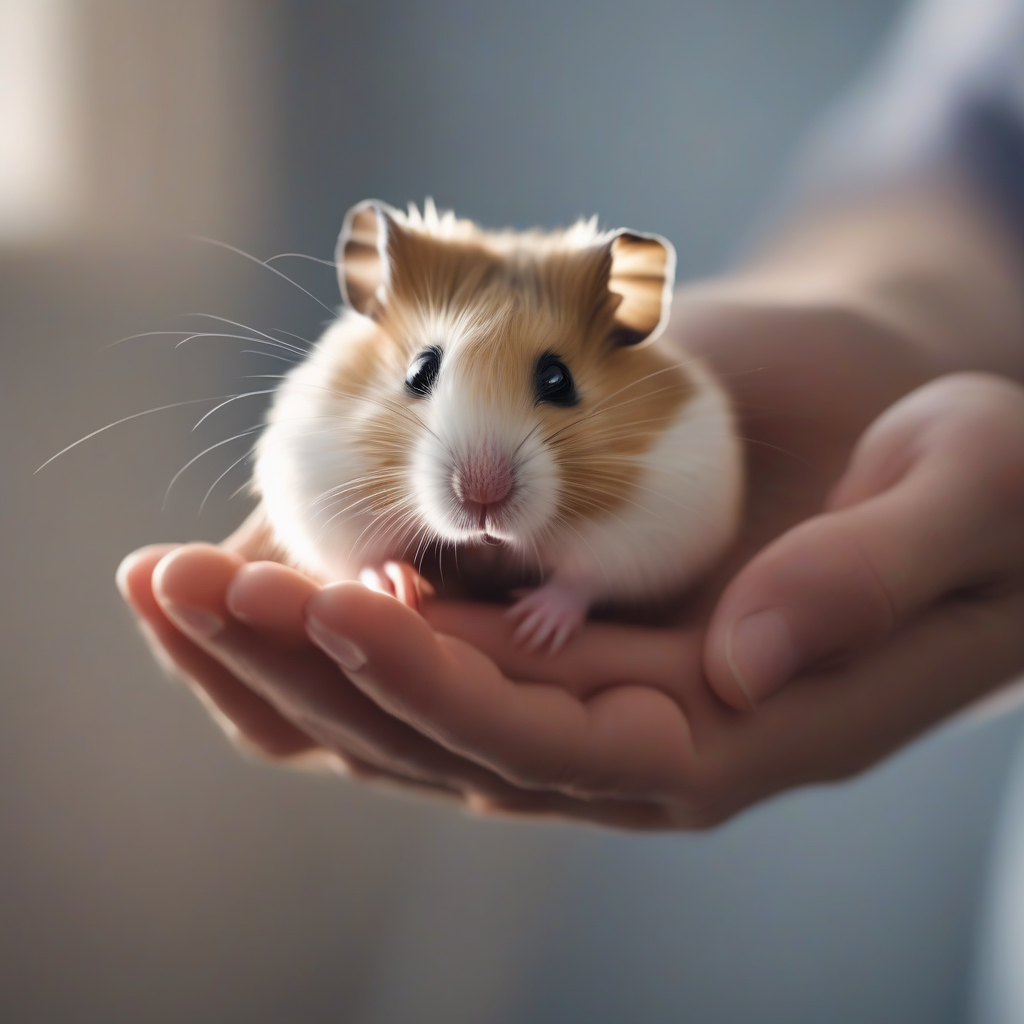
In this article, you will find detailed information on 5 critical neurophysiological signs of hidden internal bleeding that can result from unnoticed trauma in your hamster, along with lifesaving emergency intervention codes.


While cats possess a surprising ability to adapt to high-rise fall traumas, the insidious neurophysiological effects on their brain carry vital risks. In this article, we reveal 5 critical neurobiological effects your cat may experience after a fall and the lifesaving emergency intervention codes with scientific secrets.

In this article, you will discover how your rabbit copes with unexpected situations and its neurocognitive responses to non-routine events. Learn scientific secrets to enhance mental flexibility and manage stress.

In this article, you will find comprehensive information on the insidious neurophysiological effects of seizures in cats' brains and lifesaving emergency intervention codes during a seizure.
Your tiny hamster companions, by their very nature, tend to hide their vulnerabilities. This poses a significant challenge for owners, especially when dealing with insidious and life-threatening conditions like internal bleeding. An unnoticed fall, a squeeze, or another trauma can lead to internal hemorrhages silently progressing within your hamster's body. These bleeds can profoundly affect brain oxygenation, organ functions, and overall neurophysiological balance, leading to irreversible damage. In this article, we will delve into 5 critical neurophysiological signs of internal bleeding in your hamster and the lifesaving scientific intervention codes for these emergencies.
Hamsters' small and delicate structures make them particularly vulnerable to trauma. Incidents such as falls from height, cage accidents, or accidental stepping on them can cause severe internal organ damage and bleeding, even if no obvious external wound is visible. Internal bleeding triggers a chain reaction that disrupts the body's normal physiological processes:
Since hamsters are masters at concealing their pain, it is vital for owners to be vigilant and aware of the following insidious signs:
If your hamster is not using its wheel, exploring, or playing as it normally would, this is a serious warning sign. Reduced blood volume due to internal bleeding prevents sufficient oxygen and energy from reaching the brain. This manifests as general sluggishness, unwillingness to move (lethargy), and a significant decrease in mental alertness. As the brain's motor cortices and energy metabolism are affected, there is a noticeable restriction in the hamster's behavioral repertoire. These symptoms indicate that any deviation from the routine, as highlighted in Your Hamster's 'Routine Brain': 5 Neurocognitive Secrets of Consistent Training Programs and Keys to Rapid Learning!, could actually be a harbinger of a neurocognitive collapse.
The mucous membranes, such as the gums, inner ears, or mouth, which should normally be pink, turning pale, white, or even bluish, is one of the most prominent physical signs of internal bleeding. Paleness indicates anemia caused by reduced red blood cells due to blood loss. Bluish discoloration (cyanosis), on the other hand, indicates that the body's tissues are not receiving enough oxygen. This suggests that the brain's oxygenation level is critically low, and hypoxia-related neural damage may have begun. This is a visual testament to how an acute circulatory disorder directly impacts brain functions.
Internal bleeding increases the body's oxygen demand while decreasing its blood-carrying capacity. This imbalance causes the hamster to increase its breathing rate and depth (tachypnea) or exhibit irregular and difficult breathing (dyspnea). Pain and shock can also stimulate the respiratory center, leading to these symptoms. The brain attempts to compensate for the body's oxygen deficit by adjusting the breathing rhythm and depth, but in cases of insufficiency, irregularities arise with a panic response.
Severe internal bleeding can cause a rapid drop in body temperature (hypothermia). Blood plays a crucial role in regulating body heat, and blood loss disrupts this mechanism. If you notice your hamster is cold to the touch, this could be a sign of serious internal bleeding or shock. The brain's thermoregulation center cannot fully perform its function in this situation, indicating a general systemic collapse. Similarly, as stated in Your Hamster's 'Silent Freezing Alarm': 5 Insidious Neurobiological Collapses in the Brain During Acute Hypothermia and Lifesaving Emergency Intervention Secrets!, sudden and uncontrolled drops in body temperature are life-threatening.
If your hamster suddenly reacts with pain when its abdomen or a specific body part is touched, tenses up, squeaks, or tries to bite, it is a strong indication of internal pain. Inflammation and pressure in the internal bleeding area stimulate nerve endings, leading to severe discomfort. The hamster, instead of concealing this pain, displays an immediate protective or defensive reaction. Hiding, remaining motionless in its nest, or becoming aggressive can also be pain-related behavioral changes. The brain interprets these pain signals and activates survival mechanisms. Such pain symptoms can be similar to those seen after physical trauma, as discussed in Your Hamster's 'Fractured Bone Whispers': 5 Neurobiological Signs of Hidden Pain in Their Tiny Body and Lifesaving Emergency Intervention Secrets!.
Every second counts when internal bleeding is suspected. A quick and correct response can save your hamster's life:
The best treatment is prevention. You can minimize the risk of internal bleeding by making your hamster's living space safe:
Suspicion of internal bleeding in your hamster is a serious condition that should never be ignored. Our tiny friends' tendency to hide their pain increases the responsibility on owners. Recognizing the neurophysiological signs discussed in this article and knowing the emergency intervention codes can be life-saving. Remember, even with the slightest doubt, seeking veterinary attention without delay is the most appropriate step for your hamster's health and well-being.
