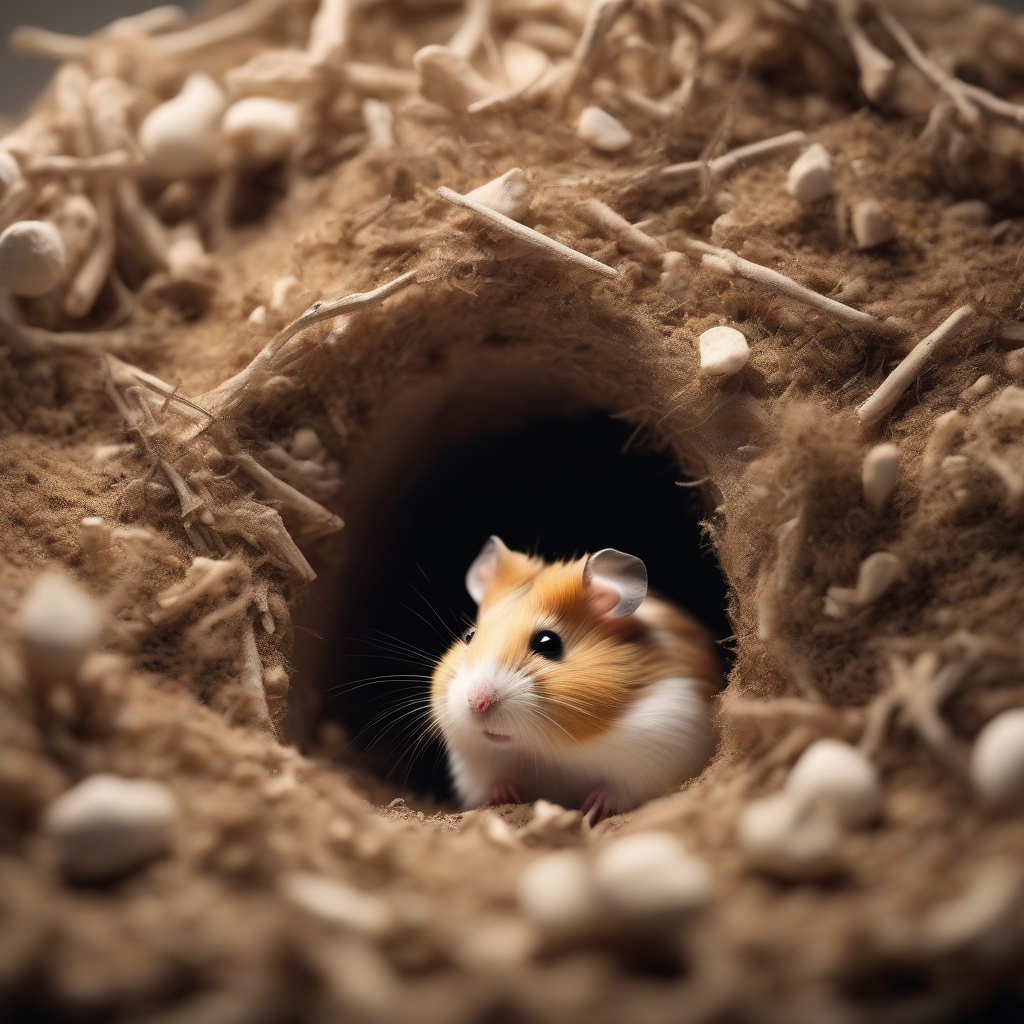
In this article, you will discover the hidden sensory world hamsters experience through scents and vibrations, and how these perceptions deeply influence their psychology and behaviors. Using this knowledge, you will learn scientific secrets to create a richer and stress-free environment for your small companion.


In this article, you will discover the 5 insidious neurobiological effects of the Encephalitozoon Cuniculi parasite, which is often overlooked in rabbits but severely affects the brain, along with lifesaving early diagnosis methods.

In this article, we will deeply explore the insidious neurobiological effects of gut microbiome imbalance (dysbiosis) on your rabbit's brain health and provide scientific-based solutions to maintain mental vitality.

In this article, you can find comprehensive information on how pancreatitis in dogs not only affects the digestive system but also insidiously impacts the brain, its neuroinflammatory mechanisms, and lifesaving emergency intervention strategies.
Our pet hamsters experience our world in a profoundly different way than we do through our eyes. Their reality is woven with silent scents we miss and microscopic vibrations we don't feel. This 'hidden sensory universe' shapes everything from their survival strategies to social interactions, foraging behaviors to stress responses. As veterinary content strategists, this deep understanding is key to enhancing the well-being of our beloved pets.
For hamsters, scent is far more than just a sense; it's a map, a communication protocol, and even an identity card. Thanks to their advanced olfactory capabilities, they can detect even the subtlest odors in their environment. This is vital for navigating underground tunnels or in low-light conditions, finding food, and identifying potential dangers.
Hamsters, particularly males, mark their territory by scenting their surroundings with pheromones. These odors, secreted from their flank glands, transmit the message 'this is my territory' to other hamsters. These pheromones also carry information about sexual maturity and reproductive status, playing a critical role in mate selection and social interactions. Introducing a different hamster into the cage or frequently changing its location can disrupt this olfactory map, leading to stress. This is a scientific secret underlying misunderstood behaviors after adoption, and understanding olfactory cues is crucial in the art of building trust with your hamster. For more information, you can refer to our article: Your Hamster's 'Silent Screams': Scientific Secrets of Misunderstood Behaviors After Adoption and the Art of Building Trust!.
Hamsters' foraging behaviors are entirely scent-driven. They use their noses to locate stored food, differentiate fresh food sources, and even avoid potentially toxic items. Even food carried in a hamster's cheek pouches can be marked with its own scent for easy retrieval later. Therefore, the cleanliness and olfactory integrity of food storage areas are important for a hamster's well-being. Dirty or mixed scents can reduce foraging motivation.
Hamsters also react to human scents. Unfamiliar, strong, or foreign odors (perfume, soap, cigarette smoke) can be a source of stress. During the trust-building process, a hamster's habituation to the owner's calm and consistent scent strengthens the bond with humans. In this context, the tips in the article Your Hamster's 'Invisible Resistance': Scientific Methods to Build Trust and Reduce Stress During Handling! show that the olfactory environment also plays a role.
Hamsters perceive their surroundings not only through scents but also through vibrations in the ground and air. This plays a vital role, especially in the predator-prey relationship in nature. Ground vibrations provide early warning of an approaching predator, allowing the hamster to escape or hide.
Hamsters can feel even the slightest vibrations in the ground through their paws or entire bodies. This alerts them to potential dangers and triggers their innate 'freeze' or 'flight' responses. Therefore, constantly placing their cage on noisy or vibrating surfaces can lead to chronic stress. This issue is also addressed in our article on Your Hamster's Hidden Stress Points: Insidious Home Dangers and the Science of Creating a Safe Haven!.
In a home environment, elements like washing machines, speakers, heavy footsteps, or even children playing can be constant sources of vibration for a hamster. Placing the hamster's cage on a quiet, stable surface and away from such vibration sources in the home increases their sense of security and reduces stress. Additionally, the insulation provided by tunnel systems is important for hamsters to feel safe. Our article Your Hamster's Underground Masterpiece: The Hidden Psychological Power of Tunnel Systems and Scientific Secrets to Boosting Well-being! delves into this topic in more detail.
Understanding your hamster's sensory universe is crucial for providing them with a richer and healthier living space. Sensory enrichment prevents boredom, encourages natural behaviors, and improves overall well-being.
You can stimulate your hamster's sense of smell by adding safe, natural scents to their cage (e.g., natural odors from unscented dried herbs, wood shavings, soil, or fresh vegetables). Offering bedding materials of different textures or chew toys also encourages scent exploration. However, it is essential to avoid synthetic fragrances or excessively dusty materials that could cause allergic reactions or respiratory irritation. The suggestions in the article Your Hamster's Hidden Architect: The Psychological Power of Habitat Arrangement and Scientific Secrets to Boosting Well-being will guide you in this regard.
Place the cage away from sources of vibration in the home. Choosing a cage with a high-quality, sturdy base or placing an anti-vibration mat under the cage can be beneficial. Deep bedding material and tunnel systems create a 'safe haven' that makes the hamster feel secure and insulates them from external vibrations. This mimics their natural underground burrows and contributes to their inner peace.
Understanding your hamster's 'hidden sensory universe' allows you to build a deeper bond with them and better shape their world. Knowing how scents and vibrations affect their behavior and psychology is the first step in helping them live a less stressful, richer, and happier life. By applying this scientific knowledge, you can maximize your little friend's well-being.
