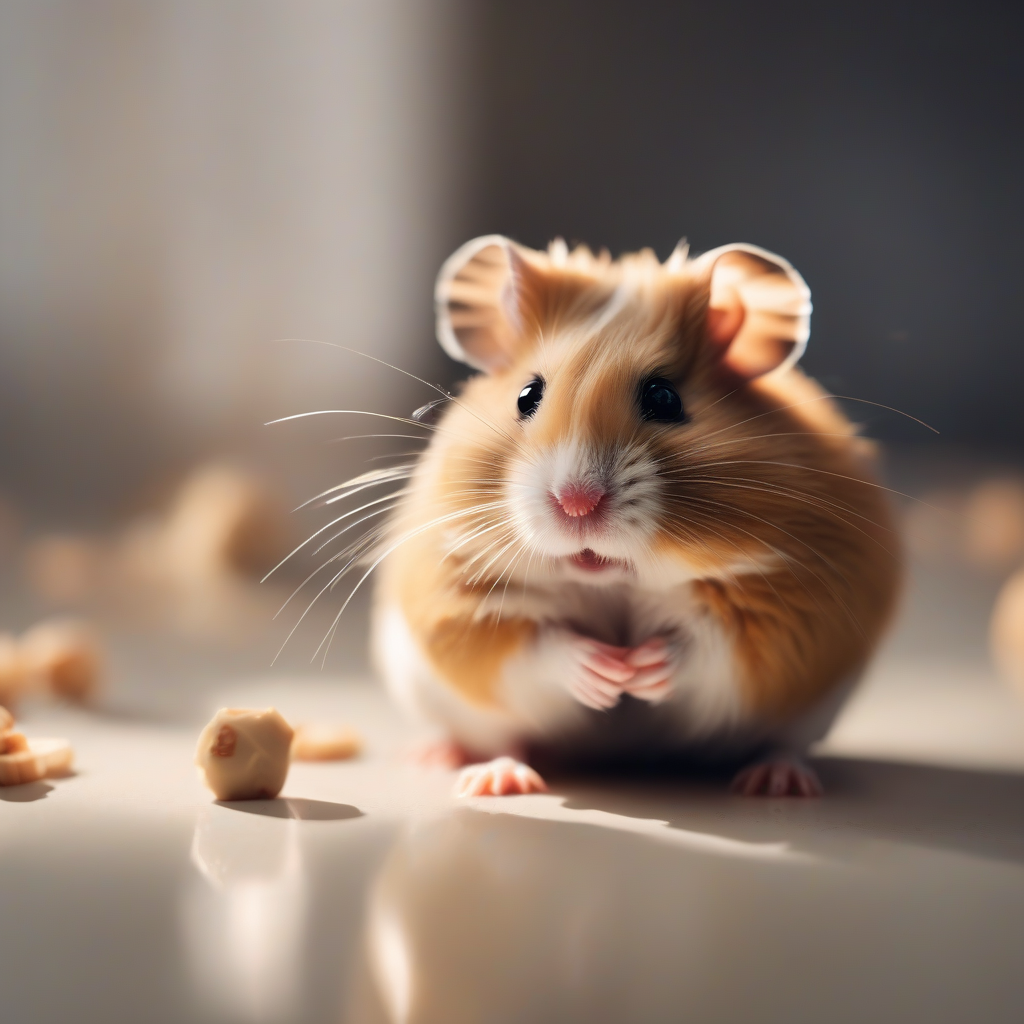
Discover 5 innovative neurocognitive training strategies you can apply at home to support your hamster's mental development and keep them active. Learn how to stimulate their problem-solving abilities with in-cage puzzles.

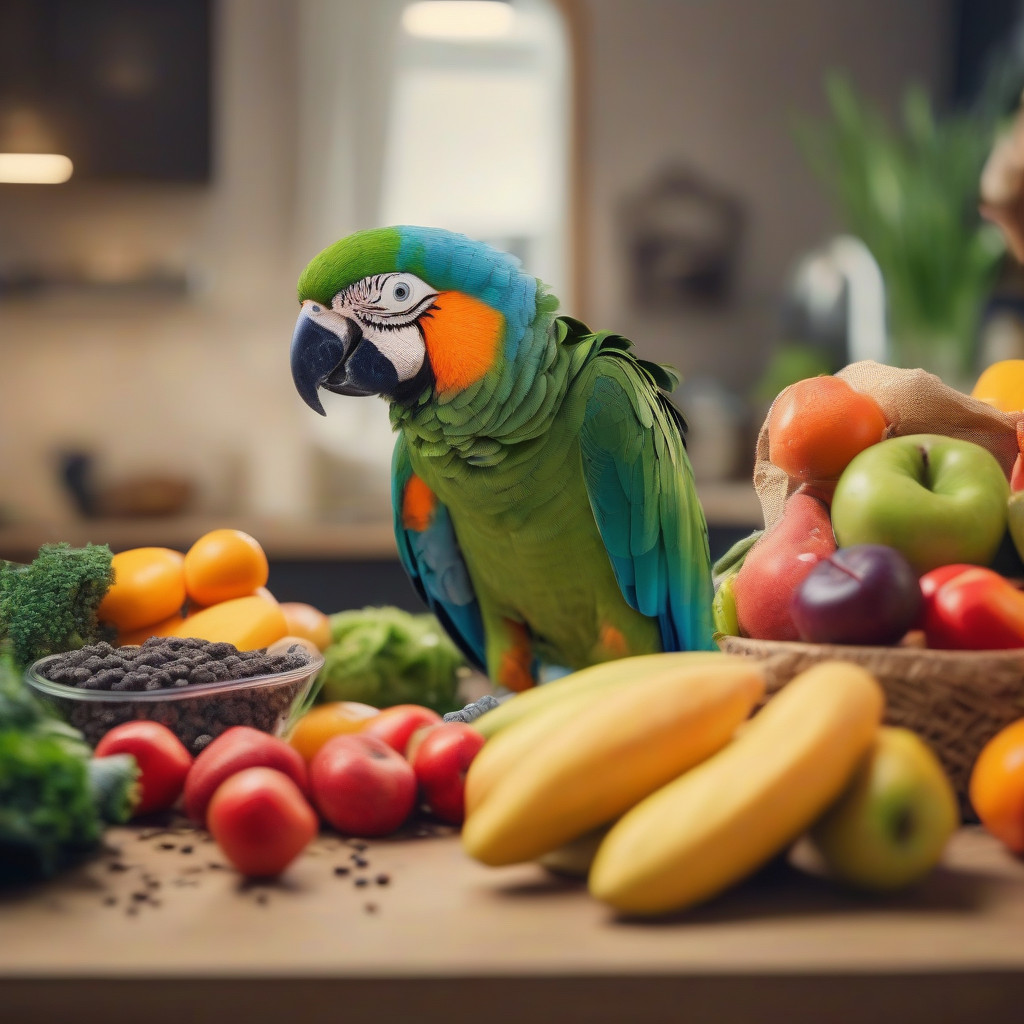
In this article, you will find comprehensive information about the insidious neurobiological effects of artificial colorings, preservatives, and flavors found in commercial bird feeds on your bird's brain health and mental vitality. We explore scientific nutritional secrets to combat these hidden dangers, shedding light on a wide spectrum of effects from behavioral changes to cognitive decline.

In this article, you can discover the scientific secrets to understanding your cat's undesirable habits, deciphering the neurocognitive mechanisms in their brain, and establishing lasting new routines.

Discover the types of burns your dog can suffer, the 5 insidious neurophysiological effects these burns create in the brain and body, and lifesaving emergency intervention strategies in this comprehensive guide. We shed light on the dangers behind forgotten household accidents from a scientific perspective.
Hamsters, despite their small size, possess surprising intelligence and learning capacity. Supporting their mental development not only ensures they are happier and more balanced but also strengthens your bond. In this article, we will explore 5 innovative neurocognitive training strategies that will unlock your hamster's hidden problem-solving intelligence and keep them mentally active.
In their natural habitats, hamsters are constantly interacting with their environment to find food, build nests, and evade predators. In a cage environment, this natural behavioral repertoire can be restricted. Hamsters that do not receive adequate mental stimulation may exhibit boredom, stress, and unwanted behaviors. Engaging their brains makes them more active, curious, and generally healthier.
One of the strongest instincts in hamsters is their drive to forage and store food. By leveraging this instinct, we can create simple yet effective mental challenges. Hide a few favorite seeds or small treat pieces inside a small, hamster-safe box (e.g., a cardboard box with a few holes poked in it).
This method also encourages your hamster to utilize its food preferences in a natural way, as discussed in [Your Hamster's Hidden 'Taste Preference Locks': Neurobiological Secrets of Food Selection and 5 Scientific Strategies for Optimal Digestion].
By cutting and joining toilet paper or paper towel rolls, or simply arranging them within a cage, you can create small mazes. Placing occasional reward treats inside these mazes will encourage your hamster to navigate through them.
This is directly related to [Hamster Cage's Secret 'Architectural Genius': 5 Neurobiological Traps for Zero Stress and Scientific Design Codes!], as in-cage arrangements affect cognitive functions.
Hamsters naturally love to burrow and navigate through tight spaces. Providing tunnels (made of safe materials) of different sizes and shapes, and platforms at varying heights, helps them develop their exploration and balancing skills. You can add ramps or steps to access higher platforms.
This strategy parallels the information under [Your Hamster's 'Secret Earth Architecture': The Neurobiological Importance of Burrow Depth and Behavioral Welfare Secrets!], as mimicking natural behaviors supports cognitive development.
Some hamsters enjoy pushing, moving, or displacing toy blocks or balls. Providing simple, safe, and appropriately sized removable blocks or balls that your hamster cannot ingest can encourage this behavior.
This is a way to put into practice the insights from [Your Hamster's 'Hidden Object Perception': 5 Neurocognitive Secrets of Object Recognition Training and Mental Development Strategies!].
You can exercise your hamster's sense of smell and memory by presenting various (safe) scents and asking them to interact with these scents (e.g., exploring a scented cloth piece). Start with familiar scents and gradually introduce less familiar ones.
These exercises highlight the importance of the sense of smell, as seen under the title [Your Cat's 'Secret Scent Labyrinths': 5 Neurobiological Effects of Invisible Pheromone Signals in the Home Environment and Scientific Design Secrets to Triggering Calmness!].
Supporting your hamster's mental well-being and happiness can significantly enhance their quality of life. The 5 neurocognitive training strategies outlined above will help your hamster develop problem-solving skills and explore their environment more consciously, offering both fun and educational activities. Remember that every hamster is unique, and with patience, consistency, and love, the bond you share will only grow stronger. These types of mental activities also play a crucial role in combating [Your Hamster's Hidden Anxiety Mechanisms: 5 Neurobiological Traps Triggering Stress and Scientific Calming Secrets!].
