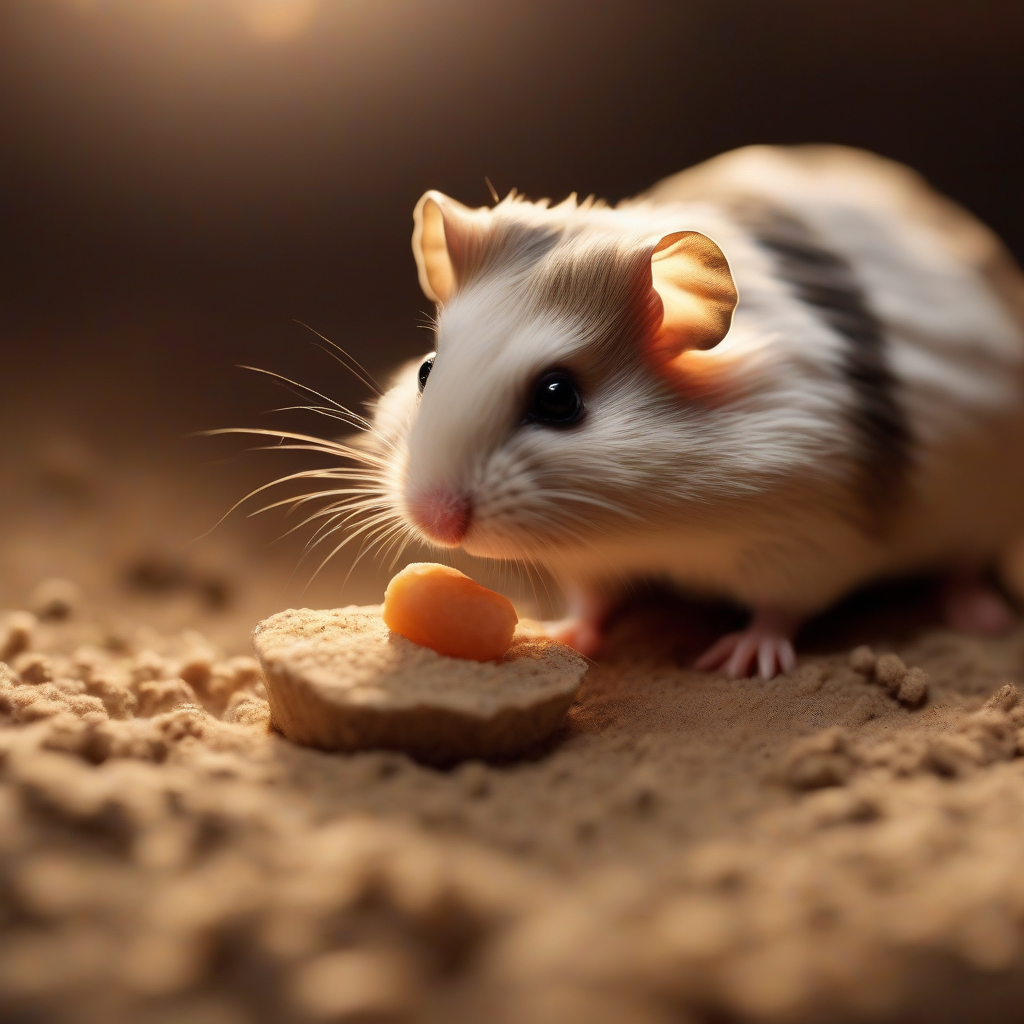
Building a deep bond with your newly adopted hamster requires not just patience, but also an understanding of its unique neurobiology. In this article, you will discover the scientific key points to build trust and attachment from the first contact.


Discover the types of burns your dog can suffer, the 5 insidious neurophysiological effects these burns create in the brain and body, and lifesaving emergency intervention strategies in this comprehensive guide. We shed light on the dangers behind forgotten household accidents from a scientific perspective.

Discover the neurobiological signals of hidden stress your newly adopted cat experiences during adaptation to a new social environment. This article reveals 5 insidious signs of your cat's silent struggle and scientific strategies for peaceful, long-term harmony.

Your dog's anal sacs, located beneath the tail, can be hidden alarm bells often overlooked but profoundly affecting their quality of life. In this article, you will discover the 5 insidious neurobiological effects of anal sac problems on the brain and the lifesaving care secrets you need to know for your furry friend to live a peaceful life.
Adopting a new hamster is an exciting new beginning for both you and your tiny companion. However, the delicate neurobiological structures of these miniature creatures demand special attention during the initial contact and adaptation process. Hamsters, being prey animals by nature, exhibit a natural caution towards new environments and human interaction. In this article, we will delve into 5 critical neurobiological key points and scientific strategies you need to know to establish a secure and deep bond with your hamster after adoption.
The first moments a hamster arrives in its new home directly impact its stress responses and environmental perception in the brain. Experiences formed during this period lay the foundation for the animal's future behavioral patterns and its relationship with humans.
For hamsters, scent is the primary map of their world. The first things they perceive in a new environment are the smells of cage materials, food, and, of course, your scent. While alarm pheromones can instantly raise stress levels, familiar and safe scents can help release bonding hormones like oxytocin. In the first few weeks, placing a clean piece of a T-shirt with your scent in the cage (ensuring the hamster won't chew it) or gently rubbing your hand on a familiar object before approaching your hamster can create a positive association in its neural system. Minimizing other scents in the environment (perfume, detergent, etc.) prevents confusing the hamster's olfactory perception and reduces stress. This highlights the importance of environmental sensory stimuli, as noted in the article Your Hamster's Secret 'Calm Chemistry': Neurobiological Effects of Nesting Materials and Scientific Secrets of Behavioral Balance!.
Hamsters can react to sudden and unexpected touches with a high release of cortisol (stress hormone). This is part of their survival mechanism. Slow, predictable, and gentle approaches are essential during initial contacts. Waiting for your hamster to come to you grants it the freedom to venture out of its safe zone on its own terms. By gently placing your hand inside the cage and waiting silently, you allow it to become accustomed to your presence. Initial touches should be combined with gentle stroking or the offering of a treat. This neutralizes the negative reaction in the brain and creates a positive association. For hamsters showing signs of excessive anxiety, the article Your Hamster's Hidden 'Calm Buttons': Decode Anxiety Triggers and Discover the Scientific Secrets of Behavioral Balance! offers additional insights.
The hamster brain exhibits a high degree of neuroplasticity, meaning it's open to new experiences and learning. This implies that even past negative experiences can be overcome with the right strategies.
Positive reinforcement is the most effective scientific way to bond with your hamster. Encouraging desired behaviors (coming to your hand, climbing on you) using small rewards (a favorite seed or vegetable piece) triggers dopamine release in the brain. Dopamine is a neurotransmitter associated with reward and motivation, encouraging the repetition of such experiences. Regular and consistent positive reinforcement creates strong, positive neural pathways in your hamster's brain related to your presence and interaction. This is also linked to their problem-solving abilities, as mental activity and reward mechanisms are interconnected, as stated in the article Your Hamster's Secret 'Problem-Solving Intelligence': 5 Neurocognitive Strategies to Trigger Mental Development with In-Cage Puzzles!.
Hamsters have the ability to process high-frequency sounds. Sudden and loud noises trigger their fear response, while gentle, calm, and low tones can have a cortisol-reducing effect. Using a whispering, low, and monotonous tone when talking to them creates a sense of a safe environment in their brains. This sends a neural signal that your presence is a source of comfort, not a threat.
Regular, positive interactions foster a long-term bond between you and your hamster. At the core of this bond is oxytocin, a neuropeptide associated with social attachment and trust.
Hamsters are creatures of habit. Regular feeding times, cage cleaning, and interaction times create a sense of predictability and security in their brains. This predictability contributes to the balanced release of neurotransmitters like serotonin and GABA, which reduce anxiety and decrease activity in stress-related brain regions. Consistent routines help your hamster to code its interaction with you as a safe and positive event.
In their natural habitat, hamsters build tunnels and burrows to create safe spaces for themselves. Having similar micro-spaces within the cage strengthens their sense of control. This feeling of control prevents the over-activation of fear centers in the brain, such as the amygdala. Providing hideouts, tunnels, and sufficient Your Hamster's Hidden 'Burrow Architecture' Terror: 5 Insidious Neurobiological Triggers of Insufficient Digging Space and Behavioral Welfare Secrets! reduces their stress and allows them to interact more comfortably with the world around them. These safe spaces can also serve as a starting point for their interactions with you.
Some adopted hamsters may have experienced traumatic events in the past. These situations can leave lasting neural traces in their brains, making them more timid or fearful.
Patience is key when working with a hamster that has experienced trauma. Neuroplasticity is the brain's ability to form new connections and alter old, negative pathways. Consistent, positive, and predictable interactions can, over time, help these negative neural pathways weaken and be replaced by more positive ones. This process can be slow, but every positive interaction strengthens the neural pathways that reduce fear responses and increase trust in the brain. The potential for neural recovery is high even after physical traumas like those described in Your Hamster's Invisible Brain Trauma: 5 Insidious Neurological Signs After a Sudden Fall and Lifesaving Emergency Intervention Protocols!, and this principle also applies to psychological traumas.
Building a deep bond with your hamster comes from understanding their complex inner world. The patience, consistency, and science-based approaches you demonstrate from the very first contact will allow you to encode trust and affection in their brain. Remember, every hamster experiences an individual learning journey, and with your loving guidance, your tiny friend can reach its full potential and forge a lifelong friendship with you.
