
In this article, you will discover 5 hidden neurobiological triggers based on the mechanisms of your fish, enabling unexpected success in their aquarium training processes. From dopaminergic reward pathways to stress, find all the details.


In this article, you will discover the little-known but profound effects of the acoustic environment in rabbit living spaces on their brain health and general well-being, exploring the neurobiological consequences of both sound deprivation and overstimulation, and scientific secrets to creating a peaceful environment. Understand and optimize your rabbit's world with expert tips.
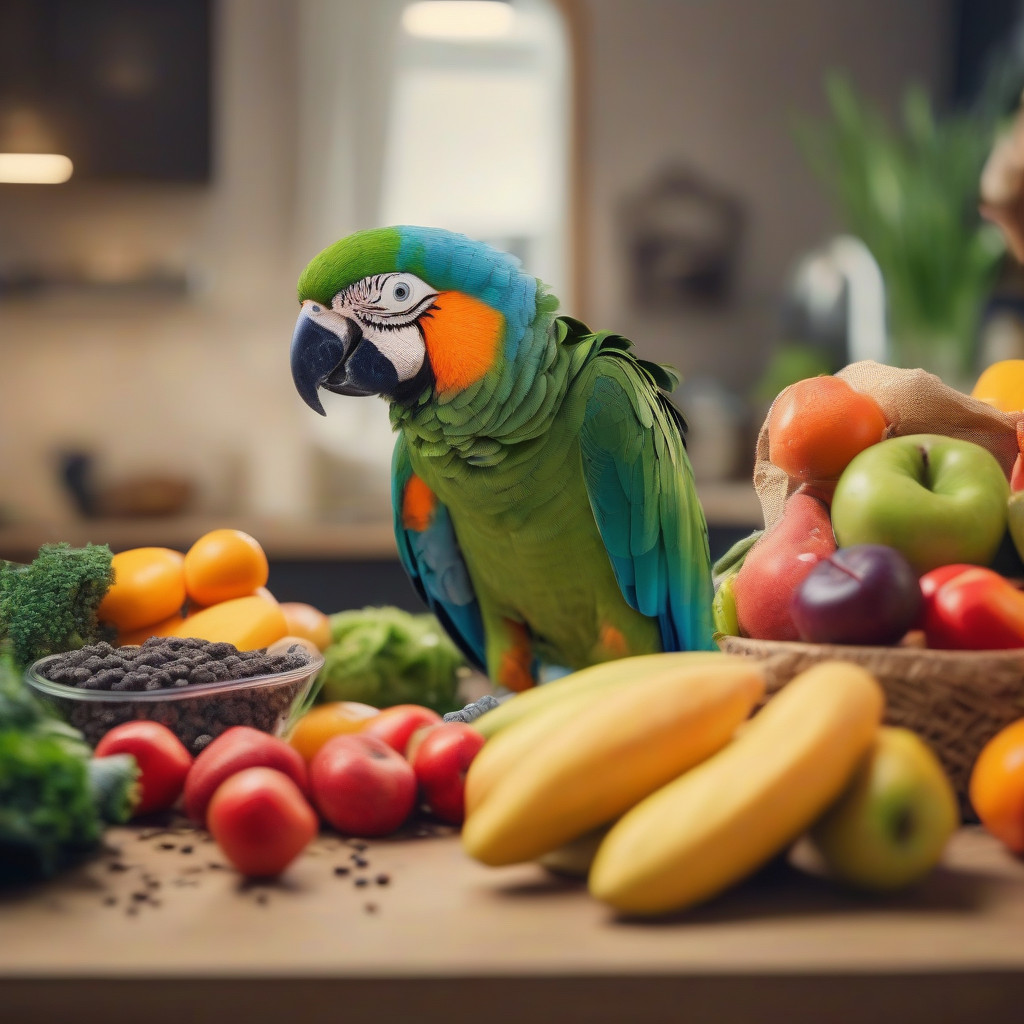
In this article, you will find comprehensive information about the insidious neurobiological effects of artificial colorings, preservatives, and flavors found in commercial bird feeds on your bird's brain health and mental vitality. We explore scientific nutritional secrets to combat these hidden dangers, shedding light on a wide spectrum of effects from behavioral changes to cognitive decline.

In this article, you can discover the scientific secrets to understanding your cat's undesirable habits, deciphering the neurocognitive mechanisms in their brain, and establishing lasting new routines.
The aquarium hobby has been a fascinating, calming, and aesthetic pursuit for centuries. But did you know that fish are not just passive objects of observation, but actually possess a surprising capacity for learning? The term "fish training" might sound strange at first, but thanks to modern neurobiology, we now know that it's possible to shape fish behavior using positive reinforcement methods, and even teach them complex commands. This is not only a fun activity but also significantly improves your fish's overall well-being by increasing their mental stimulation.
In this article, we will explore 5 hidden neurobiological triggers that will enable your fish to achieve unexpected success in their aquarium training processes. These secrets will help you build a deeper bond with your fish and fully unlock their learning potential.
Just like in mammals, fish brains also have "reward pathways." These pathways, especially when activated by the neurotransmitter dopamine, create a pleasurable experience that increases the likelihood of a behavior being repeated. When a fish associates a specific action (e.g., swimming through a hoop or touching a target) with a reward (usually food), dopamine levels in its brain rise. This chemical surge provides a powerful motivation for the fish to repeat that behavior in the future.
During training, you can trigger this dopaminergic cycle by offering a small, enticing reward immediately after your fish exhibits the correct behavior. This instantaneous reinforcement ensures a clear and strong connection is established between the behavior and the reward in the fish's mind. In this way, your fish finds the neurobiological answer to "what do I do to get a reward?" and the learning process accelerates. Learning more about the secret neurochemistry of fish food can help you choose the right reward.
Fish perceive subtle changes in their environment with surprising sensitivity and possess the ability to associate these perceptions with future events. This "anticipatory learning" comes into play when they learn that a specific cue (a finger movement, a change in light, a gentle tap) signals an impending reward or outcome. Their brains process these cues, form a "prediction," and update their learning processes with the subsequent reward or punishment.
In training, it is crucial to use a consistent "cue" just before delivering the reward. This cue can be a simple visual or tactile stimulus that captures your fish's attention without stressing it. Over time, the fish will associate this cue with the reward and begin to anticipate the reward when the cue is presented. This state of anticipation alone increases the fish's willingness to learn and focus.
While not as complex as mammalian brains, fish brains exhibit neuroplasticity—the ability to learn and form new connections throughout life. This means fish can make changes in their brain structures and functions in response to new experiences and environmental stimuli. Consistent and regular training strengthens synaptic connections in the fish's brain, making new behavioral patterns permanent.
To support this neuroplasticity, it's essential to keep training sessions short, frequent, and positive. Overly strenuous or stressful sessions can negatively impact neuroplasticity. Your fish's attention span is usually short; therefore, intense 5-10 minute sessions will be more effective than long, unproductive ones. Insights into your fish's secret memory tunnels can help you better understand how to utilize this flexibility.
Fish perceive the world very differently from us. They interpret their environment by simultaneously using many different sensors, such as visual, auditory, olfactory, and lateral line senses. Integrating several of these senses during training can make the learning process richer and more effective. For example, combining a specific visual cue (a finger movement) with a particular tactile stimulus (a slight current change) or even a very subtle chemical signal (the scent of a specific food) creates a stronger, multi-dimensional memory in the fish's brain.
This multi-modal stimulation allows the fish to receive information from different sensory channels and process them as a whole. This ensures that the learned behavior is more robust and applicable in various situations. Understanding your aquarium's secret silent communication network and visual labyrinths can inspire you on how to design this integration.
Stress severely negatively impacts any creature's ability to learn, and fish are no exception. High stress levels lead to an increase in stress hormones like cortisol in the fish's brain. These hormones can suppress the function of brain regions involved in learning and memory. A frightened or agitated fish will struggle to process new information and associate behaviors correctly.
A calm, safe, and predictable training environment is key to maximizing your fish's learning performance. Before and during training sessions, the aquarium's water quality, temperature, and overall invisible stress map should be at optimal levels. A peaceful environment allows the fish's brain to relax and assimilate new information more effectively. This prepares an ideal ground for unlocking your fish's hidden learning potentials.
Fish training is a rewarding endeavor that requires patience, consistency, and an understanding of their unique neurobiological functioning. Triggering motivation using dopaminergic reward pathways, employing consistent cues for anticipatory learning, leveraging their brain's neuroplasticity, enriching learning through sensory integration, and above all, minimizing stress will strengthen the bond with your aquatic companions and unleash their hidden learning potentials. With these scientific approaches, you will discover that your fish are not just beautiful, but also surprisingly intelligent and interactive creatures.
