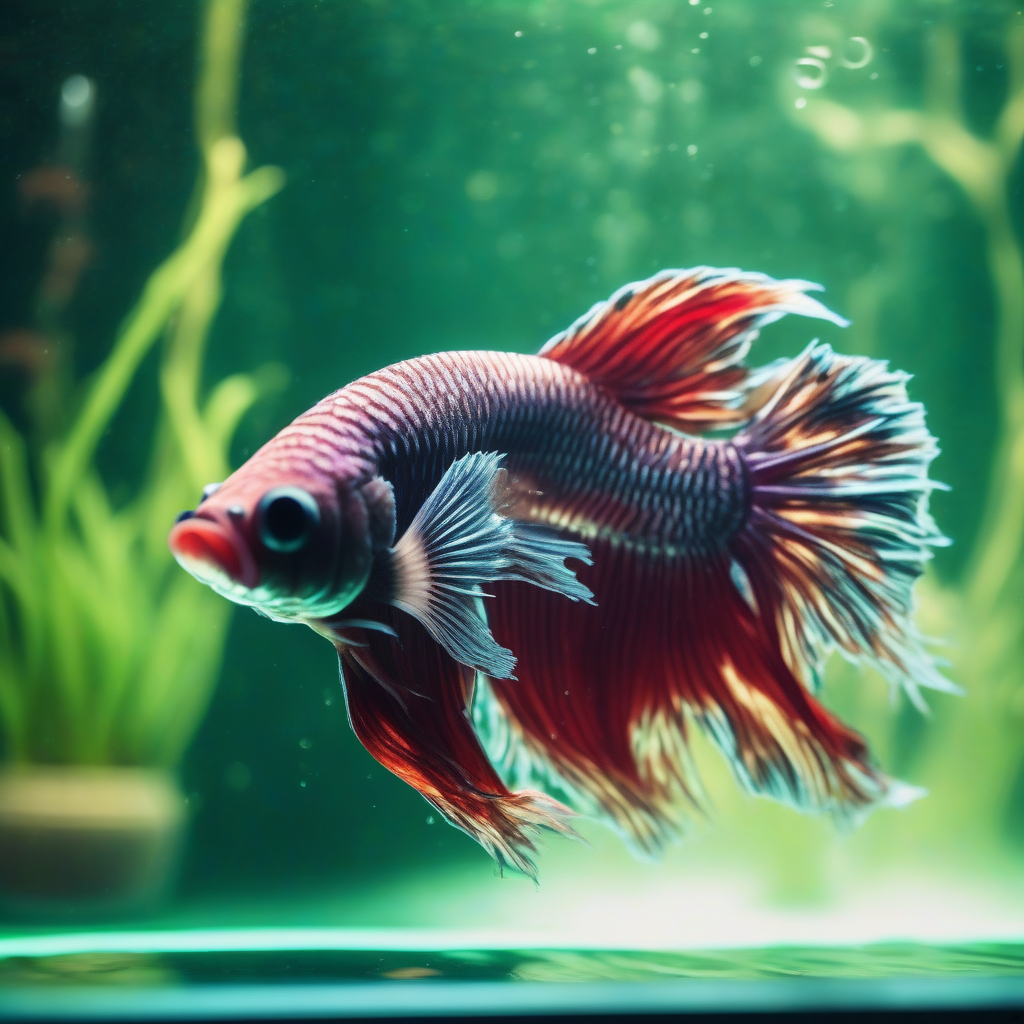
In this article, you will learn how to recognize the subtle signs of acute ammonia poisoning in your fish within 5 minutes and implement life-saving first aid strategies.


Discover the types of burns your dog can suffer, the 5 insidious neurophysiological effects these burns create in the brain and body, and lifesaving emergency intervention strategies in this comprehensive guide. We shed light on the dangers behind forgotten household accidents from a scientific perspective.

Discover the neurobiological signals of hidden stress your newly adopted cat experiences during adaptation to a new social environment. This article reveals 5 insidious signs of your cat's silent struggle and scientific strategies for peaceful, long-term harmony.

Your dog's anal sacs, located beneath the tail, can be hidden alarm bells often overlooked but profoundly affecting their quality of life. In this article, you will discover the 5 insidious neurobiological effects of anal sac problems on the brain and the lifesaving care secrets you need to know for your furry friend to live a peaceful life.
The aquarium hobby offers us delightful moments with its vibrant colors and calming atmosphere. However, this tiny underwater world also harbors its own dangers. One of the most insidious and urgent issues is acute ammonia poisoning. Unfortunately, its initial symptoms can often be overlooked, but with the right knowledge and quick reaction, it is possible to save our beloved aquatic friends. This guide will enable you to hear your fish's invisible cries within 5 minutes and take life-saving action.
Ammonia, the primary product of fish's metabolic waste, is normally converted into nitrite and then nitrate by beneficial bacteria, rendering it harmless. However, when this balance is disrupted in an aquarium, ammonia can rapidly accumulate and become toxic. Situations such as sudden water changes, filter malfunctions, overfeeding, or leaving dead fish in the aquarium for extended periods can lead to a dangerous rise in ammonia levels.
Ammonia damages fish gills, hindering their ability to absorb oxygen. It also disrupts blood pH, damages cells, and affects the nervous system. This condition rapidly threatens the fish's life.
The initial signs of ammonia poisoning are often subtle and can be perceived as general listlessness in fish. However, with a more careful observation, you can catch this insidious danger early on:
A poisoned fish will move its gills more rapidly and noticeably to try and obtain more oxygen. These movements can sometimes be spasmodic. Gills that remain more open than usual or appear red are also significant indicators.
Ammonia affects the fish's nervous system, leading to restlessness and panic-attack-like behaviors. Fish may swim rapidly towards the surface, change direction abruptly, or spin helplessly in a corner. This is akin to the struggles of a creature experiencing a sensation of being on land.
Poisoned fish completely lose their appetite. Even normally voracious fish will ignore food or take it into their mouths only to spit it out immediately. This is a clear sign of their deteriorating health.
Ammonia can damage gill tissue and blood vessels. Therefore, you may observe red spots, petechiae (tiny pinpoint hemorrhages), or general redness on the fish's gills, body, or fins. This is an external sign of internal organ damage.
In severe ammonia poisoning, a fish's eyes may become cloudy or slightly swollen. This is a result of toxins and fluid imbalance in the body.
If you observe one or more of the above signs in your fish, you must act immediately without panicking. Remember, this is a race, and every second counts.
The first and most crucial step is to perform an immediate water change of at least 50%. However, be cautious during this change:
Add special water conditioners (usually sold in liquid form) that bind ammonia and nitrite to the water. These products neutralize toxins, increasing the fish's chances of survival. Read and follow the instructions on the product carefully.
Check if the filter is clogged. A clogged filter disrupts the water cycle and can lead to ammonia buildup. Gently rinse filter media in a container of aquarium water. Avoid washing with chlorinated tap water, as this kills beneficial bacteria.
Completely stop feeding the fish until the signs of poisoning subside. Their digestive systems are already compromised, and feeding can worsen the situation.
Increase the oxygen level in the aquarium using an air stone or by adjusting the filter outflow. This will help fish with damaged gills breathe better.
If the situation is severe or the symptoms persist despite your intervention, consult an aquatic veterinarian as soon as possible. Professional support is vital for accurate diagnosis and treatment.
The best way to prevent ammonia poisoning is to maintain a healthy aquarium nitrogen cycle and not neglect regular maintenance:
Your fish's health can be protected with your attention and knowledgeable interventions. By recognizing the subtle signs of acute ammonia poisoning and acting quickly, you can save the lives of your beloved aquatic companions. Remember, the peace in your aquarium is hidden in your wisdom.
