
In this article, you will discover the deep secrets of your cat's gut microbiome, vital for their overall health, mental capacity, and immune system, and how this hidden world is shaped by nutrition. With expert tips and scientific insights, help your cat live a longer, higher-quality life.


Discover the neurobiological signals of hidden stress your newly adopted cat experiences during adaptation to a new social environment. This article reveals 5 insidious signs of your cat's silent struggle and scientific strategies for peaceful, long-term harmony.

Your dog's anal sacs, located beneath the tail, can be hidden alarm bells often overlooked but profoundly affecting their quality of life. In this article, you will discover the 5 insidious neurobiological effects of anal sac problems on the brain and the lifesaving care secrets you need to know for your furry friend to live a peaceful life.
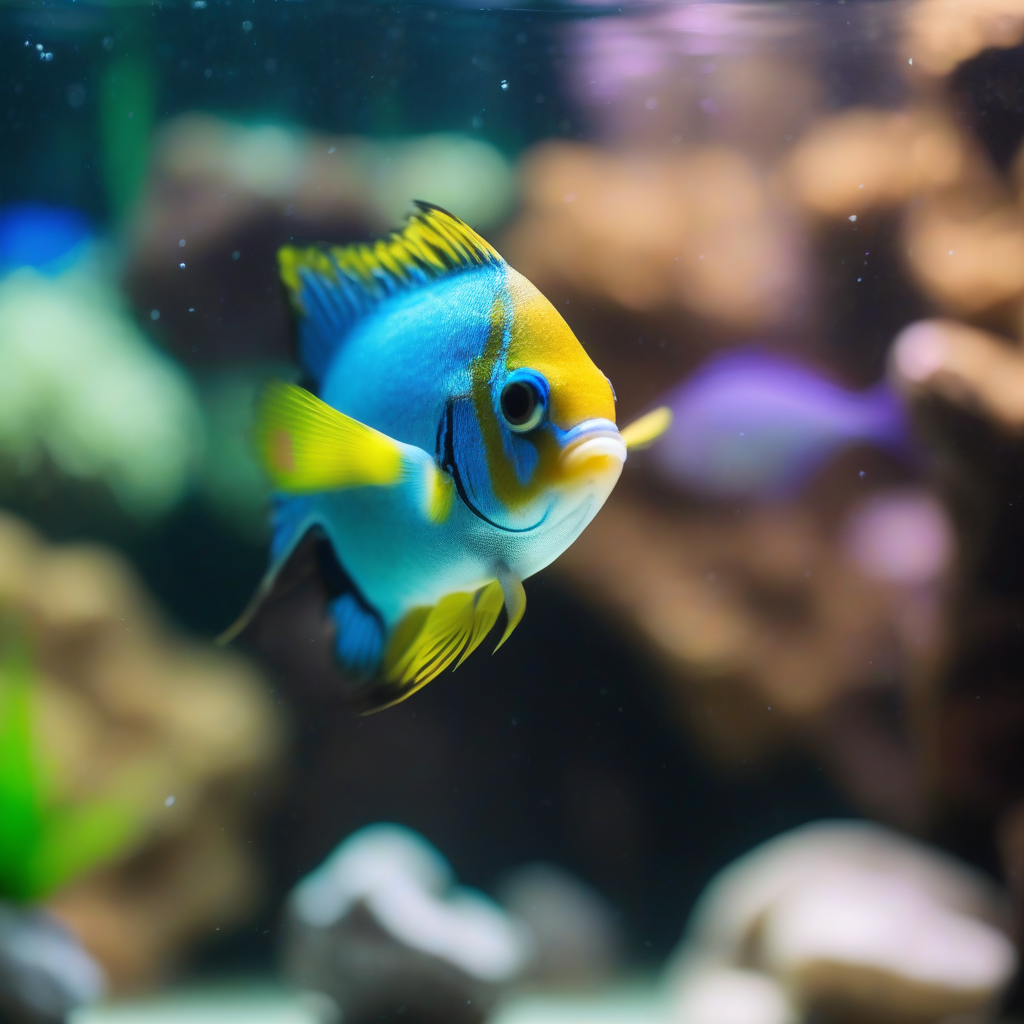
In this article, you will find comprehensive information on the insidious neurotoxic effects of heavy metal poisoning in aquarium fish, its symptoms, and lifesaving emergency intervention codes. This condition, which can arise from household water sources, improper equipment, or neglect, can severely threaten your fish's quality of life and lifespan.
Cats are surprisingly complex and mysterious creatures. While they may seem like silent residents of our homes, they harbor many secrets within their inner worlds that science is still striving to uncover. Foremost among these secrets is the gut microbiome, residing at the heart of their digestive system, influencing everything from their overall health to their mental sharpness. In light of the latest scientific data as of March 2026, we will embark on a journey into your cat's inner world, discovering how nutrition governs this invisible orchestra and how you can elevate your furry friend's quality of life to its peak.
This ecosystem, comprised of trillions of microorganisms (bacteria, viruses, fungi, and protozoa) living in your cat's gut, is scientifically known as the gut microbiome. These microbes do far more for your cat's health than you might imagine. They don't just break down food; they also perform vital functions such as vitamin synthesis, neutralization of toxins, and proper functioning of the immune system. When this delicate balance is disturbed, your cat's health can be affected in numerous ways.
Cats are obligate carnivores by nature; meaning their diet must be largely meat-based. This makes their digestive systems, and consequently their microbiome structures, fundamentally different from herbivores or omnivores. Your cat's microbiome has evolved to process proteins and fats most efficiently, rather than breaking down fibrous plant material. This unique structure, when not supported by appropriate nutritional strategies, can invite various health problems.
One of the most powerful factors in keeping your cat's gut microbiome healthy is its diet. A high-quality diet encourages the proliferation of beneficial bacteria while helping keep harmful pathogens in check. So, what kind of nutritional strategy should you follow to strengthen your cat's microbiome?
For obligate carnivores like cats, high-quality, animal-based proteins form the cornerstone of their diet. These proteins are fermented by gut bacteria to produce short-chain fatty acids (SCFAs), which are crucial for your cat's overall health. This topic is explored in more detail in the article [Mysterious Protein Sources in Cats: The Surprising Effects of Bioactive Peptides in Cat Foods on Intelligence and Immunity] makalesinde daha detaylı incelenmektedir. Inadequate protein or low-quality protein sources can disrupt the microbiome balance, leading to digestive issues.
While the importance of fiber for cats may not be as pronounced as for herbivores, it can be critical for regulating bowel movements and providing nourishment for beneficial bacteria. Excessive or insufficient fiber intake can lead to problems like constipation or diarrhea. Nutrition experts play an important role in determining the correct fiber ratio for cats.
While some cat owners prefer grain-free diets, grains themselves are not toxic to cats. What's important is the overall quality of the diet and your cat's individual tolerance. High-quality grains, when properly processed, can provide energy without harming your cat's microbiome. However, some cats may exhibit grain sensitivities. Consulting your veterinarian is the best approach to understand your cat's specific needs.
Recent scientific research indicates a strong two-way communication network between the gut microbiome and the brain. This connection, known as the "gut-brain axis," has profound effects not only on your cat's physical health but also on their mental and emotional well-being. The microbiome can produce precursors to neurotransmitters like serotonin and dopamine, thereby indirectly influencing your cat's mood, cognitive functions, and stress management. A healthy microbiome can contribute to your cat being calmer, more attentive, and more receptive to learning.
A significant portion (approximately 70-80%) of your cat's immune system resides in their gut. The microbiome forms a barrier against pathogens, preventing harmful microorganisms from entering the body. It also supports the development and function of immune cells, enhancing your cat's resistance to diseases. The concept of the mucosal barrier, discussed for a different species in the article [Fish's Invisible Shield: Secrets to Peak Immunity and Disease Resistance Through Mucosal Barrier Health (March 2026)], also highlights the relationship between gut health and immunity in cats.
Chronic inflammation is an insidious enemy underlying many diseases. An unhealthy microbiome can trigger systemic inflammation in the body. This condition, as detailed for dogs in the article [Your Dog's Invisible Enemy: Silent Symptoms of Chronic Inflammation and Scientific Secrets for Lifespan Health], can similarly lead to long-term health issues in cats.
An imbalance in the gut microbiome (dysbiosis) in cats can lead to various problems such as diarrhea, constipation, vomiting, weight loss, inflammatory bowel disease (IBD), and even some allergies. If you observe such symptoms in your cat, it's crucial to consult a veterinarian. Your vet can assess the microbiome status with tests like stool analysis and recommend a specific diet, probiotic supplements or other treatment methods. Remember, even in general health issues like those discussed in [Preventative Care Against Urinary Crystals in Cats: The Invisible Role of Stress, Diet, and Environment (March 2026)], diet and thus gut health play a critical role that should not be overlooked.
Your cat's gut microbiome is the silent architect of its overall well-being, mental sharpness, and immune system. Nutrition is the most powerful tool you have to shape this hidden world. Correct dietary choices, a balanced feeding regimen supported by prebiotics and probiotics, can unleash your cat's inner potential, offering them a longer, healthier, and happier life. Remember, every cat is unique, and their nutritional needs may vary. Always consult your veterinarian about your cat's specific requirements. At WikiPet, we believe your furry friend deserves the best and continue to support their health with scientific approaches.
