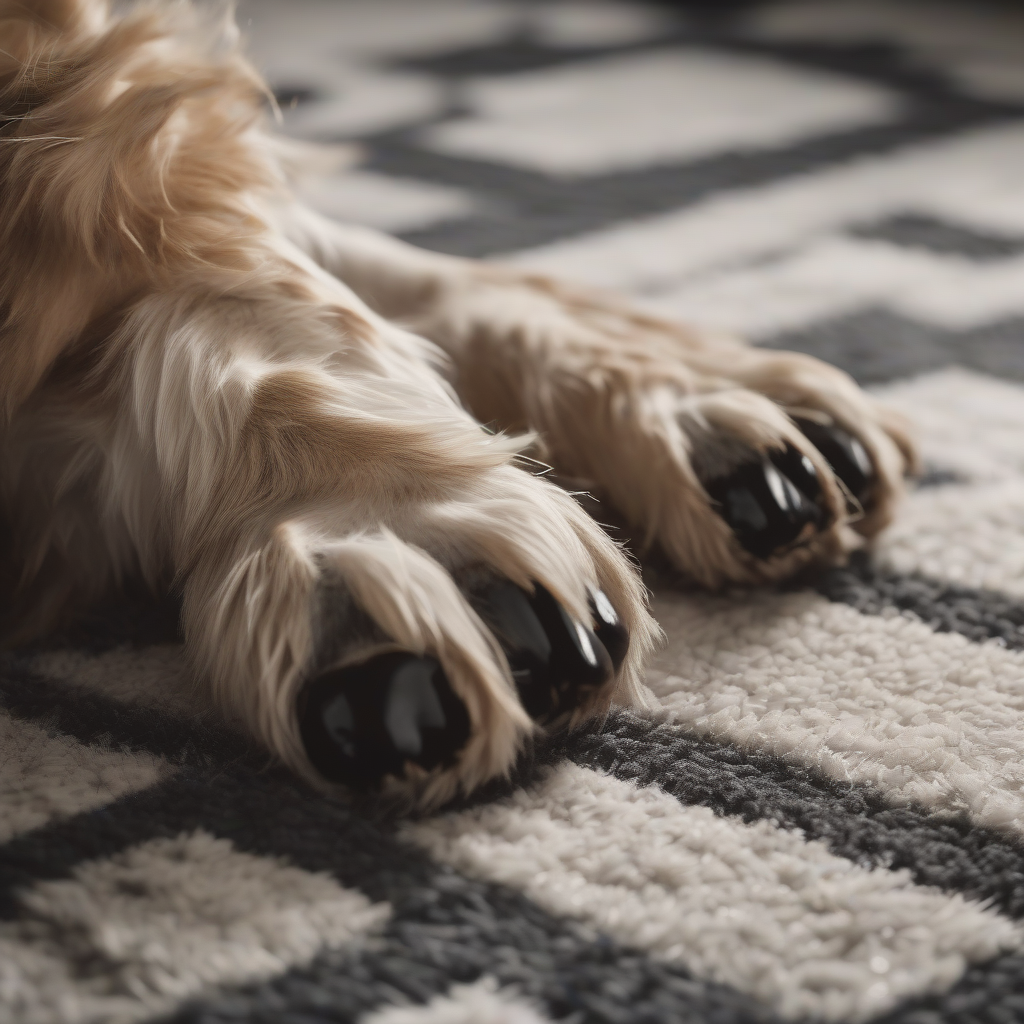
In this article, explore the neurobiological foundations of your dog's paw sensitivity. Discover the unknown effects of home surfaces and scientific design secrets for your dog's comfort.

While cats possess a surprising ability to adapt to high-rise fall traumas, the insidious neurophysiological effects on their brain carry vital risks. In this article, we reveal 5 critical neurobiological effects your cat may experience after a fall and the lifesaving emergency intervention codes with scientific secrets.

In this article, you will discover how your rabbit copes with unexpected situations and its neurocognitive responses to non-routine events. Learn scientific secrets to enhance mental flexibility and manage stress.

In this article, you will find comprehensive information on the insidious neurophysiological effects of seizures in cats' brains and lifesaving emergency intervention codes during a seizure.
Dogs experience the world through a sensory perspective vastly different from ours. The texture, temperature, and composition of the ground beneath their paws can have a surprisingly profound impact on their physical and mental well-being. This mysterious world beneath their paws harbors neurobiological secrets that, if overlooked, can negatively affect your dog's overall health and happiness. In this article, we will delve into the 'secret ground masters' of your dog, the unknown neurobiological effects of paw textures, and the scientific design secrets to creating a peaceful living environment.
Your dog's paws are equipped with highly sensitive sensory organs. These pads are used not only for walking and running but also for feeling and understanding their environment. Pressure receptors, thermoreceptors, and pain receptors constantly transmit information from the ground to the brain. This complex neural network determines your dog's ability to adapt to different surfaces.
Hard floors, such as ceramic, tile, or hard wood, may seem clean and practical at first glance. However, constantly walking and standing on these surfaces can create repetitive pressure on your dog's joints, potentially leading to joint pain, stiffness, and even inflammation over time. Furthermore, when such floors offer inadequate insulation, excessively hot or cold surfaces can cause burns or frostbite on your dog's paws. These physical discomforts directly affect your dog's mood and behavior, triggering the secrets within Your Dog's 'Hidden Emotional Map': Neurobiological Roots of Stress Tunnels and Solution Keys.
Soft textures like carpets, rugs, or dog beds offer a gentler surface for your dog's paws. These types of surfaces distribute weight more evenly, reducing pressure on the joints. They also provide better insulation, helping to protect against temperature fluctuations. This enhances your dog's overall comfort and supports the principles outlined in Your Dog's Secret 'Thermal Sense': 5 Neurobiological Secrets of Body Temperature Management and Optimal Comfort Care Strategies!. Soft flooring can also help your dog feel more secure, especially when trying to adapt to a new environment. As discussed in our article, Your Dog's 'Fear-Infused Stress Tunnels': 5 Neurobiological Thresholds in a New Environment and Secrets to Building Lasting Trust!, a safe and comfortable floor significantly eases the adaptation process.
Flooring choices in your home directly impact your dog's daily quality of life. Making informed decisions with neurobiological effects in mind will help them live a happier and healthier life.
Slippery floors, especially in high-traffic areas of the house, can cause your dog to fall and injure themselves. While not leading to severe situations like Your Dog's 'Hidden Emergency Brain': 5 Insidious Neurological Triggers Behind Loss of Consciousness and Lifesaving 5-Second Intervention Codes!, sudden movements on slippery surfaces can increase overall anxiety levels. Non-slip flooring or the use of non-slip mats can provide more controlled movement for your dog, mitigating this risk.
Every dog is different, and their flooring preferences can vary individually. Generally, combining different floor textures in various areas of the home is an ideal approach. For instance, you might use easier-to-clean surfaces in entryways while opting for softer, more comfortable floors in areas where your dog rests. This provides your dog with a variety of surface options where they can relax and feel secure when needed. This variety, as part of the Your Dog's 'Secret Ground Masters': Neurobiological Secrets of the Mysterious World Beneath Their Paws!, enhances their environmental enrichment.
In addition to the direct impact of flooring, there are other measures you can take to support your dog's paw health.
For dogs with long fur, especially between their paws, overgrown hair can lead to the adhesion of dirt and foreign matter, causing irritation and potential infections. Regular grooming, following the recommendations in Your Dog's Coat's Hidden Micro-Climate: 5 Neurobiological Effects of Grooming and Scientific Secrets for Protecting Skin Health!, helps prevent these issues.
Dry and cracked paws can be uncomfortable for your dog and an open invitation to infections. Using dog-specific moisturizing and protective paw balms or sprays, recommended by your veterinarian, helps maintain healthy paws. These products directly impact paw health, serving as a starting point for Your Dog's Hidden 'Sweat Biopsy': The Art of Reading Overall Health from Tiny Clues Beneath the Paws!.
Some dogs may naturally exhibit sensitivity to certain types of flooring. This sensitivity can stem from genetic predisposition or past negative experiences. Observing your dog's exaggerated reactions to surfaces (e.g., excessive licking, limping, or avoiding the floor) may indicate an underlying issue. In such cases, understanding the secrets within Your Dog's 'Hidden Emotional Map': Neurobiological Roots of Stress Tunnels and Solution Keys and consulting your veterinarian is crucial.
In conclusion, the world beneath your dog's paws is critically important for their physical and mental health. Designing your home's flooring with neurobiological effects in mind and practicing regular paw care will ensure your dog lives a more comfortable, secure, and happy life. Remember, even small details can make a big difference in their world.
