
In this article, you will learn to instantly recognize the dangers of dog poisoning and the lifesaving intervention secrets you can perform in the first 5 minutes. From hidden household dangers to acute symptoms.


Discover the neurobiological signals of hidden stress your newly adopted cat experiences during adaptation to a new social environment. This article reveals 5 insidious signs of your cat's silent struggle and scientific strategies for peaceful, long-term harmony.

Your dog's anal sacs, located beneath the tail, can be hidden alarm bells often overlooked but profoundly affecting their quality of life. In this article, you will discover the 5 insidious neurobiological effects of anal sac problems on the brain and the lifesaving care secrets you need to know for your furry friend to live a peaceful life.
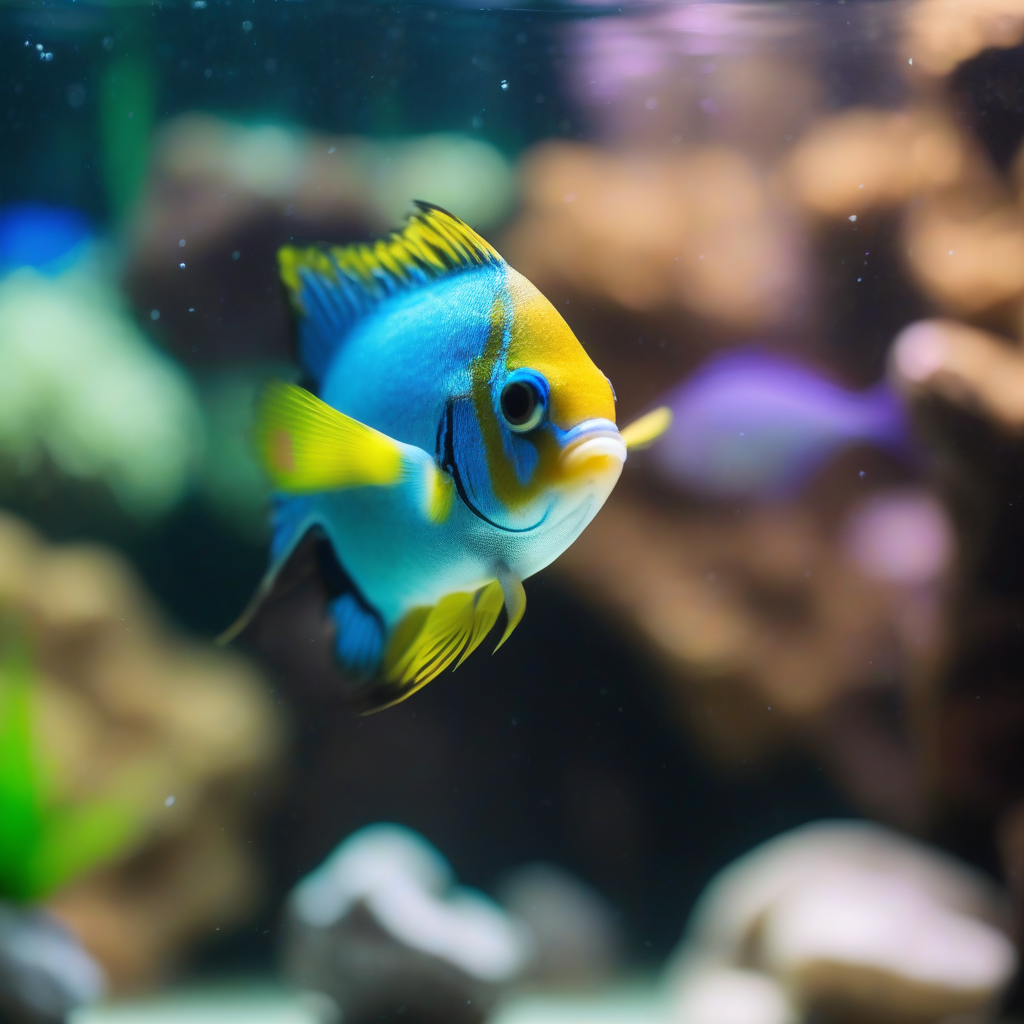
In this article, you will find comprehensive information on the insidious neurotoxic effects of heavy metal poisoning in aquarium fish, its symptoms, and lifesaving emergency intervention codes. This condition, which can arise from household water sources, improper equipment, or neglect, can severely threaten your fish's quality of life and lifespan.
One of every pet owner's greatest fears is their loyal companion facing a poisoning crisis. Due to their curious nature, dogs tend to explore everything around them, which can expose them to potentially dangerous substances. As of March 2026, emergency preparedness and rapid response have become one of the most critical elements of pet health. In this article, we will delve into the types of poisoning your dog may encounter, their symptoms, and most importantly, the emergency intervention strategies that can save lives within the first 5 minutes.
Our homes, the safe haven for our pets, can actually harbor many hidden dangers. From cleaning products to medications, plants to foods, many substances can be toxic to dogs. Being aware of these 'hidden foci' is the first step in taking preventive measures.
Bleach, detergents, wood cleaners, insecticides, and even some air fresheners can cause severe poisoning if ingested or if they come into contact with the skin. Ensure they are stored out of your dog's reach and prevent them from being in the room during cleaning.
Pain relievers like paracetamol and ibuprofen, or antidepressants, can be extremely toxic to dogs. Absolutely prevent your dog from accessing medications and store any medications you use safely. Never give your dog any medication outside of your veterinarian's prescribed dosage.
Popular houseplants like lilies, dieffenbachia, and poinsettias can cause various poisoning symptoms in dogs, ranging from gastrointestinal upset to kidney failure. Choose plants that your dog's curious mouth won't reach, or remove toxic ones from your home.
Chocolate (especially dark), onions, garlic, grapes, raisins, avocados, and products containing xylitol (artificial sweetener) can cause serious health problems for dogs. Never give your dog human food and store these items safely.
Poisoning symptoms can vary depending on the substance ingested, the amount, and the dog's weight. However, some common symptoms requiring immediate attention are:
Sudden, severe vomiting and diarrhea can be one of the first and most obvious signs of poisoning. If these symptoms are bloody, the situation is even more serious.
Some chemicals or plants can cause irritation in the mouth, leading to excessive salivation.
Symptoms such as tremors, muscle twitching, loss of balance, staggering, seizures, or loss of consciousness can indicate poisoning affecting the central nervous system.
Shortness of breath, rapid breathing, or coughing can be an indicator of exposure to toxins affecting the respiratory tract. As noted in the article Your Bird's Sudden Respiratory Distress: Lifesaving First Steps and Overlooked Signs (March 2026 Emergency Guide), respiratory problems always require immediate intervention.
A dog that suddenly appears extremely sleepy, unresponsive, or depressed might be signaling an internal problem.
In a poisoning incident, time is your most valuable asset. The actions you can take in the critical minutes before reaching your veterinarian or receiving guidance from them can save your dog's life.
While it's the most challenging step, staying calm enables you to make correct decisions. Try to calm your dog. Excessive movement can worsen the situation.
Try to understand what your dog ate or was exposed to. If the toxic substance is still around, move your dog to a safe area or remove the substance to prevent further contact. If possible, take the packaging or a sample of the ingested substance with you.
Before taking any action, call your designated emergency veterinarian or the nearest emergency veterinary clinic. Explain the situation in detail and follow their instructions. The information in this article does not replace professional care from your veterinarian.
In many poisoning cases, inducing vomiting can be effective. However, expert knowledge is required to determine which substances can be safely vomited and which could cause more harm. Never attempt to induce vomiting without your veterinarian's approval and instructions. Attempting to induce vomiting with the wrong substance can cause secondary damage to the esophagus or aspiration of the substance into the lungs.
In some cases, your veterinarian may recommend giving small amounts of water or milk. This can help dilute the toxins. However, this should also be done under your veterinarian's guidance.
Preventing poisoning incidents is always easier than treating them. Making your dog's living space non-toxic is one of the most important steps you can take for their health.
Remember, your dog's health is in your hands. Being aware, being prepared, and taking the right action at the right time can save your beloved companion's life. With this information, you can create a safer living environment for your dog and be better prepared for potential emergencies.
