
In this article, you will find the hidden signs of toxin overload threatening your dog's liver health and scientific strategies to protect its liver.


In this article, you will discover the little-known but profound effects of the acoustic environment in rabbit living spaces on their brain health and general well-being, exploring the neurobiological consequences of both sound deprivation and overstimulation, and scientific secrets to creating a peaceful environment. Understand and optimize your rabbit's world with expert tips.
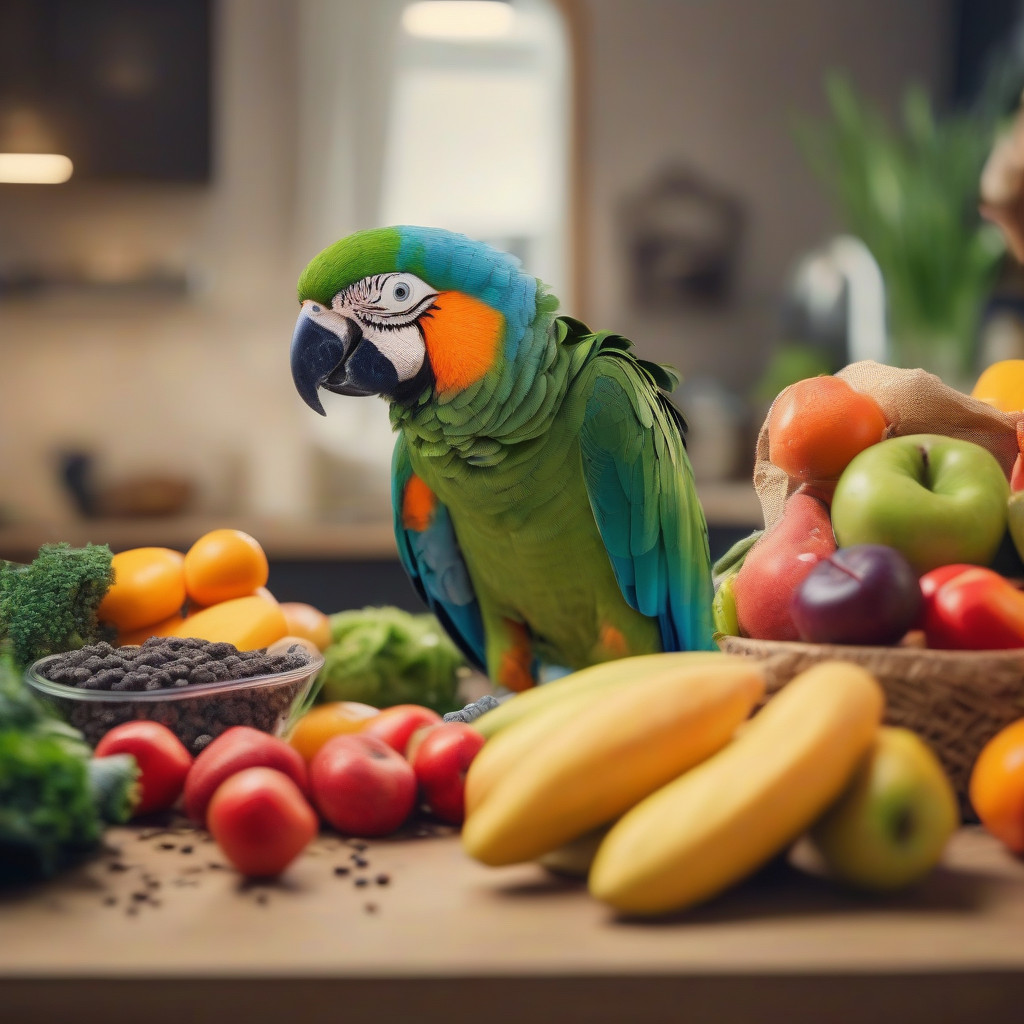
In this article, you will find comprehensive information about the insidious neurobiological effects of artificial colorings, preservatives, and flavors found in commercial bird feeds on your bird's brain health and mental vitality. We explore scientific nutritional secrets to combat these hidden dangers, shedding light on a wide spectrum of effects from behavioral changes to cognitive decline.

In this article, you can discover the scientific secrets to understanding your cat's undesirable habits, deciphering the neurocognitive mechanisms in their brain, and establishing lasting new routines.
Dogs can unknowingly be exposed to numerous toxins throughout their lives. These toxins can originate from their environment, food, or even medications. Your dog's liver plays a critical role in eliminating these harmful substances from the body. However, liver damage often progresses silently, and the condition can become severe before distinct symptoms appear. In this article, we will explore 5 insidious and easily overlooked signs of toxin overload in your dog's liver, along with lifesaving scientific support strategies against this condition.
Your dog becoming less interested in food or losing weight unexpectedly can be one of the first and most insidious signs of impaired liver function. The liver is crucial for digestion and nutrient absorption. When toxin load increases, the liver's capacity to perform these functions diminishes. This can lead to your dog being unable to digest food properly, consequently causing appetite loss. Sudden weight loss often indicates a weakening of the liver's ability to regulate fat metabolism.
Your dog being more sluggish, less enthusiastic, and generally having low energy compared to before is another sign to pay attention to. This can result from the body expending more energy to clear toxins or from the liver's role in energy production being compromised. Showing reluctance even in their daily routines, avoiding play, or refusing long walks are neurobiological and physiological repercussions that should not be ignored. This can also create a coldness in your bond with them, conflicting with your affection.
Inability to eliminate toxins can lead to the body attempting to expel them through the skin. This can result in chronic itching, redness, hair loss, and even susceptibility to infections. The liver's failure to filter toxins can cause harmful substances to accumulate in the bloodstream, irritating the skin's delicate structure. This can disrupt your dog's comfort, negatively impact your interactions, and threaten their secret space security.
In more advanced stages of liver damage, a yellowish discoloration may be observed in the whites of the eyes, gums, and skin. This is caused by the inability to adequately excrete a waste product called bilirubin. Bilirubin is formed from the breakdown of red blood cells and is normally processed by the liver and excreted through bile. When the liver cannot perform this function, bilirubin levels rise in the blood, leading to jaundice. This critical condition can also indicate serious issues within their secret body conductors.
The effects of toxins on the brain cannot be overlooked. Impaired liver function can affect blood and nutrient flow to the brain, as well as increase the amount of toxic substances reaching the brain. This can lead to behavioral changes in your dog. For example, a previously calm dog might become restless, irritable, or aggressive. In some cases, issues may arise within their secret understanding modes, altering their responses to vocal tones or body language. Such changes can also lead to variations in their secret games or territorial marking signals.
There are scientifically-based measures you can take to protect and support your dog's liver health:
invisible liver defense.secret high-risk zones and eliminate potential hazards.Your dog's liver health is vital for their overall quality of life and lifespan. Recognizing insidious signs early and supporting their liver with the right scientific strategies will help them live a healthier and longer life.
