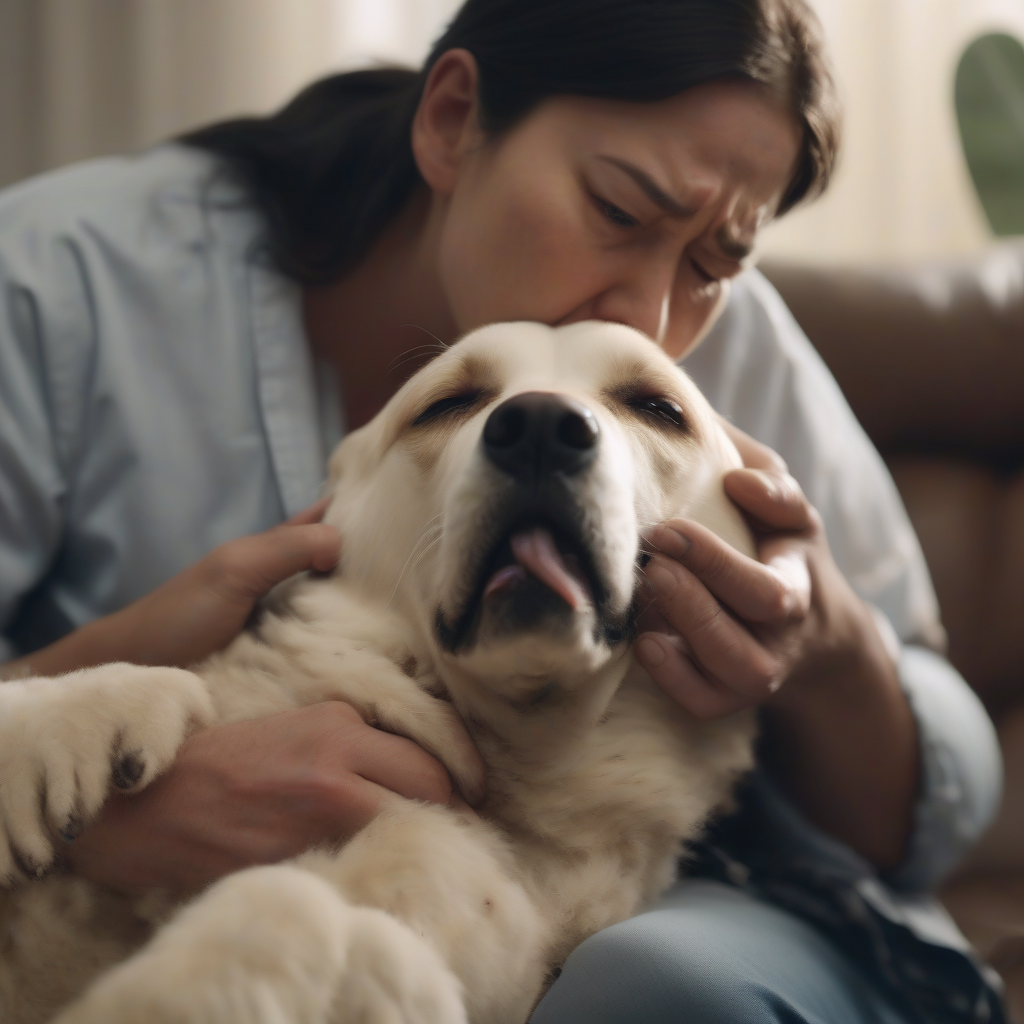
In this article, discover the neuroimmunological mechanisms, 5 insidious signals, and lifesaving emergency intervention strategies for anaphylactic shock, the most dangerous acute allergic reaction in dogs.


While cats possess a surprising ability to adapt to high-rise fall traumas, the insidious neurophysiological effects on their brain carry vital risks. In this article, we reveal 5 critical neurobiological effects your cat may experience after a fall and the lifesaving emergency intervention codes with scientific secrets.

In this article, you will discover how your rabbit copes with unexpected situations and its neurocognitive responses to non-routine events. Learn scientific secrets to enhance mental flexibility and manage stress.

In this article, you will find comprehensive information on the insidious neurophysiological effects of seizures in cats' brains and lifesaving emergency intervention codes during a seizure.
The quality of life and safety of our dogs depend on how quickly and accurately we can manage unexpected emergencies. One of the most insidious and deadly of these emergencies is anaphylactic shock. A seemingly harmless bee sting, a reaction to new food, or a drug allergy can push your dog's body to the brink of a fatal neuroimmunological crisis within seconds. This article will delve into the complex interaction between the brain and the immune system during anaphylactic shock, identify 5 subtle signals that are often missed, and provide scientific intervention codes for this life-threatening condition.
Anaphylaxis is an extreme and systemic immune response of the body to an allergen. This response is not limited to superficial symptoms like skin itching or swelling; it rapidly escalates into a cascade affecting the entire body. The 'neuroimmunological' connection between the central nervous system (brain) and the immune system determines the depth and speed of this shock. When an allergen enters the body, immune cells (especially mast cells) are rapidly activated, releasing powerful chemicals like histamine and cytokines.
At the heart of anaphylactic shock are mast cells. When these cells encounter allergens, they rapidly degranulate, releasing histamine and various cytokines (interleukins, tumor necrosis factor-alpha). Histamine causes rapid dilation (vasodilation) and increased permeability of blood vessels, leading to a sudden drop in blood pressure. Cytokines, on the other hand, amplify the inflammatory response and affect nerve endings, triggering symptoms such as pain, itching, and bronchial constriction. This 'chemical storm' quickly initiates a cycle that reduces blood flow to organs and leads to oxygen deprivation at the cellular level.
Sudden dilation of blood vessels and fluid loss cause a severe collapse of the circulatory system. The brain rapidly responds to this situation via the sympathetic nervous system. Adrenaline (epinephrine) release increases, but it often cannot keep up with the rate of vasodilation and fluid loss. Neuronal signals command the heart to beat faster, yet sufficient blood flow to the brain and other vital organs cannot be maintained due to the widespread vasodilation. This situation can lead to your dog losing consciousness and going into organ failure within a short time. Such acute conditions can severely affect your dog's body temperature management; for more information on this, you can refer to the article Your Dog's Secret 'Thermal Sense': 5 Neurobiological Secrets of Body Temperature Management and Optimal Comfort Care Strategies!.
Symptoms of anaphylactic shock can progress rapidly and may initially be mistaken for mild allergic reactions. However, early recognition of these insidious signals can save your dog's life.
Sudden swelling, particularly around the face, eyelids, and lips, is one of the first and most prominent signs of anaphylaxis. It can obstruct the respiratory tract, leading to suffocation. This swelling occurs as histamine causes fluid leakage from capillaries, sending 'airway danger' signals to the brain.
Bronchial constriction and swelling of air sacs in the lungs make breathing difficult. Your dog using abdominal muscles to breathe, experiencing wheezing, or coughing fits are critical signals of oxygen starvation. This alarms the brain, triggering a panic response.
Anaphylaxis can also affect the digestive system. Activation of mast cells in the stomach and intestines can result in severe vomiting and diarrhea. While this is a neurobiological response by the body trying to eliminate toxins, it leads to rapid fluid loss and the risk of dehydration, as detailed in Your Dog's 'Hidden Dehydration Brain': 5 Insidious Neurocognitive Effects of Dehydration and Scientific Solutions for Optimal Mental Vitality!.
When the brain doesn't receive enough oxygen due to a sudden and severe drop in blood pressure (hypotension), your dog may suddenly faint or become extremely lethargic. This is a clear sign that the circulatory system is experiencing a critical collapse, leading to a general slowdown in neuronal activity.
Pale or grayish mucous membranes, such as the gums and tongue, indicate insufficient blood flow. If you press on your dog's gums and the color takes longer than 2 seconds to return to normal (capillary refill time), it's a serious sign of deepening circulatory shock. This suggests that the vasomotor centers in the brain are attempting to redirect blood to vital organs but are failing. To learn more about the neuroimmunological triggers of general allergic reactions in your dog, read Your Dog's 'Hidden Itch Traps': Neuroimmunological Triggers of Skin Allergies and Stress-Zeroing Scientific Solutions!.
Anaphylactic shock is a veterinary emergency. Your initial response directly impacts your dog's chances of survival.
Panicking prevents you from making correct decisions. First, stay calm and immediately call your vet clinic, explaining the situation. Informing your vet before you arrive allows the clinic to prepare for your arrival.
If your dog has noticeable swelling in its face or throat and is struggling to breathe, ensuring the airway remains open is critical. Gently pull your dog's tongue out to help open the airway. If it's vomiting, turn its head to the side to prevent choking.
Gently and safely lay your dog on its side with its head slightly lowered (shock position). You can cover it with a light blanket to maintain body temperature, but avoid overheating. Body temperature can drop during shock, so warming is important. Do not administer any medication or water without consulting your veterinarian.
Antihistamines or allergy medications used for humans may not be the correct dosage or form for your dog and could worsen the situation. Do not administer any medication without your veterinarian's guidance. Your vet will likely administer an epinephrine (adrenaline) injection and intravenous fluid therapy.
Remember, anaphylactic shock can be fatal within seconds. Early diagnosis and rapid veterinary intervention are lifesaving. If your dog has a known allergy that poses a risk of anaphylaxis, discuss an emergency plan and potentially carrying an epinephrine autoinjector with your veterinarian.
