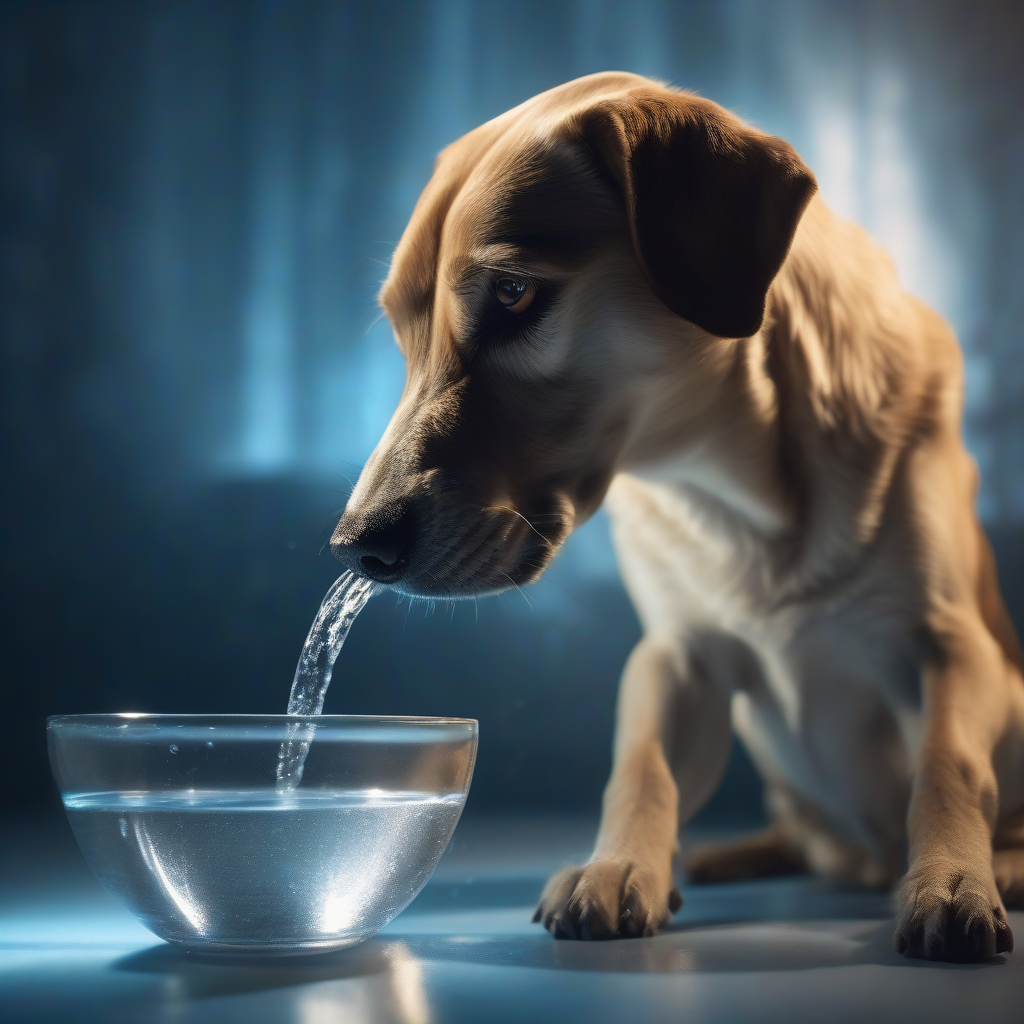
In this article, you will discover 5 insidious neurocognitive signs of dehydration silently affecting your dog's brain and learn scientific solutions for their mental vitality and optimal health.


In this article, you will discover the little-known but profound effects of the acoustic environment in rabbit living spaces on their brain health and general well-being, exploring the neurobiological consequences of both sound deprivation and overstimulation, and scientific secrets to creating a peaceful environment. Understand and optimize your rabbit's world with expert tips.
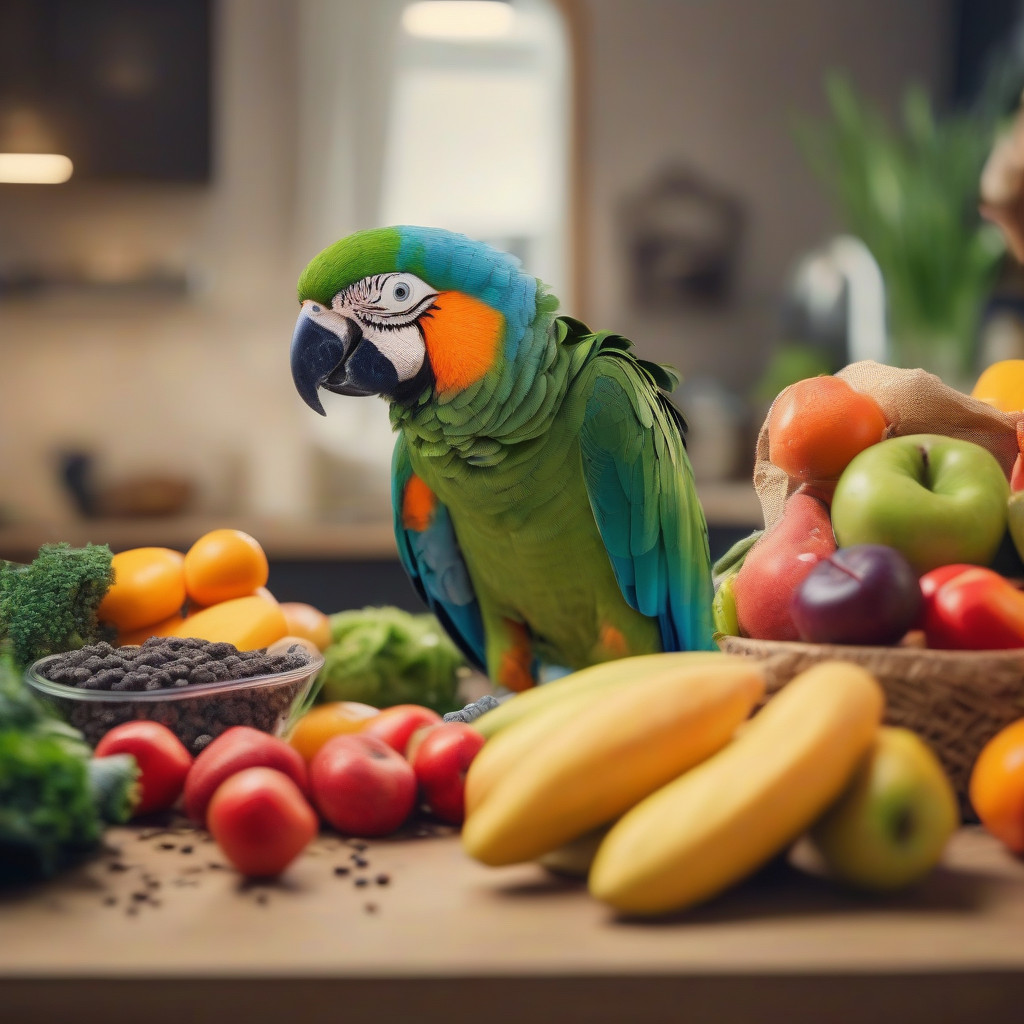
In this article, you will find comprehensive information about the insidious neurobiological effects of artificial colorings, preservatives, and flavors found in commercial bird feeds on your bird's brain health and mental vitality. We explore scientific nutritional secrets to combat these hidden dangers, shedding light on a wide spectrum of effects from behavioral changes to cognitive decline.

In this article, you can discover the scientific secrets to understanding your cat's undesirable habits, deciphering the neurocognitive mechanisms in their brain, and establishing lasting new routines.
As of May 2026, our understanding of pet health is deepening daily. Instead of solely focusing on physical symptoms, comprehending the neurobiological mechanisms underlying behavioral and cognitive changes has become critically important. One of our dogs' most fundamental needs, water consumption, is far more than a simple physical requirement. Water, vital for every cell in the body, has surprisingly profound effects, especially on brain functions. So, how might your dog's insufficient water intake be silently sabotaging their 'mental vitality'? Let's delve deep into the insidious neurocognitive effects of dehydration, not just on physical health, but also on cognitive and behavioral well-being, and the scientific measures we can take.
Water constitutes approximately 80% of brain tissue and is the main component of cerebrospinal fluid. All neurochemical processes that enable communication between nerve cells, transport nutrients, and remove waste products depend on water. Even a minimal loss of water can affect the electrical activity and overall metabolic functions of brain cells. This can lead to a wide range of problems, from how your dog perceives the world to how they react.
The brain requires a constant supply of energy and oxygen. Water maintains blood volume, ensuring the uninterrupted delivery of these vital substances to the brain. It is also a fundamental component for the synthesis and function of neurotransmitters. In cases of dehydration, blood volume decreases, oxygen and nutrient flow to the brain slow down, leading to a noticeable decline in cognitive functions. These complex processes can even affect your dog's memory labyrinth.
The sensation of thirst in dogs is regulated by osmoreceptors located in the hypothalamus region of the brain. These receptors detect even the smallest increases in blood osmolarity and trigger the sensation of thirst. However, in situations of chronic or mild dehydration, the effectiveness of this system may decrease, and dogs may not feel the urge to drink enough water, leading to an insidious cycle.
Some behavioral changes you observe in your dog might stem from a lack of adequate hydration. These effects often manifest before physical symptoms and can be easily overlooked:
Dehydration can negatively affect electrical activity and synaptic plasticity in the brain, reducing your dog's ability to learn new commands or focus on already known tasks. Reluctance during training or slower responses might be a sign of hydration deficiency rather than simple fatigue.
Imbalances in brain chemistry are a direct consequence of dehydration. Levels of neurotransmitters like serotonin and dopamine can be affected, leading to your dog becoming more irritable, anxious, or depressed. This has a serious impact on their overall behavioral well-being.
Even mild dehydration can affect muscle function and neuromuscular coordination. If your dog isn't as agile as before, experiences balance issues, or tires faster during play, it could be an indication of insufficient water intake. This is one of the frequently overlooked invisible fatigue signals.
The prefrontal cortex of the brain is responsible for high-level cognitive functions such as decision-making and problem-solving. Dehydration can reduce blood flow and neuronal activity in this area, causing your dog to hesitate even in simple situations or struggle to find creative solutions to familiar problems.
Hydration can influence the production and release of sleep-regulating hormones like melatonin. Without adequate water intake, your dog's sleep-wake cycle can be disrupted, leading to restlessness at night, excessive lethargy during the day, or triggering hormonal imbalances.
Ensuring adequate hydration for your dog's mental and physical health requires a proactive approach:
Place multiple, always clean and fresh water bowls throughout your home. Experimenting with different materials and sizes of bowls can be more appealing to some dogs. Moving water sources (water fountains) also encourage many dogs to drink more. Place water bowls in quiet, calm, and easily accessible locations.
In addition to dry kibble, incorporating wet food or special supplements that can be mixed with water into their diet can increase your dog's overall water intake. Furthermore, water-rich snacks like vegetables and fruits also support hydration. However, it's crucial to consult your veterinarian and provide these foods in a balanced manner.
Monitor your dog's daily water intake and regularly check for physical signs such as urine color, gum moisture, and skin elasticity. Most importantly, if you notice any of the neurocognitive or behavioral changes mentioned above, do not hesitate to consult a veterinarian to investigate the underlying causes. Early diagnosis is key to long-term health and well-being.
View your dog's water intake not just as an act of drinking, but as one of the fundamental pillars of their brain health and overall mental vitality. Understanding the insidious neurocognitive effects of dehydration is one of the most important steps you can take to enhance their quality of life. With these scientific approaches, you can protect both the body and mind of your beloved companion in the best possible way.
