The Hidden Decline in Your Dog's Mind: Silent Signs of Cognitive Dysfunction Syndrome and Scientific Solutions for Brain Health (March 2026)
Aging is an inevitable phase in our companions' lives, bringing with it not only physical but also mental changes. Much like Alzheimer's disease in humans, dogs can develop a progressive neurodegenerative condition called Canine Cognitive Dysfunction Syndrome (CCDS). This syndrome is often misinterpreted by owners as a 'normal' part of aging, but it is in fact a serious health issue that can be addressed. As of March 2026, science is opening new horizons, allowing us to better understand this 'silent decline' and enhance the quality of life for our beloved dogs.
What is Canine Cognitive Dysfunction Syndrome (CCDS) and Why is it Important?
CCDS is characterized by a range of behavioral symptoms resulting from structural and chemical changes in the brains of aging dogs. These changes lead to impairment in cognitive functions such as learning, memory, awareness, and spatial perception. With early diagnosis and appropriate management strategies, the progression of the syndrome can be slowed, and your dog's quality of life significantly improved. Every overlooked symptom could be a reflection of the confusion your companion is experiencing internally.
Overlooked Silent Signs of CCDS
The symptoms of CCDS are often insidious and appear gradually, making them easy for owners to overlook. Here are the main silent signs to watch out for:
- Disorientation: Your dog getting stuck in familiar places at home (e.g., doorways, walls, furniture), staring blankly into space, or confusing familiar faces. They may appear 'lost' even within their own home.
- Altered Social Interactions: A previously very social dog withdrawing from people or other animals, or conversely, becoming more clingy. Some dogs may show less interest in their owners or resist being petted. These situations can represent significant deviations from normal social signals, as discussed in the article Your Dog's Invisible Social Signals: Scientific Codes to End Misunderstanding!.
- Sleep-Wake Cycle Disturbances: Insomnia at night, pacing, howling, or meaningless barking during the night, and excessive sleeping during the day. This can be very taxing for both your dog and you.
- Loss of House Training: A previously perfectly house-trained dog starting to urinate or defecate indoors. This is typically a sign of cognitive decline rather than stubbornness.
- Changes in Activity Levels: Behaviors such as playing less, exploring their environment less, not enjoying routine activities, or aimless wandering.
Scientific Solutions to Support Brain Health
While there is no definitive cure for CCDS, a range of strategies are available to slow its progression and improve your dog's quality of life. These approaches should be implemented in collaboration with your veterinarian.
1. Nutrition Focused on Neurological Support
Nutrition is one of the cornerstones of brain health. Diets specifically designed for senior dogs, rich in antioxidants (vitamins E and C), omega-3 fatty acids (DHA and EPA), and medium-chain triglycerides (MCTs), can support cognitive functions. These nutrients help reduce oxidative stress in the brain and improve energy metabolism. Our article, Your Dog's Secret Brain Fuel: Essential Nutrient Secrets to Boost Neurocognitive Performance!, offers more detailed information on this topic.
2. Environmental Enrichment and Mental Stimulation
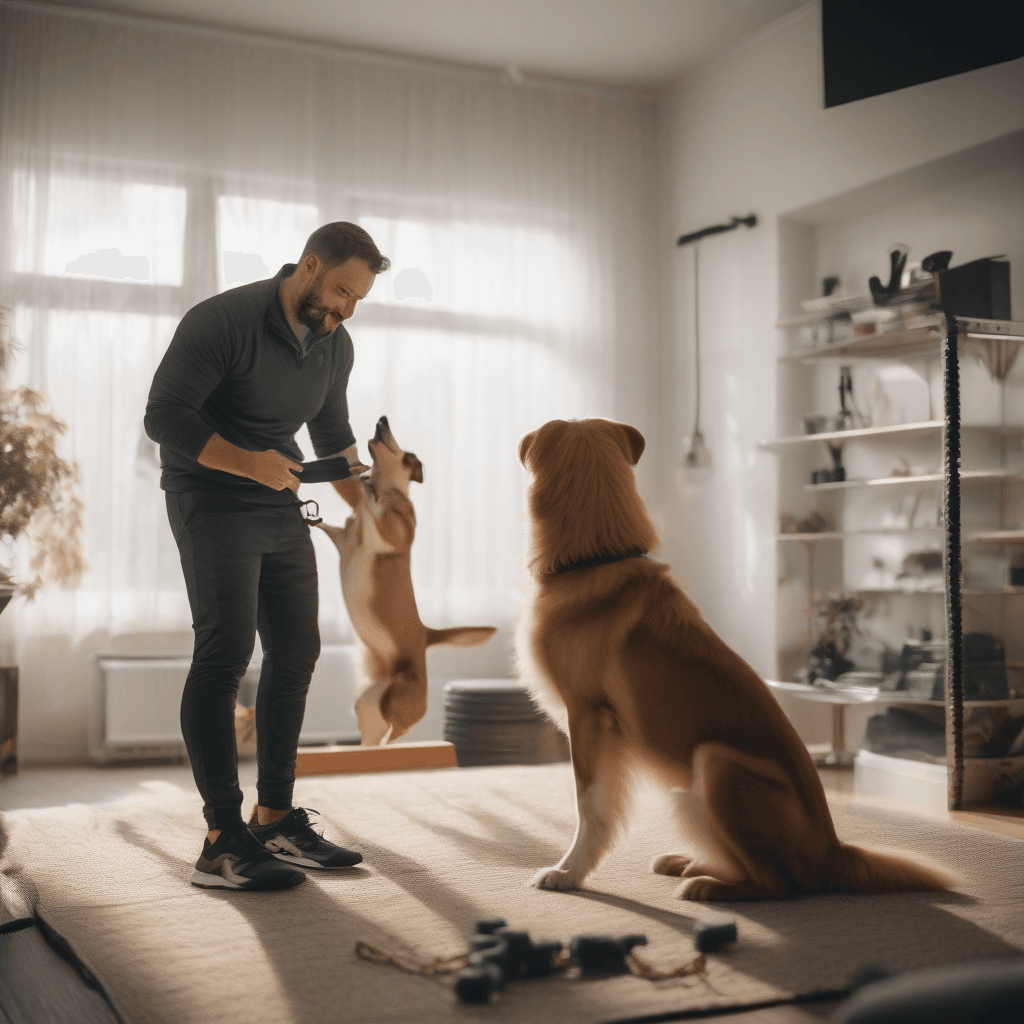
Keeping your dog's mind active plays a critical role in slowing cognitive decline. Activities such as safe toys, food puzzles (like Kongs), short and gentle training sessions (repeating known commands rather than teaching new ones), and short walks filled with different scents (though new, complex environments can increase stress) are beneficial. Keeping routines simple and predictable is also important, as cognitively declining dogs can become more stressed by uncertainty.
3. Medication and Supplement Treatments
Your veterinarian may recommend medications or supplements to help alleviate CCDS symptoms. Medications like selegiline hydrochloride can help improve cognitive functions by affecting dopamine levels in the brain. Supplements such as Ginkgo biloba and phosphatidylserine may also be beneficial in some dogs but should always be used under veterinary supervision.
4. Gut-Brain Axis and Probiotics
Recent research points to the influence of the gut microbiome on brain health. A healthy gut microbiome can reduce inflammation and influence neurotransmitter production. Therefore, prebiotics and probiotics, used under your veterinarian's recommendation, can be part of a holistic approach to CCDS management. For more information on this, you can refer to the article Your Dog's Gut Microbiome: From Silent Inflammation to Allergies, The Scientific Secrets of Pre/Probiotics (March 2026).
5. Routine Veterinary Check-ups and Early Diagnosis
Regular veterinary check-ups for senior dogs are vital for catching early signs of CCDS and ruling out other age-related health issues (e.g., joint pain, thyroid problems). These other conditions can mimic or exacerbate CCDS symptoms. Early diagnosis ensures the implementation of the most effective intervention strategies.
Conclusion
It can be distressing to see your dog show signs of cognitive decline as they age, but you are not alone. Canine Cognitive Dysfunction Syndrome is a manageable condition thanks to modern veterinary science. Being proactive and working closely with your veterinarian is crucial to improving your companion's quality of life and supporting them through this challenging process. Remember, Your Dog's 'Secure Attachment': Scientific Secrets to Strengthening Emotional Intelligence and Social Resilience After Adoption is important at every age, and in this process, that bond is your companion's greatest comfort.