A cat's fur is often viewed as a mere aesthetic feature, but it is, in fact, an incredibly intricate system vital for their survival, comfort, and overall well-being. As of March 2026, scientific research continues to illuminate many unknowns related to the hidden thermoregulation mechanisms within a cat's coat. In this article, we will delve deep into this mysterious world beneath their fur.
The Multifaceted Role of Fur in Thermoregulation
Cat fur is not just a barrier against the cold; it also functions as a passive cooling mechanism, aiding in keeping them cool in warmer temperatures. This dual-action effect depends on the structure, density, and length of the fur.
The Magic of Fur Structure in Temperature Control
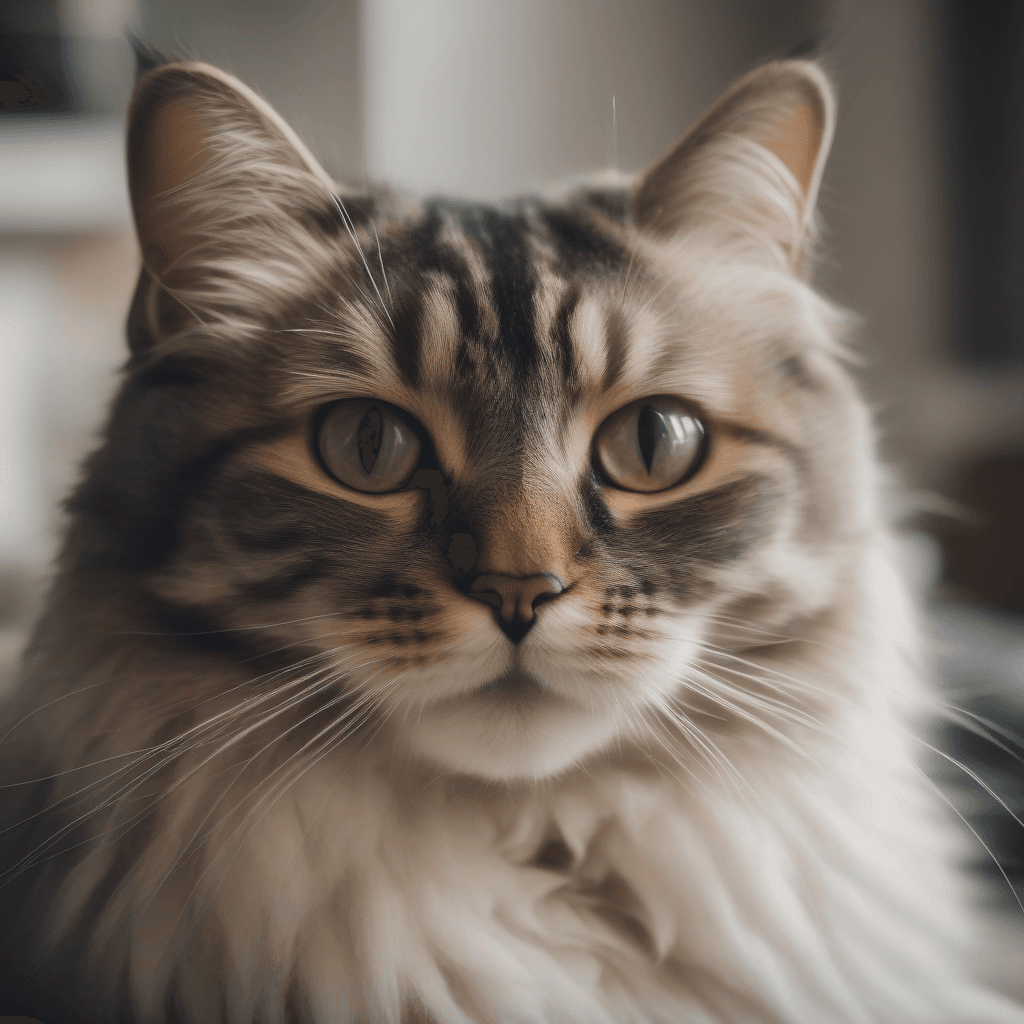
Feline fur typically consists of two main layers: the guard coat (topcoat) and the undercoat. The guard coat comprises longer, coarser hairs that reflect sunlight, reducing direct heat impact. Simultaneously, they can allow wind or air currents to reach the skin surface, facilitating cooling through evaporation.
The undercoat, on the other hand, is shorter, finer, and denser. These fine hairs act as an insulating layer, trapping warm air around the skin. In cold weather, this trapped air helps maintain the cat's body heat. In warm weather, the insulation created by this air layer makes it harder for external heat to reach the skin, allowing the cat to stay cooler.
Seasonal Coat Changes: Nature's Intelligent Design
Many cat breeds undergo seasonal shedding cycles. This isn't just an aesthetic change; it's an adaptation of their thermoregulation mechanisms. The dense winter coat shed in spring is replaced by finer summer fur, preventing the cat from overheating. In autumn, a thicker, denser coat develops to provide better protection against colder weather.
This coat shedding process is vital for the cat's overall health and comfort. Excessive shedding or a lack of hair growth can be indicators of underlying health issues.
The Role of Fur in Skin Health and Protection
Beyond regulating temperature, fur also protects a cat's skin from external factors. This protective shield forms the first line of defense against scratches, cuts, and even some parasites.
Importance of Grooming and Coat Care
Cats, by nature, groom themselves by licking. This licking action not only maintains their fur but also distributes skin oils and removes dead hair. This process ensures the fur functions optimally.
Regular brushing not only aids in your cat's grooming but also stimulates blood circulation, promoting skin health. For long-haired cats in particular, brushing prevents matting and allows for better air circulation to the skin, preventing potential skin problems.
Moisture and Water Repellency
Some cat breeds' fur possesses mild water-repellent properties. This can help prevent hypothermia in brief exposures, such as in the rain or damp environments, by delaying skin wetting. However, it's important to remember that most domestic cats dislike water, and prolonged soaking can significantly affect their comfort.
Factors Affecting Fur Health
Keeping your cat's fur healthy and functional depends on a range of factors. Understanding these factors can help you better manage your companion's overall health.
Nutrition: The Building Block of Fur
Proteins and fatty acids, the primary building blocks of your cat's fur, must be supplied through a balanced and high-quality diet. Being aware of your cat's hidden protein need directly impacts not only their overall health but also their fur health. Choosing foods with the right amino acid and fatty acid profile, going beyond just the food label, is key to shiny, healthy fur. A quality diet also helps maintain your cat's skin's moisture balance, increasing the resilience of their fur structure.
Genetics and Breed Factors
Each cat breed has its unique fur structure, length, and density. For instance, Sphynx cats are almost hairless, while breeds like the Maine Coon have much denser and longer fur. These genetic differences directly influence their thermoregulation needs and grooming requirements.
Environmental Factors and Stress
External factors can significantly impact a cat's fur health. Overly humid or dry environments, sudden temperature changes, or exposure to allergens can disrupt the fur's structure. Furthermore, stress can negatively affect a cat's overall health, leading to hair loss or dullness. Similar to what is mentioned in the article your dog's hidden scent world: invisible stressors at home and the art of creating sensory comfort zones, cats are also sensitive to environmental stressors, which can manifest in their fur health.
Conclusion: Beyond the Fur
Your cat's fur is more than just an element that enhances their cuteness; it's an integral part of their physiology. It serves numerous vital functions, from thermoregulation to skin protection. Understanding this mysterious world beneath their fur allows you to better support your companion's health and comfort. If you notice significant changes in your cat's fur texture, excessive shedding, or dullness, it's important to consult a veterinarian. Remember, healthy fur is a sign of a happy and healthy cat.