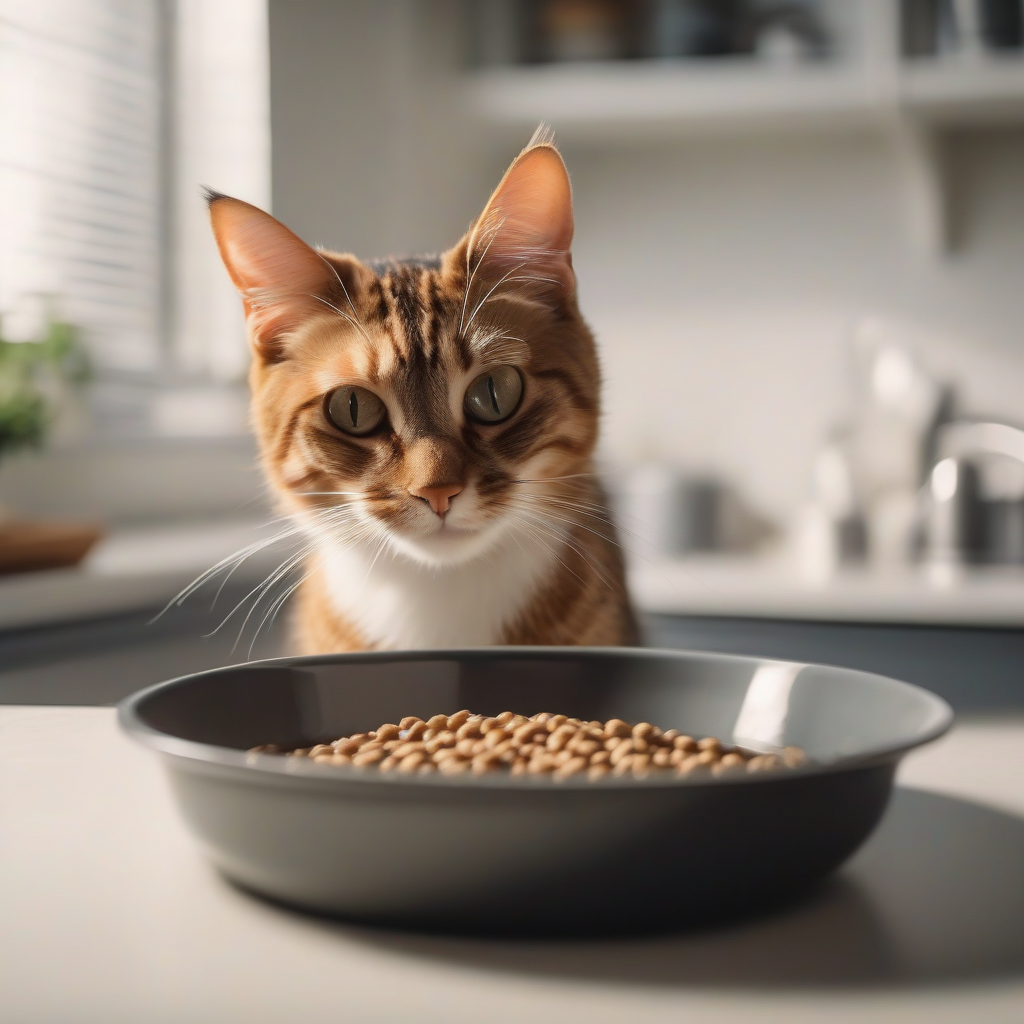
In this article, you will learn about the hidden effects of dry food diets on cats' urinary tract health and the secrets to preventing these dangers.


In this article, you will discover the 5 insidious neurobiological effects of the Encephalitozoon Cuniculi parasite, which is often overlooked in rabbits but severely affects the brain, along with lifesaving early diagnosis methods.

In this article, we will deeply explore the insidious neurobiological effects of gut microbiome imbalance (dysbiosis) on your rabbit's brain health and provide scientific-based solutions to maintain mental vitality.

In this article, you can find comprehensive information on how pancreatitis in dogs not only affects the digestive system but also insidiously impacts the brain, its neuroinflammatory mechanisms, and lifesaving emergency intervention strategies.
As of March 2026, there's a common and often overlooked nutritional issue faced by pet owners: the silent threat that feeding cats dry food poses to their urinary tract and kidney health.
As veterinarians, we witness many cat owners exclusively feeding their cats dry food. While this habit may seem practical and economical initially, it can lead to serious health problems when considering cats' unique physiology and nutritional needs. Particularly, urinary tract health is at great risk if cats do not consume adequate water. In this article, we will delve into the potential dangers caused by dry food and reveal the scientific nutritional secrets you need to know to ensure your cat has a healthy urinary tract for life.
Cats, through their evolutionary process, originated from desert environments. This means they have adapted to meet their water needs from their prey, which are moist and contain high levels of water. Today, many cat owners overlook this fundamental biological need by feeding their cats dry food. While the water content in dry food is typically below 10%, the water content in wet food can reach 70-80%. This vast difference directly impacts the cat's overall water intake.
Cats naturally tend to drink little water. If their diet consists solely of low-moisture dry food, their bodies remain chronically dehydrated. The effects of this on the urinary tract are:
Protecting your cat's urinary tract health is possible with simple yet effective dietary adjustments. Here are scientifically recommended approaches:
High-quality wet food should be the primary source of nutrition for your cat. Wet food is closest to a cat's natural dietary habits and covers a significant portion of their required water intake. Trying different brands and flavors increases your cat's dietary variety and reduces dependence on a single food.
Cats are often reluctant to drink water because their bladders are small, and they prefer not to urinate frequently. Therefore, placing water bowls in different locations (away from the food bowl, in quiet and accessible corners) can be beneficial. Additionally, trying different water bowl materials that might attract your cat's interest (ceramic, stainless steel) or even a water fountain can be helpful. Many cats find running water more appealing.
If your cat is having difficulty transitioning to entirely wet food, offering high-moisture canned food in gravy or chunks as snacks or additions to main meals can be a solution. This will encourage extra water intake.
If your cat has a history of urinary tract issues, your veterinarian may recommend specially formulated prescription diets. These diets can help balance urine pH, facilitate the excretion of certain minerals, and reduce inflammation. It is crucial to transition to such diets under veterinary supervision.
Instead of completely eliminating dry food, significantly reducing its quantity can also be a solution. While the remaining dry food encourages chewing, ensuring that the majority of meals consist of wet food should be prioritized. Using dry food as an occasional treat or mixing it with wet food can also be a strategy.
Besides nutrition, other factors influence your cat's urinary tract health. These include:
In conclusion, feeding your cat dry food can be a trap. However, you can easily overcome this trap by applying scientific nutritional principles and understanding your cat's physiological needs. Re-evaluate your cat's dietary habits to improve their quality of life and prevent long-term health problems. Remember, their health is in your hands!
Related Articles:
