
In this article, you will learn about the 5 unknown early signs of sodium ion poisoning in cats, its causes, and emergency intervention strategies. Critical information to save your companion's life.

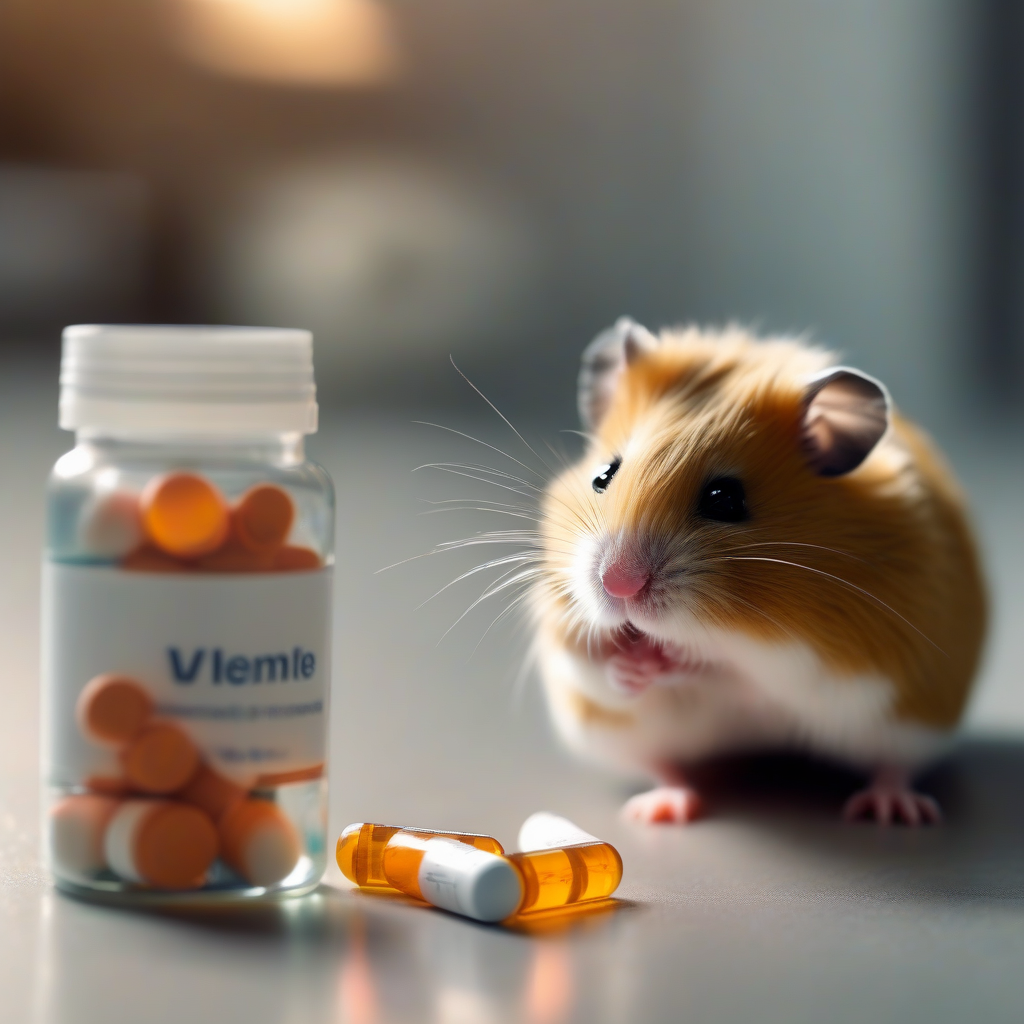
In this article, you will find comprehensive information on the insidious neurotoxic effects of household drug poisoning on the hamster's brain, its symptoms, and emergency intervention strategies that can save your tiny friend's life.

This article deeply explores 5 insidious neurobiological effects of gut microbiome imbalance on bird brain function, mood, and behavior, along with scientific solutions for mental vitality.

Discover the hidden enemy behind training failures: the insidious effects of cortisol on your dog's brain and its destructive consequences on learning. Find the keys to ensuring a faster, more lasting, and happier learning process by scientifically reducing your dog's stress levels.
In March 2026, our knowledge of pet health continues to evolve. However, some dangers remain elusive and difficult to detect. One condition that cat owners often overlook, yet can have fatal consequences, is sodium ion (salt) poisoning. While cats may not be as prone to salt consumption as dogs, they can face this danger in certain situations. So, how can you recognize this hidden 'code of destruction' that could threaten your cat's life?
Sodium is an essential electrolyte for balancing bodily fluids, nerve transmission, and muscle function. However, when consumed in excess, it can cause severe damage, especially in animals with small metabolisms like cats. Sodium poisoning in cats typically occurs in the following situations:
The symptoms of this poisoning can be vague initially and mistaken for other health issues. However, early detection is life-saving. Here are 5 critical signs to watch out for:
If you notice one or more of these symptoms in your cat, seeking immediate veterinary attention is crucial. Every second counts.
This is the most important step. Calmly and clearly inform your veterinarian about your cat's condition. Provide information about potential salt intake.
Your veterinarian will administer intravenous fluids (usually dextrose saline) in a controlled manner to balance your cat's sodium levels. Giving too much water too quickly can worsen cerebral edema. Therefore, this intervention must be performed by a veterinarian. This process requires a similar level of sensitivity as electrolyte imbalances described in articles like Your Fish's 'Hidden Ion Sea': 5 Deadly Signs of Electrolyte Imbalance in Aquariums and Lifesaving Scientific Intervention!.
Your veterinarian will prescribe appropriate medications to control symptoms such as vomiting, diarrhea, or seizures. For instance, anticonvulsants may be used for seizure control.
Your cat's electrolyte levels will be monitored regularly through blood tests. They may need to remain under veterinary observation until their sodium levels return to normal.
After your cat's recovery, preventing future risks is essential. Remove salty human foods from your countertops, store cleaning products safely, and ensure your cat always has access to fresh, clean water. Establishing a balanced diet consistent with your cat's Hidden Metabolic Clock will also support their overall health.
Being aware of your cat's health requires vigilance against even the rarest types of poisoning. Sodium ion poisoning is a condition that can progress silently and requires immediate intervention. Never overlook unusual changes in your cat's behavior. Early diagnosis and correct scientific intervention can protect your companion from this hidden danger. Remember, your cat's health is in your hands!
