
In this article, you will discover the vital importance of protein for cats, not just in quantity, but in its quality and amino acid profile, along with often-overlooked details. Explore scientific nutritional strategies for your tiny friend's health, energy, and longevity.


Discover the neurobiological signals of hidden stress your newly adopted cat experiences during adaptation to a new social environment. This article reveals 5 insidious signs of your cat's silent struggle and scientific strategies for peaceful, long-term harmony.

Your dog's anal sacs, located beneath the tail, can be hidden alarm bells often overlooked but profoundly affecting their quality of life. In this article, you will discover the 5 insidious neurobiological effects of anal sac problems on the brain and the lifesaving care secrets you need to know for your furry friend to live a peaceful life.
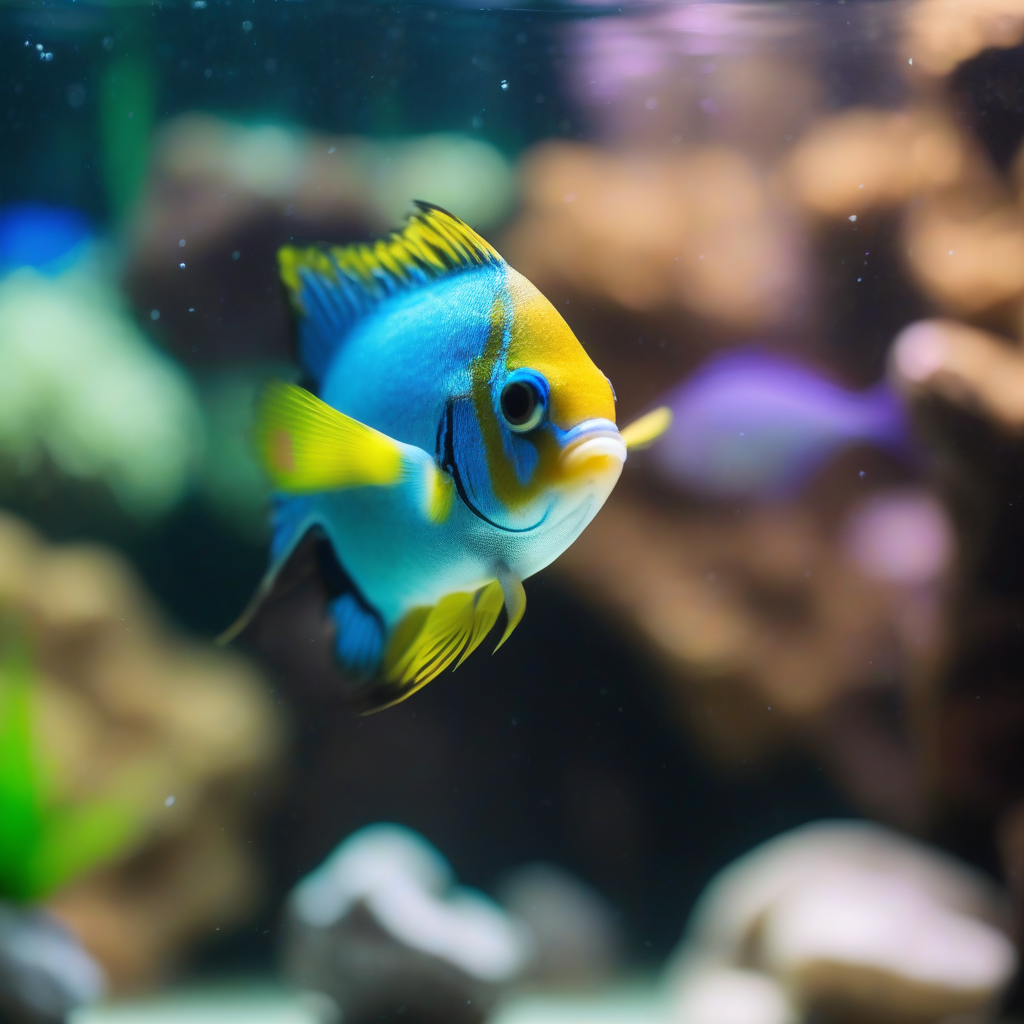
In this article, you will find comprehensive information on the insidious neurotoxic effects of heavy metal poisoning in aquarium fish, its symptoms, and lifesaving emergency intervention codes. This condition, which can arise from household water sources, improper equipment, or neglect, can severely threaten your fish's quality of life and lifespan.
Cats, known for their carnivorous nature, are creatures whose diet centrally features protein. However, many cat owners, while considering only the quantity of protein important, often overlook its quality and amino acid profile. As of March 2026, the latest scientific findings in pet nutrition reveal that these in-depth aspects of protein are critically important for our felines' health, energy, and longevity.
Cats are biologically 'obligate carnivores', meaning they are strictly meat-eaters. This implies that they must meet most of their nutritional needs from animal sources. Their digestive systems and metabolism are adapted to a diet high in protein, moderate in fat, and low in carbohydrates. This adaptation also brings specific amino acid requirements. For instance, while many mammal species can synthesize some amino acids in their bodies, cats must obtain them through their diet. This necessitates that these building blocks, known as 'essential amino acids', are present in sufficient and balanced amounts in their diet.
Protein quality is a measure indicating how efficiently the protein in a food can be utilized by the body. This is determined by two main factors:
It's not enough for a protein to merely have a high biological value; it must also meet all of your cat's essential amino acid needs in the correct proportions. Some particularly important essential amino acids for cats include:
Insufficient or imbalanced intake of these amino acids can profoundly affect your cat's health in the long run.
For your cat's optimal health, you should prioritize high-quality, animal-derived proteins in their diet. The most ideal protein sources include:
When choosing cat food, read the ingredient list carefully. Make sure animal protein sources like 'chicken meal' or 'beef meal' are listed first. Plant-based proteins such as 'corn gluten' or 'wheat gluten' may not fully meet your cat's needs and can lead to long-term nutritional deficiencies.
Signs of insufficient or low-quality protein intake in your cat may not appear immediately but can manifest over time:
The role of protein in your cat's diet is more than just filling their stomach. High-quality proteins with a balanced amino acid profile are indispensable for the proper functioning of every cell, strong muscles, a shiny coat, a sharp mind, and resistance to diseases. When choosing cat food, focusing on the source and quality of the protein, in addition to the protein percentage on the label, will be key to your tiny friend living a healthier and happier life. Remember, the right nutritional strategy should be developed in consultation with your veterinarian.
