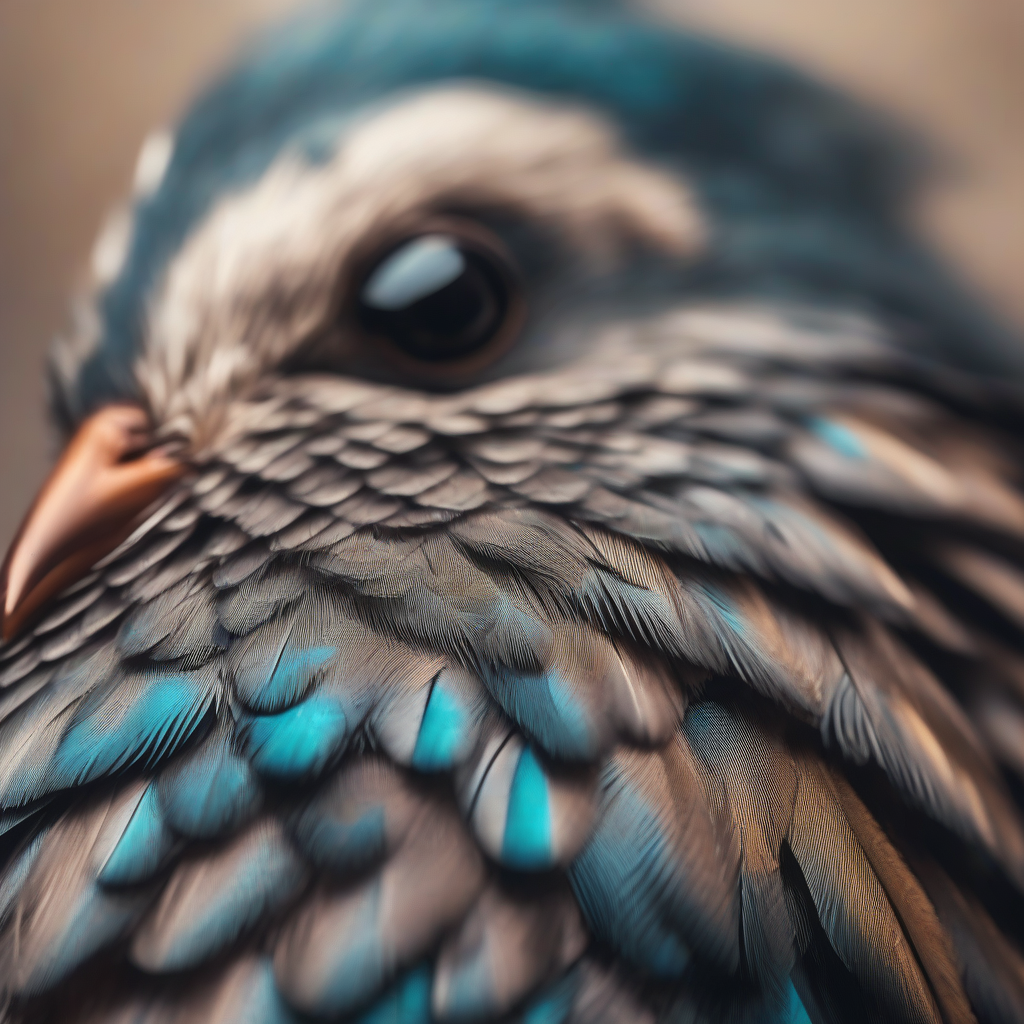
In this article, you will find comprehensive information about the effects of birds' sense of smell on their living spaces, the role of pheromones, and the behavioral codes of their environmental sensitivity.


In this article, we will deeply explore the insidious neurobiological effects of gut microbiome imbalance (dysbiosis) on your rabbit's brain health and provide scientific-based solutions to maintain mental vitality.

In this article, you can find comprehensive information on how pancreatitis in dogs not only affects the digestive system but also insidiously impacts the brain, its neuroinflammatory mechanisms, and lifesaving emergency intervention strategies.

Discover the 5 insidious effects of overfeeding, one of the most stealthy threats to your fish's health, causing neurometabolic destruction in their brains, and learn scientific feeding strategies to prevent this demise. Uncover the silent danger in your aquarium!
While the world of pet birds is often perceived through visual and auditory stimuli for humans, their true life experiences are largely shaped by scents and pheromones. Knowing that birds not only possess excellent vision and hearing but also have a highly developed sense of smell is a revolutionary step in understanding them. In this article, we will delve deep into the invisible pheromone wars in birds' living spaces, the impact of their sense of smell on their behavior, and the scientific codes of their environmental sensitivity.
Pheromones are volatile organic compounds that transmit chemical signals between individuals of the same species, influencing their behavior and physiological states. In birds, pheromones play a critical role in both inter-individual communication and the determination of general well-being.
These invisible chemical messages are effective across a wide spectrum, from helping birds recognize each other to their mate selection processes, from danger perception to the establishment of social hierarchies.
Changes in pheromone concentrations in a bird's environment can directly affect its stress levels, social acceptance, and even dietary habits. For example, calming pheromones can help a bird feel more relaxed and secure, while pheromones released in stressful environments can lead to tension and unease. Therefore, when arranging a bird's living space, neglecting pheromone balance is of vital importance.
A bird's living space is more than just a physical area; it is a complex scent landscape. Birds use this scent map to perceive their surroundings, detect dangers, find food sources, and even define their territories. The size of a cage, the materials of its accessories, their placement, and even the cleaning routine can all affect this scent landscape.
For instance, the scents emitted by certain plants or natural materials can create a calming or alerting effect in birds. The odors of chemicals used for cage cleaning can be extremely irritating to birds and lead to respiratory problems. Adopting an approach that supports natural scents and minimizes synthetic ones when organizing your bird's cage and its surroundings is critical for its well-being.
Birds' environmental sensitivity is highly attuned not only to physical changes but also to olfactory alterations. A new scent can trigger various behavioral responses in a bird, such as fear, curiosity, or a desire to explore. These responses are part of the bird's survival strategy.
If your bird has suddenly become more cautious, fearful, or aggressive towards its surroundings, one of the underlying reasons might be a change in its olfactory perception of the environment. For example, the scent of a neighbor's pet animal seeping into the house or the smell of a new cleaning product can cause significant stress in a bird.
At this point, understanding the effects of sound and smell senses on animals, similar to our article titled Your Bird's 'Invisible Sensory Architects': Scientific Codes of Sound and Scent Landscape in the Home Environment!, will help you correctly interpret your bird's behavioral signals.
Remember that your bird's well-being is not limited to meeting its physical needs. Understanding their invisible world of scents and arranging their living spaces accordingly is indispensable for their mental and emotional health. By managing these invisible battles, you can build a deeper and healthier bond with your bird.
