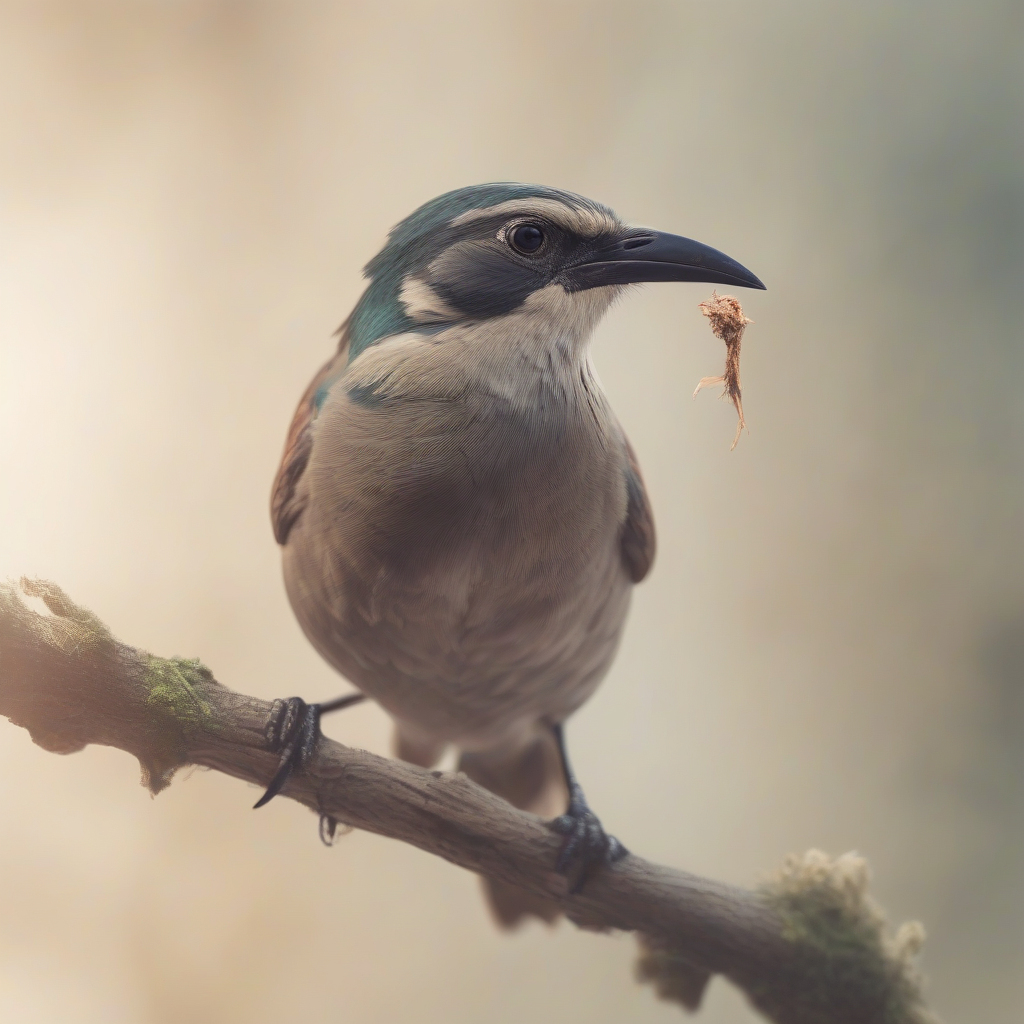
Your bird's beak health is a more complex and critical issue than commonly perceived. In this article, you will discover the scientific secrets of beak structure, stealthy wear mistakes, and 5 scientific care strategies you should implement for a healthy beak throughout its life.


In this article, we will deeply explore the insidious neurobiological effects of gut microbiome imbalance (dysbiosis) on your rabbit's brain health and provide scientific-based solutions to maintain mental vitality.

In this article, you can find comprehensive information on how pancreatitis in dogs not only affects the digestive system but also insidiously impacts the brain, its neuroinflammatory mechanisms, and lifesaving emergency intervention strategies.

Discover the 5 insidious effects of overfeeding, one of the most stealthy threats to your fish's health, causing neurometabolic destruction in their brains, and learn scientific feeding strategies to prevent this demise. Uncover the silent danger in your aquarium!
Your bird's beak structure is far more than just a feeding tool; it's a complex biological marvel. Serving countless functions from cracking food to preening, climbing, and carrying objects, the beak is a dynamic organ that continuously grows and wears down. However, this often-overlooked 'invisible architecture' can lead to stealthy problems due to improper care or environmental deficiencies. As of March 2026, the latest research in veterinary science once again highlights how vital beak health is for avian well-being. In this article, we will delve into the hidden wear mistakes threatening your bird's beak health and the 5 scientific care secrets you must implement for a strong, healthy beak throughout its life.
A bird's beak is composed of a hard protein layer called keratin, and like our nails, it grows continuously. In nature, birds naturally wear down their beaks through activities such as foraging, climbing, nest building, and defending against predators. This constant cycle of growth and wear ensures the beak maintains its ideal length and form. In pet birds, these natural wear mechanisms are often insufficient. Improper nutrition, unsuitable cage accessories, or a living environment lacking environmental enrichment can cause the beak to overgrow, crack, peel, or become susceptible to infections. These stealthy mistakes often go unnoticed until symptoms emerge, significantly reducing your bird's quality of life.
The underlying causes of beak problems are usually multifactorial. Genetic predispositions, nutritional deficiencies (especially calcium and vitamin D3), liver diseases, or trauma can lead to beak deformities. However, one of the most common problems is the lack of natural wear opportunities. Birds keep their beaks in shape by rubbing, chewing, or processing food on materials of varying hardness. Monotonous feeding or the absence of sufficient chewing materials can lead to disproportionate beak growth, and even weaken the chewing muscles. Over time, this can make food consumption difficult, leading to nutritional deficiencies and, in advanced cases, pain.
To maintain your bird's beak health, it is essential to adopt a proactive and scientifically based approach. Here are 5 critical steps you should implement:
Enrich your bird's living space with various objects that allow it to naturally wear down its beak and keep it engaged. Natural tree branches (from non-toxic species), mineral blocks, calcium perches, and chewing toys are indispensable. These materials help shape the beak while also contributing to your bird's cognitive and behavioral enrichment. Remember, Your Bird's 'Invisible Enclosure': Scientific Secrets of Cage Size and Interior Design on Behavioral Well-being! directly affects not only feather and wing health but also beak health.
Beak health is directly related to your bird's nutritional status. A high-quality pellet-based diet should be supplemented with fresh vegetables and fruits. Particularly, calcium and vitamin D3 are critical minerals for beak hardness and healthy growth. Inadequate nutrition can cause the beak to weaken, peel, and become brittle. Considering the information in our article Your Bird's 'Hidden Synthetic Danger' Alarm: 5 Stealthy Toxins Lurking in Feed and Scientific Avoidance Methods, choosing nutrient-rich and toxin-free feed is also vital for beak health. Furthermore, you can learn about rare minerals that support beak structure by checking out Your Bird's 'Hidden Micro-Nutrient Crypto': Scientific Secrets of 5 Rare Minerals Beyond Feed That Prevent Diseases.
Adequate humidity is crucial for maintaining a healthy beak and preventing cracks. Dry environments can cause the beak to dry out and become sensitive. Regular bathing or misting helps maintain the beak's moisture balance. Additionally, the temperature and humidity levels of the cage environment affect your bird's overall well-being and, consequently, its beak health.
Regularly checking your bird's beak is key to detecting potential problems early. Abnormal growth, discoloration, cracks, peeling, or tissue changes should be evaluated by a veterinarian. Your bird's overall health, as discussed in general care routines like Your Bird's 'Invisible Feather Struggle': The Scientific Secrets Behind Molting and 5 Critical Care Protocols for Lustrous Feathers, is closely related and can affect beak health.
If you notice that the beak is overgrown, deformed, or observe changes in your bird's eating and drinking habits, consult a veterinarian immediately. Professional beak trimming or shaping is a specialized procedure that, if done incorrectly, can cause bleeding, pain, or permanent damage. Your veterinarian can diagnose the underlying cause of beak problems and determine the appropriate treatment plan. Remember, even games that provide mental activity, such as those described in Your Bird's 'Silent Intelligence Pyramid': Scientifically Boost Problem-Solving Skills 5-Fold with Games!, can encourage natural chewing and exploratory behaviors that support beak health.
Your bird's beak is a mirror of its health and well-being. The care given to this 'invisible architecture' is vital for your bird to live a long, happy, and pain-free life. By implementing the scientific care secrets mentioned above, you can protect your bird's beak from stealthy mistakes and provide it with the best possible care. Remember, regular observation and early veterinary intervention are the most effective ways to prevent potential serious problems.
