In this article, you will learn about the profound effects of circadian rhythms and photoperiodism on our pets' behavior, mood, and overall health in the Spring 2026 season, how they can adapt to these changes, and maintain their vitality.


Discover the neurobiological signals of hidden stress your newly adopted cat experiences during adaptation to a new social environment. This article reveals 5 insidious signs of your cat's silent struggle and scientific strategies for peaceful, long-term harmony.

Your dog's anal sacs, located beneath the tail, can be hidden alarm bells often overlooked but profoundly affecting their quality of life. In this article, you will discover the 5 insidious neurobiological effects of anal sac problems on the brain and the lifesaving care secrets you need to know for your furry friend to live a peaceful life.
In this article, you will find comprehensive information on the insidious neurotoxic effects of heavy metal poisoning in aquarium fish, its symptoms, and lifesaving emergency intervention codes. This condition, which can arise from household water sources, improper equipment, or neglect, can severely threaten your fish's quality of life and lifespan.
As of March 2026, the freshness of spring and the energy of longer days are entering our lives with the awakening of nature. However, this change brings significant biological and behavioral adaptations not only for us humans but also for our beloved pets. Longer days, brighter sunlight, and increased outdoor activities deeply affect our pets' internal clocks, known as circadian rhythms, and their light-sensing systems, called photoperiodism. As a veterinary content strategist, WikiPet explores pets' spring adaptation processes from a scientific perspective and offers a comprehensive guide for them to navigate this transition period healthily, happily, and vibrantly.
Circadian rhythms are the biological processes in living organisms that repeat in approximately 24-hour cycles. Many physiological and behavioral processes, such as the sleep-wake cycle, hormone secretion, body temperature, metabolism, and even mood, are regulated by these rhythms. In pets, these rhythms are influenced by external factors like light, darkness, feeding times, and activity levels, and they are critically important for their overall health and well-being. The secretion of hormones like melatonin and cortisol, in particular, is directly related to the light and dark cycle, playing a key role in our pets' hormonal balance and mental health.
Photoperiodism is the physiological and behavioral response of organisms to changes in daylight duration. With the lengthening of days in spring, our pets' brains perceive this increased light exposure and trigger a series of adaptation processes in their bodies. This can affect not only well-known changes like reproductive cycles or shedding but also energy levels, appetite, sleep patterns, and even social tendencies. More light can reduce melatonin production, causing pets to feel more active and awake.
With the arrival of March, you may observe the following changes in your pets:
Longer days can increase your pets' desire to spend more time outdoors and play. While generally positive, this can lead to excessive energy and restlessness in some animals. To cope with this new energy, it will be beneficial to refer to behavioral adaptation and mental revitalization guides.
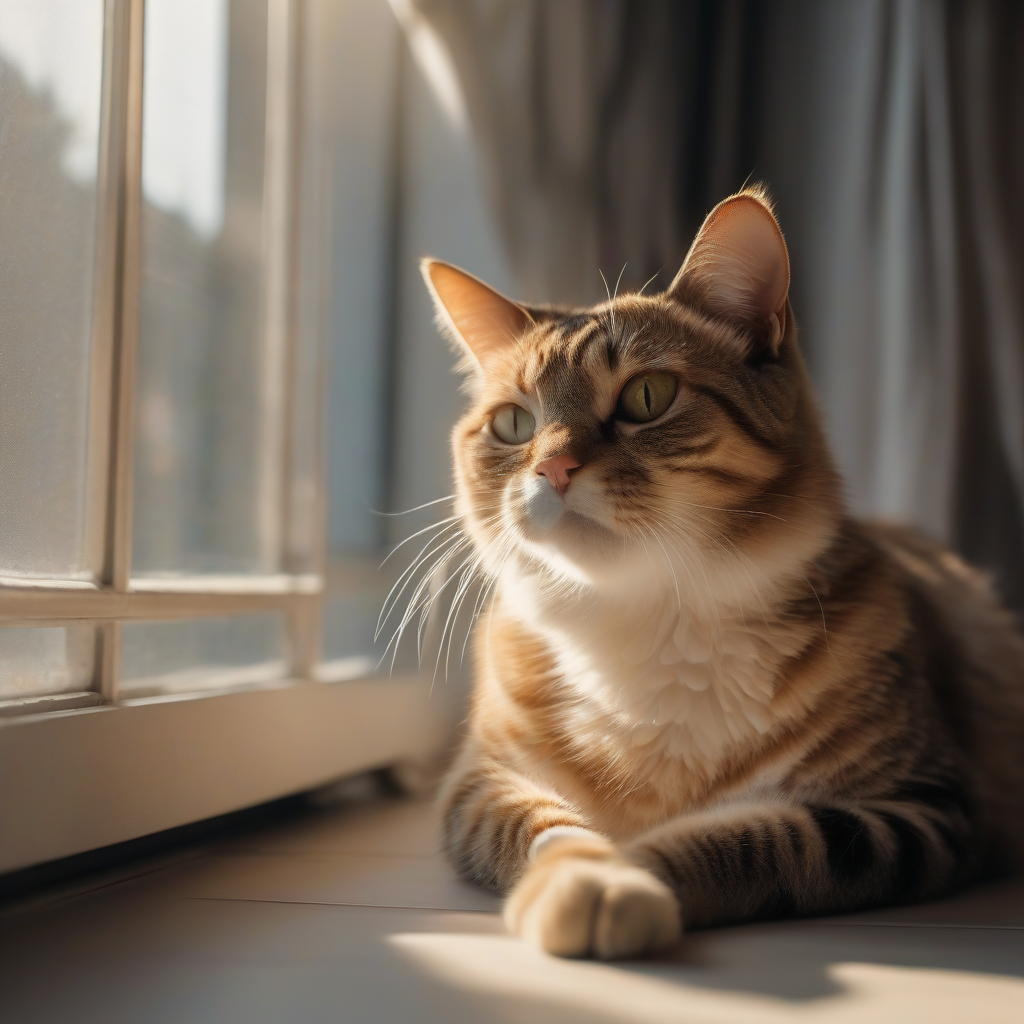
More daylight and environmental stimuli (birdsong, neighbor activities, etc.) have a direct impact on your pets' normal energy levels and sleep patterns. They may start sleeping less at night and needing more short naps during the day. Indoor cats, in particular, may wake up early due to light coming through the window.
Increased activity levels and changing metabolic rates can affect your pet's appetite. Some may need more energy, while others may experience a lack of appetite due to seasonal hormonal changes. Reviewing their feeding program with your veterinarian is important.
Although spring generally brings positive energy, sudden rhythm changes can cause stress or anxiety in some sensitive pets. Animals struggling to adapt to new routines may exhibit restless or anxious behaviors. In such cases, developing strategies for coping with stress and happiness is crucial.
You can take proactive steps to help your pet adapt smoothly to these natural changes:
Scientific advancements in pet health are leading to a deeper understanding of circadian rhythms. In the future, personalized light therapies, smart lighting systems, and nutritional protocols designed for pets' specific needs are expected to become more widespread in rhythm management. These innovations will particularly improve the quality of life for older animals or those with chronic conditions.
Understanding the natural changes in our pets' circadian rhythms and photoperiodism with the arrival of spring in March 2026 is key to supporting their health and well-being. By providing them with a loving, consistent environment and collaborating with your veterinarian, you can help them experience this energetic and revitalizing season to its full potential. Let your pets dance with the light this spring and witness their vitality!
