
In this article, you will learn how to recognize the hidden crisis signals your rabbit exhibits during sudden shock and discover lifesaving emergency response strategies to implement in seconds.


Discover the neurobiological signals of hidden stress your newly adopted cat experiences during adaptation to a new social environment. This article reveals 5 insidious signs of your cat's silent struggle and scientific strategies for peaceful, long-term harmony.

Your dog's anal sacs, located beneath the tail, can be hidden alarm bells often overlooked but profoundly affecting their quality of life. In this article, you will discover the 5 insidious neurobiological effects of anal sac problems on the brain and the lifesaving care secrets you need to know for your furry friend to live a peaceful life.
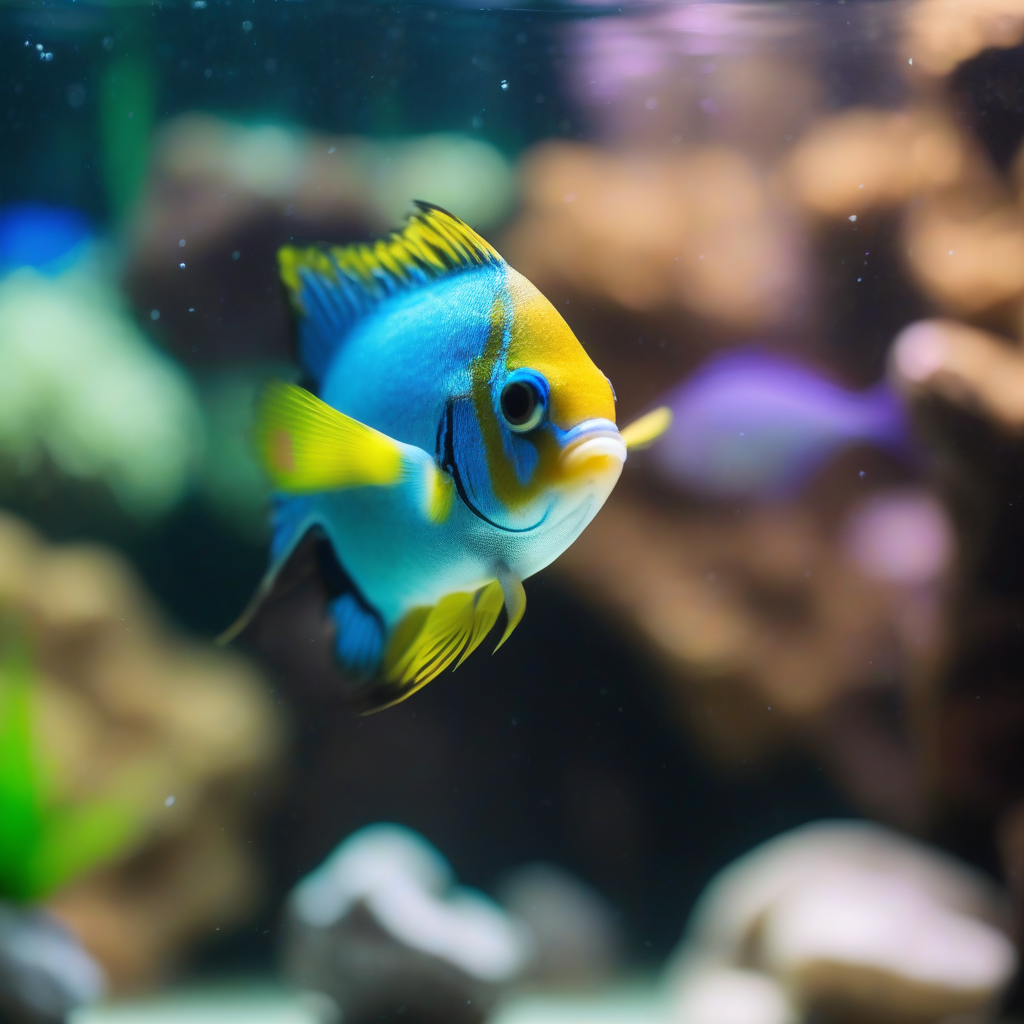
In this article, you will find comprehensive information on the insidious neurotoxic effects of heavy metal poisoning in aquarium fish, its symptoms, and lifesaving emergency intervention codes. This condition, which can arise from household water sources, improper equipment, or neglect, can severely threaten your fish's quality of life and lifespan.
Rabbits are known for their sensitive nature and their tendency to rarely show obvious signs of pain. This makes understanding the 'hidden crisis signals' they exhibit in the face of sudden shock or emergencies critically important. As a rabbit owner, hearing these silent screams can mean the difference between life and death for your beloved pet, allowing you to intervene correctly and in a timely manner.
Sudden shock in rabbits can arise from various causes, including:
These conditions can lead to a physiological collapse in the rabbit's body, triggering sudden shock. Shock is a state where blood circulation drops dangerously low, preventing adequate oxygen supply to the organs.
The following signs may be observed in a rabbit experiencing shock. However, remember that rabbits tend to hide their pain and discomfort, making the rapid recognition of these signs crucial:
If your normally active rabbit suddenly becomes immobile, sitting rigidly in one spot, this is a serious indicator. Delayed responsiveness, a vacant stare, or a general sluggishness can be early signs of shock. Failure to react when petting or calling your companion is concerning.
Respiration rates in rabbits in shock can change dramatically. Their breathing may become rapid, but the breaths might be shallow and insufficient. In some cases, your rabbit may appear to struggle to breathe, slightly opening its mouth or making a visible effort to inhale.
You can check your rabbit's pulse by gently squeezing the thin skin inside their ears or on the inner part of their hind legs. In shock, the pulse may feel very fast and weak, or conversely, excessively slow. An abnormal heart rate is a harbinger of a situation requiring immediate intervention.
Shock diverts blood flow to vital organs, causing a drop in temperature in the extremities. If you notice your rabbit's ears or nose feel cooler than usual and slightly moist, it could be a sign of a systemic issue.
In shock, a rabbit's pupils may dilate, and their eyes may take on a fixed, vacant expression. The sparkle in their eyes might diminish. Slower blinking or eyes remaining partially open are also details to watch for.
Sudden shock can also affect the functions of the digestive system. If your rabbit shows no urge to urinate or defecate, or if their defecation significantly reduces (which for rabbits can indicate a slowing or cessation of the digestive system), this is a serious alarm. You can find more information on fecal health by reviewing our article "The Mystery of Your Rabbit's Cecotropes: Overlooked Lifesaving Nutrition Secrets (March 2026)".
If you observe one or more of the above signs, take immediate action without delay:
Without panicking, approach your rabbit in a calm voice. Gently wrap them in a soft blanket or towel to keep them warm. Avoid sudden movements and loud noises.
This is the most critical step. Describe the situation in detail to your veterinarian and inform them that you are on your way or implementing the described steps. Your vet's instructions will guide you based on the severity of the situation. Immediate professional intervention is essential for a rabbit in shock.
If your veterinarian instructs, you can use a hot water bottle (wrapped in a towel) or a heating pad to gently warm your rabbit. However, ensure your rabbit does not overheat. Regularly check their skin temperature.
Your veterinarian may recommend oral rehydration solutions or subcutaneous fluid therapy depending on your rabbit's condition. Absolutely do not attempt to force-feed or water your rabbit on your own, as this can increase the risk of choking.
If shock progresses, your veterinarian may need to administer oxygen support, medications, or other emergency medical interventions. These interventions should only be performed by professional veterinarians.
Recognizing the 'hidden crisis signals' your rabbit may exhibit during serious situations like sudden shock allows you to provide prompt and correct intervention, potentially saving their life. Remember, every second counts.
