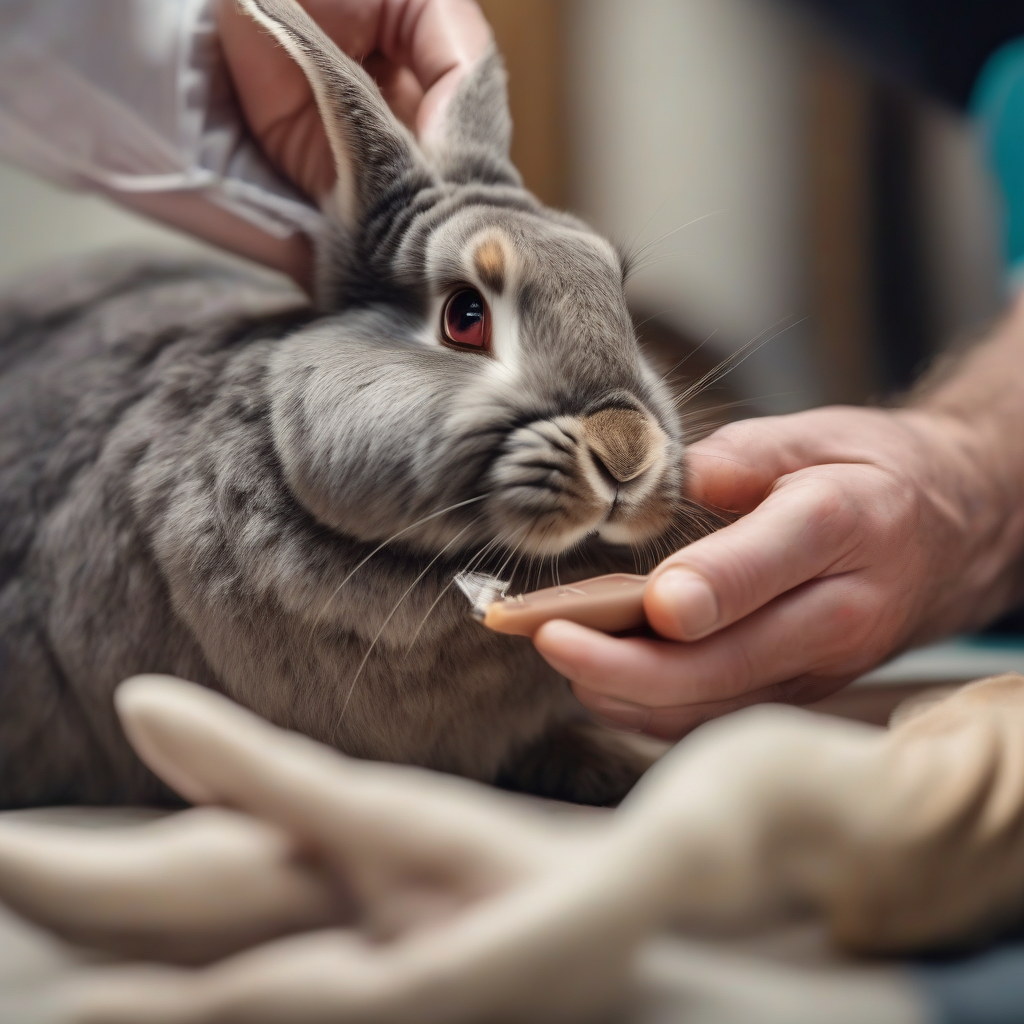
In this article, discover why rabbit nail health should not be overlooked, the hidden dangers of improper trimming, and comprehensive scientific-backed strategies for painless nail care.


In this article, we will deeply explore the insidious neurobiological effects of gut microbiome imbalance (dysbiosis) on your rabbit's brain health and provide scientific-based solutions to maintain mental vitality.

In this article, you can find comprehensive information on how pancreatitis in dogs not only affects the digestive system but also insidiously impacts the brain, its neuroinflammatory mechanisms, and lifesaving emergency intervention strategies.

Discover the 5 insidious effects of overfeeding, one of the most stealthy threats to your fish's health, causing neurometabolic destruction in their brains, and learn scientific feeding strategies to prevent this demise. Uncover the silent danger in your aquarium!
As cherished pets, rabbits bring joy to our lives with their adorable and delicate nature. We meticulously attend to many aspects of their health and well-being, from nutrition and housing to socialization and playtime. However, one crucial aspect of care often overlooked, remaining almost 'invisible,' is nail maintenance. Incorrect or neglected nail trimming can extend beyond a simple aesthetic issue, becoming an 'invisible paw prison' that leads to severe health problems for rabbits. In this article, we will delve into everything from the scientific anatomy of rabbit nails and the insidious dangers of improper trimming to the 5 critical scientific secrets for establishing a pain-free grooming routine.
Unlike human nails, rabbit nails grow continuously. In their natural habitat, activities like digging, running, and climbing help wear them down. For domesticated rabbits, this natural wear is often insufficient. Overly long nails can distort the rabbit's foot structure, altering the angle at which their toes meet the ground. Over time, this abnormal weight distribution can lead to chronic pain and restricted movement in the spine, joints, and muscles. Furthermore, excessively long nails can easily snag and break, causing bleeding, infection, and severe pain.
Long nails cause a rabbit's body weight to shift more heavily onto the soles of their feet, particularly the hock area. This constant pressure and friction significantly increase the risk of pododermatitis, commonly known as 'sore hocks.' Pododermatitis is a serious condition characterized by hair loss, redness, inflammation, and in advanced cases, deep wounds and infections on the paw pads. As highlighted in Your Rabbit's 'Invisible Ear Wars': Detect Hidden Infections and Pain in 5 Minutes!, rabbits tend to hide their pain, making early diagnosis of insidious conditions like pododermatitis vitally important. Long nails can also increase contact with feces, leading to hygiene issues and bacterial growth, further elevating the risk of infection.
Inside each rabbit nail is a living tissue called the 'quick,' which contains blood vessels and nerve endings. Cutting into this area is extremely painful for the rabbit and will cause bleeding. While the 'quick' can be difficult to see in dark-colored nails, it usually appears as a pink line in light-colored nails. Understanding this sensitive region is fundamental to pain-free nail trimming.
As a professional veterinarian and behaviorist, I present 5 scientifically-backed strategies to make rabbit nail care easier and less stressful for both you and your furry friend:
Introducing nail trimming when your rabbit is young helps them acclimate to the routine. Turn each grooming session into a positive experience. Start with short sessions, rewarding your rabbit for successful trims or even just for allowing you to hold their paws. With tasty treats and gentle words, you can strengthen the bond of trust mentioned in Your Rabbit's 'Secret Social Architect': Scientific Secrets to Overcoming Loneliness and Building Deep Bonds!. Rabbits have strong memories, and positive experiences will make future care much easier.
A good quality cat or small dog nail clipper is ideal for rabbit nails. Ensure the clippers are sharp and clean. Always keep styptic powder (blood-stopping powder) or cornstarch handy to stop any bleeding. Create a calm environment with adequate lighting to help relax your rabbit. When trimming dark nails, use a flashlight to better visualize the 'quick'.
Gently hold your rabbit on your lap or on a non-slip surface with their back facing you. Stabilize their paw gently with one hand and cut the nail at a sharp angle, parallel to the ground. Be careful to cut about 1-2 mm in front of the 'quick.' If you are unsure, it is always safer to cut less. By understanding Your Rabbit's 'Invisible Signal Wars': Deciphering the Scientific Codes from Silent Tension to Unexplained Aggression!, you can read your rabbit's stress signals and know if you need to pause or slow down the process.
Rabbit nails generally need trimming every 4-6 weeks, though this can vary based on the rabbit's activity level and genetic predisposition. Regular inspection and trimming prevent excessive overgrowth and stop the 'quick' from extending too far down the nail. If nails are trimmed less frequently, the 'quick' can also grow longer, making subsequent trims more challenging.
Adding uneven, natural surfaces to a section of the cage (e.g., textured tiles, concrete, or special rabbit-friendly scratching blocks) can help your rabbit wear down their nails naturally. This can reduce the frequency of nail trims but does not eliminate the need for them entirely. Natural surfaces can also contribute positively to skin health, as discussed in Your Rabbit's 'Görünmez Hava Kalkanı': Evdeki Sinsi Alerjenler ve Solunum Sağlığını Korumak İçin Bilimsel Sırlar!, by helping paw pads stay healthy and preventing issues related to poor foot hygiene.
If you have concerns about nail trimming, if your rabbit is highly resistant, if their nails are excessively long or misshapen, if you notice signs of pododermatitis (redness, swelling, wounds), or if you accidentally cut the 'quick,' you should consult a veterinarian immediately. Your vet can demonstrate the correct technique and help you create a tailored care plan for your rabbit's specific needs.
Your rabbit's nail health is crucial for their overall quality of life and comfort. Adopting a regular, knowledgeable, and scientifically-based grooming routine is essential to free them from this 'invisible paw prison' and ensure your furry friend lives a long and healthy life. Remember, a little attention can make a big difference.
