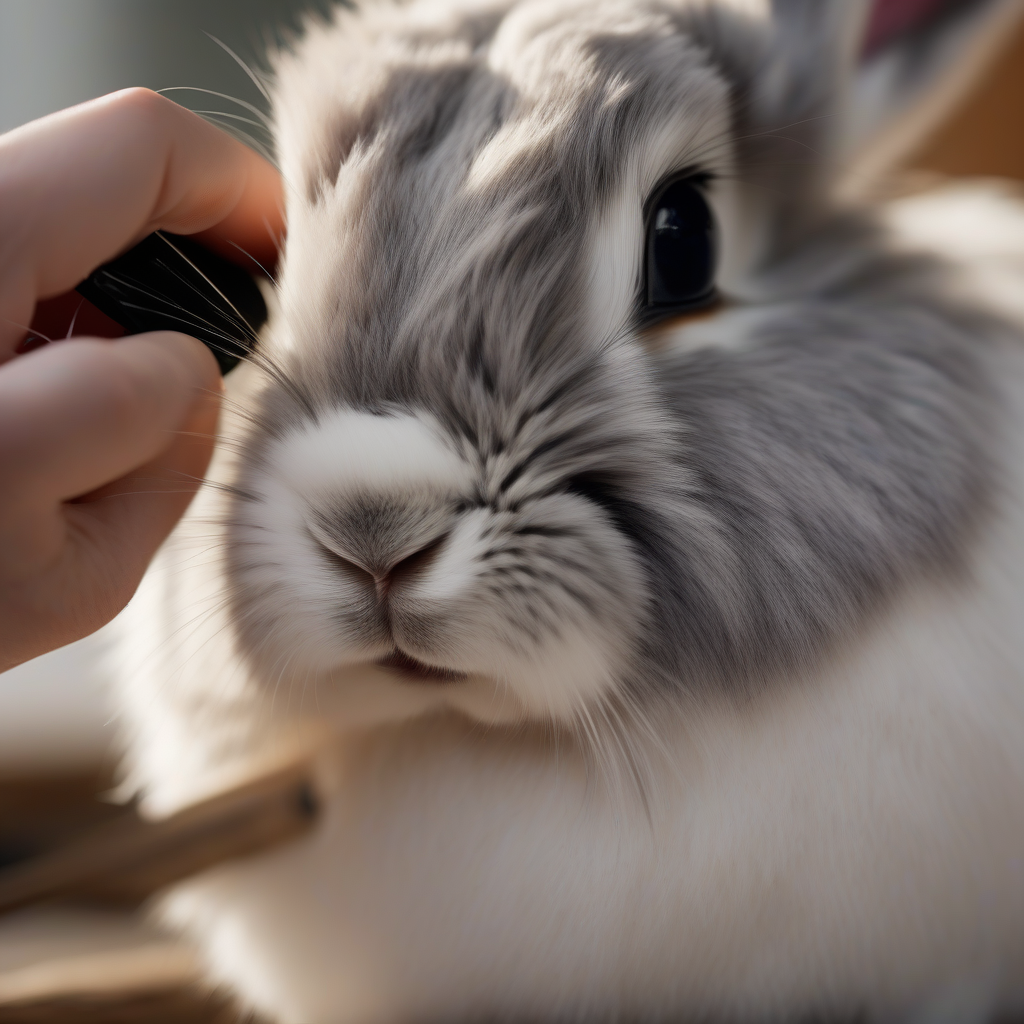
In this article, you will discover that your rabbit's fur care is more than just aesthetics, understanding the importance of hidden skin health beneath the fur, and learning what to pay attention to in 5 scientifically-backed steps for healthy skin and a shiny coat.


In this article, you will discover the 5 insidious neurobiological effects of the Encephalitozoon Cuniculi parasite, which is often overlooked in rabbits but severely affects the brain, along with lifesaving early diagnosis methods.

In this article, we will deeply explore the insidious neurobiological effects of gut microbiome imbalance (dysbiosis) on your rabbit's brain health and provide scientific-based solutions to maintain mental vitality.

In this article, you can find comprehensive information on how pancreatitis in dogs not only affects the digestive system but also insidiously impacts the brain, its neuroinflammatory mechanisms, and lifesaving emergency intervention strategies.
While rabbits are quite adept at self-grooming in their natural habitats, our domestic rabbits require regular and scientifically-backed fur care to lead a healthy and happy life. Often, we associate fur care solely with a beautiful appearance; however, this is merely the tip of the iceberg. The 'hidden skin map' beneath the fur is one of the most crucial indicators of their overall health and well-being. Improper or inadequate fur care can create insidious problems on your rabbit's skin, leading to serious health issues. In this article, we will delve into the scientific secrets behind your rabbit's fur care and the 5 critical steps you need to take for healthy skin.
Rabbit skin is often overlooked because it is covered with fur. Yet, this delicate organ performs many vital functions, from regulating body temperature to being the first line of defense against infections. Rabbit skin is quite thin and fragile, making it more vulnerable to external factors and improper care. A healthy coat of fur protects the skin from UV rays, minor injuries, and sudden temperature changes. However, the skin beneath this protective shield has its own specific care needs. The skin's natural microbiome, moisture balance, and elasticity are as important as the health of the fur. When this delicate balance is disrupted, your rabbit's quality of life can be severely affected.
Improper or neglected fur care can leave serious damage on your rabbit's 'hidden skin map'. These dangers often start insidiously and may go unnoticed until they reach advanced stages:
To keep your rabbit's 'hidden skin map' healthy and enhance its quality of life, follow these scientifically-based steps:
The frequency and type of brush used vary according to the rabbit's fur type. Short-haired breeds should be brushed 1-2 times a week, while long-haired breeds (like Angora) should be brushed daily. Metal-tipped, wide-toothed combs are ideal for detangling mats, while soft-bristled brushes are perfect for collecting loose fur and massaging the skin. Be gentle during brushing, avoid pulling the skin, and use treats to help your rabbit associate this experience with positive feelings. This not only reduces shedding but also cleans dead skin and dirt from the skin, stimulating blood circulation.
Each brushing session is an excellent opportunity to visually inspect your rabbit's entire body. Check for any redness, wounds, scabs, swelling, or signs of parasites on the skin. Pay special attention to areas that can remain damp, such as inside the ears, under the chin, abdomen, and around the tail. Early detection allows for easier treatment of many skin problems.
Maintaining a clean and dry cage or living space for your rabbit is crucial for skin health. Wet or dirty bedding can lead to dermatitis and secondary infections. Ensure a well-ventilated environment where feces and urine do not accumulate. Make sure their hindquarters stay clean and dry; if necessary, apply special hygiene care to this area. Remember, rabbits do not like to bathe; vet-approved dry shampoos or damp cloths should be preferred for local cleaning.
Your rabbit's diet directly affects the shine of its fur and the health of its skin. A high-fiber diet rich in fresh hay and grass helps regulate the digestive system, reducing the risk of hairballs, and supports overall health. As mentioned in the article Your Rabbit's Silent Teeth Wear, proper nutrition is fundamental not only for teeth but for all body systems. Supplements or foods (e.g., flaxseed) containing Omega-3 and Omega-6 fatty acids, with veterinary approval, can improve fur and skin quality.
Rabbits are masters at hiding pain and signs of illness. Therefore, regular veterinary check-ups are vital for the early diagnosis of skin problems and general health issues that might otherwise go unnoticed. Your veterinarian can provide specific care recommendations tailored to your rabbit's fur and skin type, perform parasite control, and administer medical treatments if necessary.
Your rabbit's fur care is not just an aesthetic routine but a comprehensive 'care' strategy that directly impacts its overall health and well-being. Understanding its 'hidden skin map' and providing appropriate care will strengthen the bond between you and your rabbit, helping it lead a long and healthy life. With a scientific approach and regular attention, your rabbit's skin will always remain healthy, and its fur will stay shiny.
