
In this article, you will find comprehensive information about often overlooked bone health issues in hamsters, their symptoms, causes, and secrets to preventing this insidious disease.


Discover the neurobiological signals of hidden stress your newly adopted cat experiences during adaptation to a new social environment. This article reveals 5 insidious signs of your cat's silent struggle and scientific strategies for peaceful, long-term harmony.

Your dog's anal sacs, located beneath the tail, can be hidden alarm bells often overlooked but profoundly affecting their quality of life. In this article, you will discover the 5 insidious neurobiological effects of anal sac problems on the brain and the lifesaving care secrets you need to know for your furry friend to live a peaceful life.
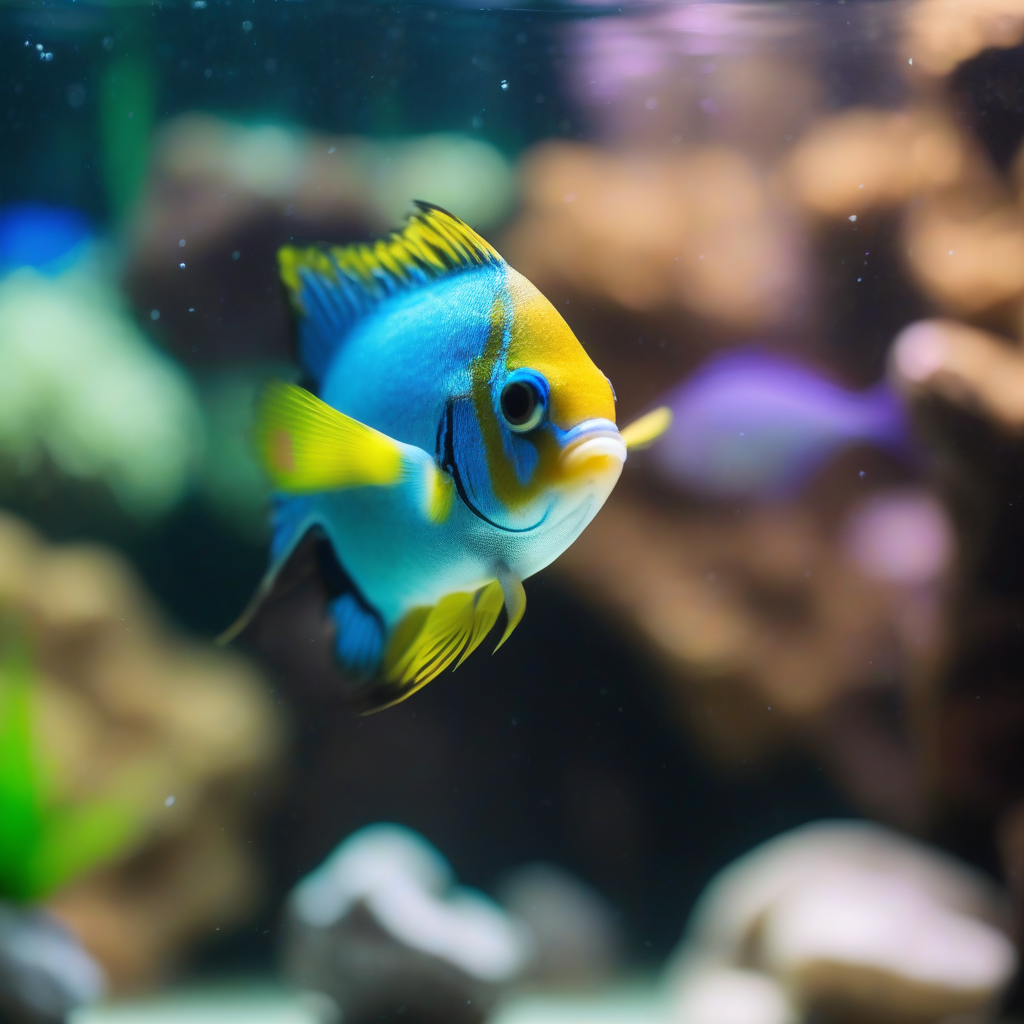
In this article, you will find comprehensive information on the insidious neurotoxic effects of heavy metal poisoning in aquarium fish, its symptoms, and lifesaving emergency intervention codes. This condition, which can arise from household water sources, improper equipment, or neglect, can severely threaten your fish's quality of life and lifespan.
Hamsters, despite their tiny size and energetic nature, can suffer from bone health issues just like larger mammals. However, these problems are often overlooked or attributed to old age. Hidden osteoporosis, which can occur in young and middle-aged hamsters, can lead to serious consequences if not diagnosed and treated correctly. In this article, we will cover everything you need to know to protect your hamster's bone health with the most up-to-date information.
Hamsters' small size makes it easier for them to hide symptoms of illness. Their high physical activity levels mean that mild bone weakness may go unnoticed initially. However, over time, this weakness becomes apparent and can lead to symptoms such as:
Several factors can underlie osteoporosis in hamsters, with poor nutrition being the most significant:
Calcium is the building block of bones. Vitamin D is crucial for the body to absorb calcium. When a hamster's diet lacks sufficient calcium and vitamin D, their bones become weak and brittle. While commercial hamster foods are generally balanced, they can sometimes be insufficient, or hamsters may be picky eaters and avoid these essential nutrients.
Some hamster owners feed their tiny companions human food or inappropriate treats. These types of foods can disrupt a balanced diet, hindering the intake of necessary minerals and vitamins. Foods excessively high in phosphorus, in particular, can disrupt calcium balance.
Certain hamster breeds or individuals may be genetically more susceptible to bone health issues. This can lead to the onset of the disease at an earlier age.
While the focus of this article is on hidden osteoporosis, aging hamsters may also experience a natural decrease in bone density. Additionally, hormonal fluctuations can affect bone health.
Sometimes, underlying health issues such as kidney disease or digestive problems can hinder calcium and vitamin D absorption, negatively impacting bone health. For example, conditions like Diabetes in Hamsters: Understanding the Silent Threat and Life-Extending Management Strategies (March 2026) can affect overall metabolism and indirectly impact bone health.
Protecting your hamster's bone health requires a comprehensive approach:
In conclusion, while hidden osteoporosis in hamsters is a serious issue, it is possible to prevent this danger and ensure your tiny friend lives a long, healthy life through conscious care and regular veterinary check-ups. Remember, you will always receive the best advice from your veterinarian.
