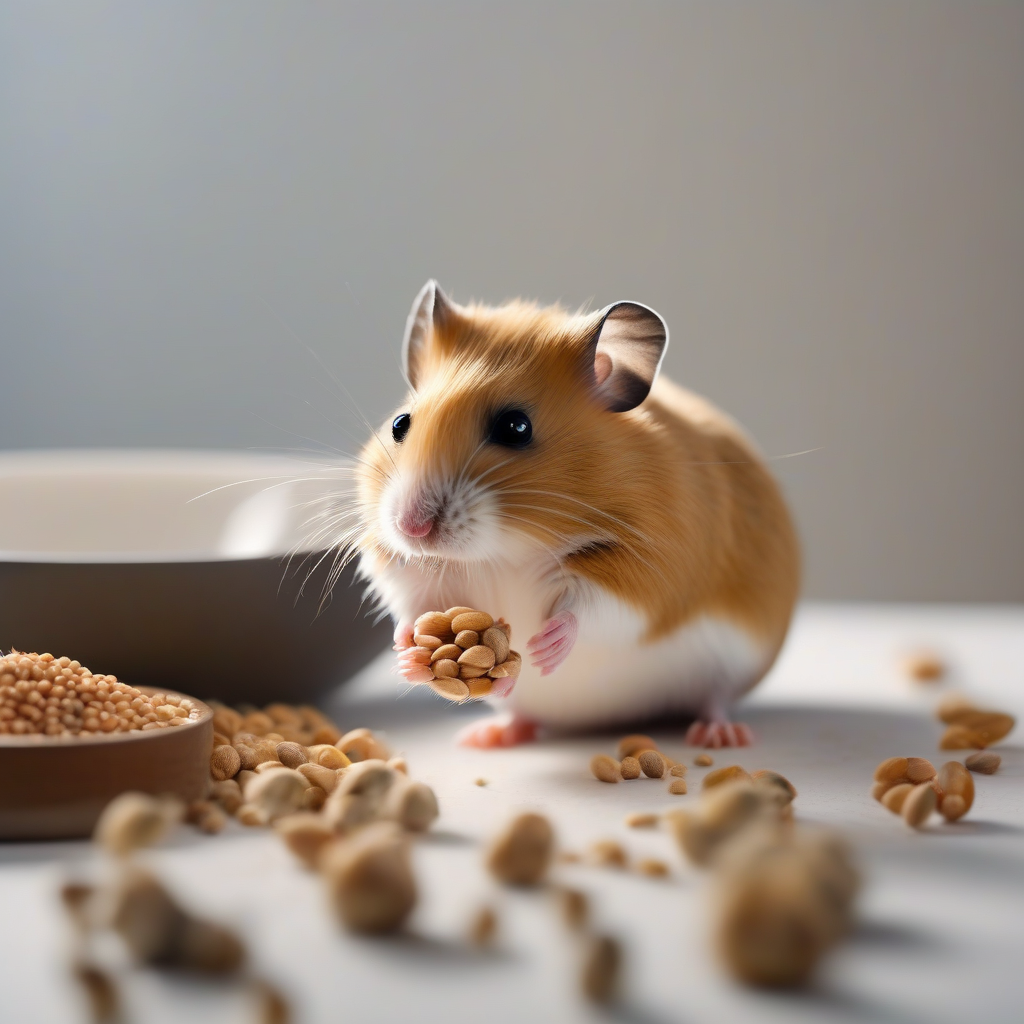
In this article, you'll find comprehensive information on 5 scientific feeding strategies to understand and control your hamster's tendency to overeat and methods for reprogramming their metabolism.


In this article, we will deeply explore the insidious neurobiological effects of gut microbiome imbalance (dysbiosis) on your rabbit's brain health and provide scientific-based solutions to maintain mental vitality.

In this article, you can find comprehensive information on how pancreatitis in dogs not only affects the digestive system but also insidiously impacts the brain, its neuroinflammatory mechanisms, and lifesaving emergency intervention strategies.

Discover the 5 insidious effects of overfeeding, one of the most stealthy threats to your fish's health, causing neurometabolic destruction in their brains, and learn scientific feeding strategies to prevent this demise. Uncover the silent danger in your aquarium!
In March 2026, we're diving deeper into the world of hamster nutrition. Moving beyond general 'healthy eating' advice, we're exploring the scientific realities behind your hamster's tendency to overeat and strategies that can fundamentally solve this issue. Your hamster's 'hidden seed warriors,' the delicate balance of their digestive system, are often overlooked but crucial for their well-being.
Hamsters are naturally inclined to hoard and consume abundant food when available. However, modern living conditions and poor feeding habits can transform this tendency into obesity and related health problems. In this article, we'll examine 5 scientific feeding strategies that will help reprogram your hamster's metabolism, support their digestion, and control their urge to overeat.
Hamsters' evolutionary history has made them incredibly successful at foraging and finding food. This has led to highly developed energy storage mechanisms. To cope with potential food scarcity in their natural environment, they evolved to hoard anything they found, even excess. In a modern pet-owning setting, this adaptive trait can manifest as an uncontrolled urge to eat and subsequent weight gain.
However, overeating is not solely an instinctual behavior. Factors such as the quality of their feed, nutritional imbalances, exposure to stress, and even a lack of environmental stimulation can trigger this tendency. For instance, feeds low in fiber or high in sugar may prevent a hamster from feeling satiated, leading to a constant need to eat.
Fiber is a crucial nutrient that increases satiety by adding bulk to a hamster's digestive system and slowing down the digestion process. High-fiber foods ensure the stomach stays fuller for longer, preventing the hamster from constantly heading to the food bowl. Consider the fiber content in quality hay, certain vegetables (like carrots and squash, in moderation), and specialized hamster feeds. Aim for at least 15-20% fiber in their diet.
Adequate protein intake is critical for maintaining muscle mass and keeping metabolic rate high. Muscle tissue burns more energy than fat tissue. Therefore, a balanced protein level is important to support metabolism and help your hamster burn more calories. Quality dried insects (like mealworms, in moderation), small amounts of cooked chicken, or specialized protein supplements (after consulting with your veterinarian) can be added to their diet. Remember that excessive protein intake can also be harmful.
Healthy fats are important for hamsters to provide energy, aid in vitamin absorption, and support hormonal balance. However, since fats are calorie-dense, their quantity must be carefully managed. Seeds like sunflower and flax seeds (in very small amounts and carefully) are rich in omega-3 and omega-6 fatty acids. The correct ratio of these fats supports metabolism and contributes to overall health. However, these types of treats should be given in moderation.
One of the most effective ways to regulate a hamster's metabolism is to meticulously control their feeding times and portions. Instead of a perpetually full food bowl, controlled portions given at specific times help reshape the hamster's daily eating habits. This reduces their 'ready-to-eat' mindset and encourages their digestive system to work more regularly. This approach reinforces the importance of routines, as discussed in our article Your Hamster's 'Invisible Clocks': The Scientific Secrets of Routine Changes and Keys to a Peaceful Life!.
Sometimes, the tendency to overeat may actually stem from the body's search for a specific nutrient that is lacking. Particularly, vitamin and mineral deficiencies can negatively impact digestive processes, leading to abnormal eating behaviors. Balanced intake of vitamins A, C, E, and B vitamins, as well as minerals like iron, zinc, and magnesium, supports the proper functioning of digestive enzymes and helps the body utilize nutrients more efficiently. Ensuring their feed is enriched in these aspects and using supplements recommended by your veterinarian, if necessary, is important.
Reprogramming metabolism is not limited to dietary changes; it should also be supported by behavioral adjustments. Providing your hamster with more opportunities for exercise, offering mentally stimulating toys, and creating a safe exploration space can help them channel their energy into healthier outlets. Stimuli like those mentioned in articles such as Your Hamster's 'Hidden Intelligence Vault': The Deep Science of Training and 5 Click-Worthy Interactive Secrets! can help them expend energy and reduce food-focused thoughts.
Remember, every hamster is an individual. While implementing these strategies, carefully observe your hamster's reactions and consult with a veterinarian if necessary. A small change can make a significant difference in their health and well-being.
