In this article, you will find comprehensive information on the evolutionary origins, psychological depths, and scientific solutions to enhance your hamster's well-being through its food hoarding behavior.


In this article, you will discover the 5 insidious neurobiological effects of the Encephalitozoon Cuniculi parasite, which is often overlooked in rabbits but severely affects the brain, along with lifesaving early diagnosis methods.

In this article, we will deeply explore the insidious neurobiological effects of gut microbiome imbalance (dysbiosis) on your rabbit's brain health and provide scientific-based solutions to maintain mental vitality.

In this article, you can find comprehensive information on how pancreatitis in dogs not only affects the digestive system but also insidiously impacts the brain, its neuroinflammatory mechanisms, and lifesaving emergency intervention strategies.
Our tiny friends, hamsters, often surprise us with the food they stash away in the quiet corners of their cages. While this 'food hoarding' behavior might initially seem like a simple instinct for storage, it is, in fact, a reflection of evolutionary strategies and cognitive abilities deeply rooted in hamster psychology. As of March 2026, the latest research in animal behavior science indicates that this behavior is more than just a physiological need; it's directly linked to the animal's stress levels, sense of security, and even intelligence. So, what do these 'invisible strategies' of your hamster tell us, and how can we use this knowledge to ensure they lead happier, healthier lives?
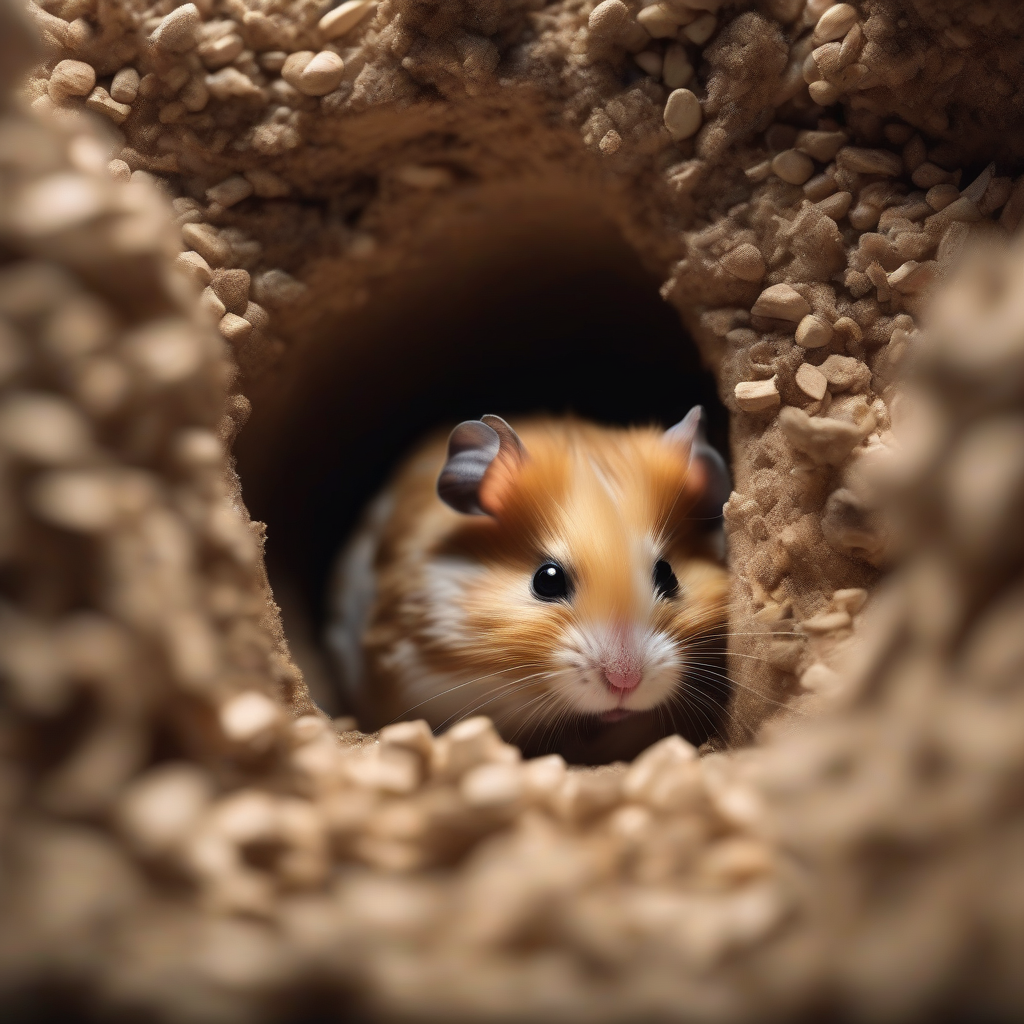
Hamsters, in their natural habitats, are small rodents that have adapted to harsh conditions and can easily become prey. Therefore, carrying and storing food in their safe burrows is a fundamental part of their struggle for survival. Critical evolutionary pressures, such as preparing for periods of food scarcity, being able to feed while protected from predators, and having enough resources for their offspring during breeding seasons, are ingrained in the genetic code of hoarding behavior. This strong instinct persists even in a cage environment; no matter how much food your hamster has, the act of storing it provides a sense of security and control.
Even in a safe home environment, hamsters instinctively tend to protect themselves from potential threats. This stems from their continuous exposure to danger in their natural habitats. Stored food acts as a 'security shield' for these tiny creatures. If you'd like to learn more about this, you can check out our article: Your Hamster's Hidden Stress Signals: Insidious Dangers at Home and the Science of Creating a Safe Space!.
Hoarding is far more than a simple act of storage; it involves complex cognitive processes. Hamsters exhibit the following when storing their food:
Hoarded food is not just an energy source for hamsters; it's a deep source of psychological comfort. The presence of food reserves acts as a kind of 'insurance,' which reduces their stress levels. Hamsters with ample storage space and food in their cages have been observed to be less anxious and generally live in greater well-being. This demonstrates the critical importance of respecting their instinctive needs.
Hamsters typically choose the places where they feel most secure to hide their food. These are often areas they've marked with scent, as mentioned in the article Your Hamster's 'Hidden Scent Map': Invisible Stressors Within the Cage and Scientific Cleaning Secrets to Boost Well-being!, which are part of their sensory universe. Scent plays a vital role in helping them locate their food and protect it from other hamsters (if any).
Supporting your hamster's natural hoarding instinct in a healthy and constructive way is crucial for both its physical and psychological health. Here are some scientific solutions you can implement:
Understanding your hamster's food hoarding behavior is a window into its inner world. It's not just an instinct; it's a survival strategy, a security mechanism, and a game of intelligence. By appropriately supporting these 'invisible strategies,' you can help your tiny companion lead a happier, less stressed, and mentally richer life. Remember, being a good hamster parent means respecting their natural needs and meeting them with scientific methods.
