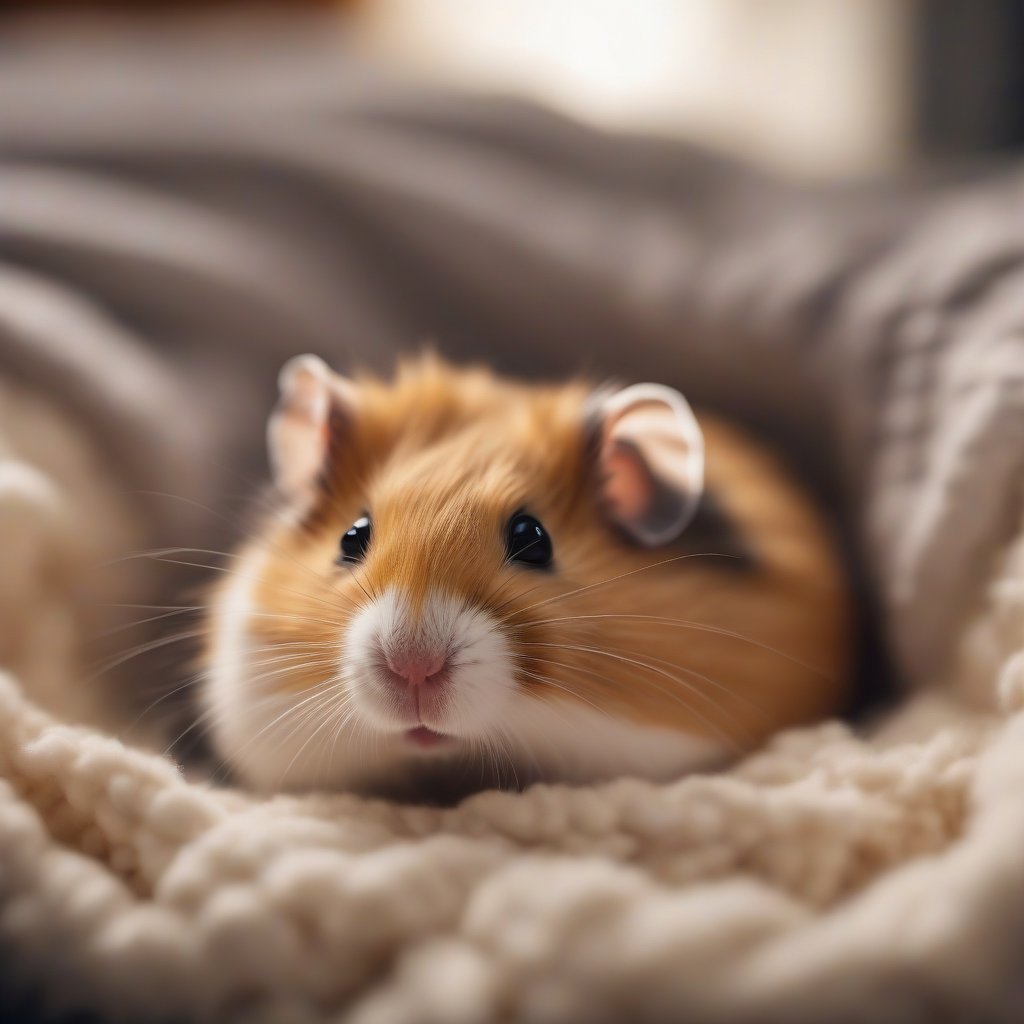
As your hamster ages, they require special attention and scientific approaches. In this article, you will discover 5 overlooked scientific care secrets and practical strategies to ensure your tiny friend spends their 'golden years' in the most comfortable and healthy way.


In this article, you will discover the 5 insidious neurobiological effects of the Encephalitozoon Cuniculi parasite, which is often overlooked in rabbits but severely affects the brain, along with lifesaving early diagnosis methods.

In this article, we will deeply explore the insidious neurobiological effects of gut microbiome imbalance (dysbiosis) on your rabbit's brain health and provide scientific-based solutions to maintain mental vitality.

In this article, you can find comprehensive information on how pancreatitis in dogs not only affects the digestive system but also insidiously impacts the brain, its neuroinflammatory mechanisms, and lifesaving emergency intervention strategies.
Our tiny friends, hamsters, require special care as they reach a certain age within their short but intense life cycles. With an average lifespan of 2-3 years, the senior phase brings many overlooked signals and care routines that need adaptation. Recent advancements in veterinary science offer specific strategies to enhance the quality of life for an aging hamster. In this article, we will delve into 5 scientific secrets and practical care strategies to ensure your tiny companion spends their 'golden years' in peace and comfort.
An aging hamster loses youthful energy and begins to exhibit physical and behavioral changes. Early detection of these changes is key to proper care interventions.
As hamsters age, they may experience hair loss, thinning or dulling of fur. Muscle mass loss or, conversely, weight gain due to reduced activity, can occur. Decreased vision and hearing, as well as an increase in dental problems (overgrowth or breakage), are also common. The risk of tumor formation increases significantly in older hamsters, making regular physical checks vital. They may experience slowed movement, limping, or difficulty climbing in the cage due to joint pain or arthritis.
While young hamsters are typically very active and curious, older hamsters tend to be calmer and less exploratory. Changes in sleep patterns, such as increased daytime sleep or decreased nighttime activity, can be observed. Sudden irritability, reduced desire for interaction, or a decrease in appetite are also signs of aging. These behaviors can often indicate pain or discomfort. For example, as noted in our article Your Hamster's 'Secret Crisis Signals': A 5-Minute Intervention Guide for Emergencies!, sudden changes in behavior might signal a situation requiring immediate intervention.
The environment of an aging hamster must be rearranged to suit their diminishing physical abilities. Accessibility and safety should be prioritized.
Climbing paths, ramps, or wheels in the cage can become dangerous for an older hamster. Low steps, wider and easily accessible platforms should be preferred. The water bottle spout should be adjusted to an easily reachable height, or an additional small water bowl placed on the ground. Food bowls should also be easily accessible. Soft, dust-free, and deep bedding materials provide comfort for hamsters with joint pain and improve sleep quality. Information from our article Your Hamster's 'Secret Substrate Engineering': Unveiling Scientific Codes from Cage Base Sand to Social Stress Triggers! can guide you in choosing the right substrate.
Older hamsters may struggle to regulate their body temperature. It is crucial to keep the cage at a stable, moderate temperature (approximately 20-22°C or 68-72°F) and protect it from direct sunlight or drafts. Bedding materials can provide extra insulation in nesting areas to help them stay warm. Excessive humidity or dryness can also lead to respiratory problems, so the cage's humidity balance should also be considered.
As metabolism slows down and dental problems emerge, the nutritional needs of older hamsters change. Easily digestible and nutritious foods should be preferred.
Older hamsters may have difficulty chewing hard foods. In such cases, offer soft pelleted food, slightly moistened grains, small amounts of cooked vegetables, or sugar-free, salt-free baby food. Protein requirements should not be overlooked; supplementary protein sources like boiled egg or low-fat cheese can be given in small portions. The article Your Hamster's Secret 'Digestive Treasury': Scientific Secrets of the Dual Stomach System and Optimal Nutrition Revolution! will help you better understand the hamster's digestive system.
Older hamsters may forget to drink water or have difficulty reaching their water sources. Providing multiple water sources in the cage, such as both a water bottle and a small, heavy ceramic bowl, is beneficial. Increasing water intake with fresh vegetables and fruits (like cucumber or lettuce) is also important. Regular cleaning of the water bowl prevents bacterial growth.
Older hamsters may experience chronic pain and often hide it. Regular veterinary check-ups and the ability to recognize pain signals are of vital importance.
The signs that a hamster is in pain can be very subtle: hunched posture, reluctance to move, excessive licking (to soothe a painful area), loss of appetite, not drinking water, or being more irritable than usual. Observing these signs and consulting a veterinarian is crucial. For example, internal diseases like Your Hamster's 'Invisible Kidney Stress': Insidious Signs and Scientific Secrets to Protecting Kidney Health! can manifest with similar symptoms.
For older hamsters, at least one or two veterinary check-ups per year are recommended. These checks assess dental health, tumor control, joint examination, and overall health status. Early diagnosis plays a critical role in managing many age-related diseases and can significantly improve the quality of life.
In addition to physical care, aging hamsters also need mental stimulation and emotional security.
Instead of overly challenging toys, activities that provide easy-to-access and gentle mental stimulation should be preferred for older hamsters. Foraging games, safe tunnels with different textures, or scent enrichment (scattering safe herbs or shavings in different areas) can support their cognitive functions. Gentle and short interactions help maintain your bond with them.
Older hamsters are more sensitive to stress and sudden changes. The cage should be in a quiet, calm corner, away from sudden noises and crowded environments. Abrupt changes in their routine should be avoided, and they should be provided with a safe refuge. The article Your Hamster's 'Secret Stress Points': Insidious Household Dangers and the Science of Creating a Safe Space! can help you identify environmental stress factors.
In conclusion, approaching your hamster's senior years with love, patience, and a scientific approach ensures they experience their 'golden years' in the best possible way. Remember that every hamster is an individual and may have unique needs. Regular observation and communication with your veterinarian will be your greatest allies in this process.
