
In this article, you will discover the health risks caused by your hamster's continuously growing teeth, the silent symptoms of overgrown teeth, and lifesaving preventive care strategies you can implement to protect your tiny friend's oral health.


Discover the neurobiological signals of hidden stress your newly adopted cat experiences during adaptation to a new social environment. This article reveals 5 insidious signs of your cat's silent struggle and scientific strategies for peaceful, long-term harmony.

Your dog's anal sacs, located beneath the tail, can be hidden alarm bells often overlooked but profoundly affecting their quality of life. In this article, you will discover the 5 insidious neurobiological effects of anal sac problems on the brain and the lifesaving care secrets you need to know for your furry friend to live a peaceful life.
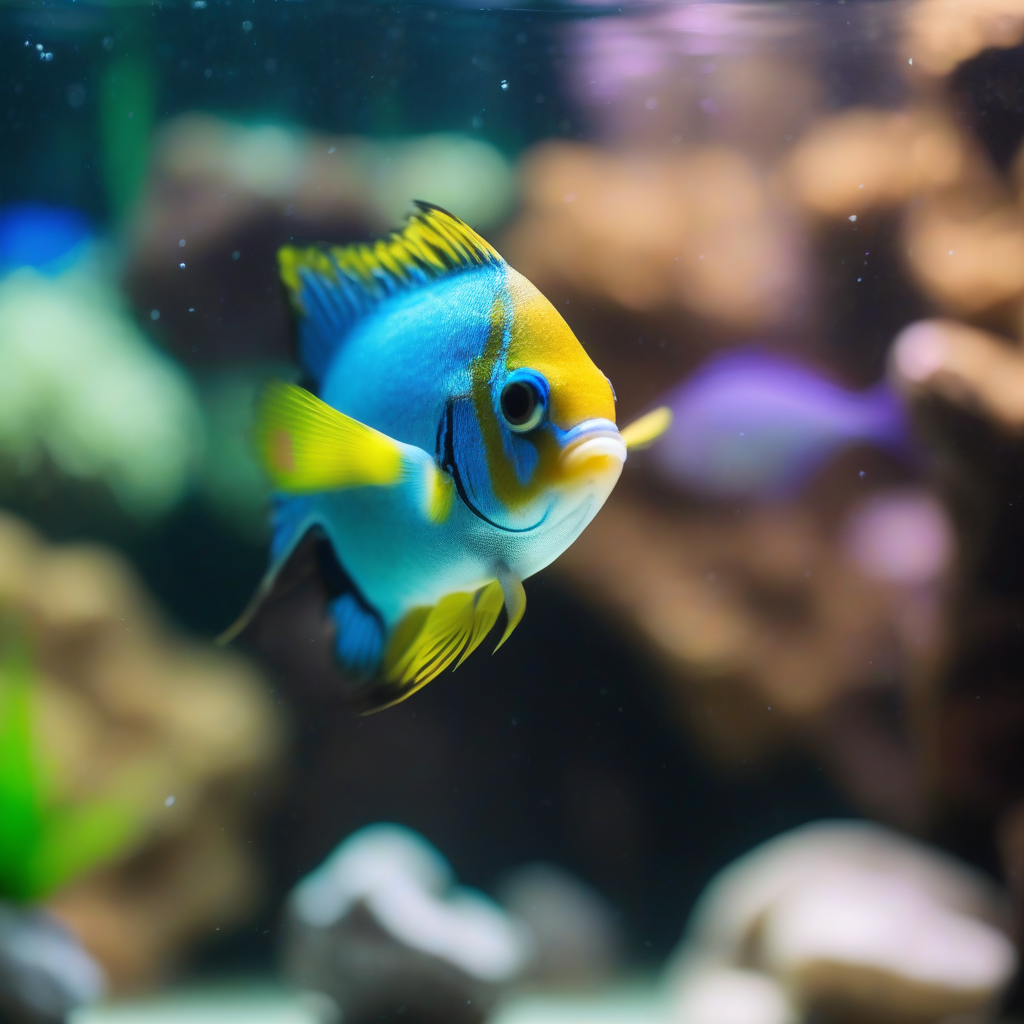
In this article, you will find comprehensive information on the insidious neurotoxic effects of heavy metal poisoning in aquarium fish, its symptoms, and lifesaving emergency intervention codes. This condition, which can arise from household water sources, improper equipment, or neglect, can severely threaten your fish's quality of life and lifespan.
Our tiny furry friends, hamsters, possess a complex biology behind their adorable appearance. One of the most critical yet frequently overlooked health areas is their dental health. As members of the rodent family, hamsters' teeth continue to grow throughout their lives. This brings with it the risk of "overgrown teeth," which can lead to serious health problems if proper care and environmental conditions are not provided. As of March 2026, we, as veterinarians, emphasize the need to raise awareness and adopt proactive care strategies in this regard.
Your hamster's oral health has a direct impact on their general well-being, eating habits, and even their behavior. Overgrown or misaligned teeth can lead not only to difficulty eating but also to severe pain, infections, and increased stress levels. In this article, we will explore the hidden secrets and lifesaving care methods you need to know to protect your hamster's dental health.
Hamsters have a total of four incisor teeth: two in their upper jaw and two in their lower jaw. These incisors, unlike those of many other mammals, grow continuously. This growth is naturally worn down in the wild through activities such as gnawing on tree bark, breaking down food, and digging tunnels. In a pet hamster, this natural wearing process is disrupted if appropriate chewing materials are not provided.
This continuous growth of teeth requires them to be properly aligned and regularly worn down. The incisors in the upper and lower jaws rub against each other, creating a natural grinding mechanism. If this alignment is disrupted (malocclusion), the teeth do not rub together properly and can become overgrown. This condition can result from genetic factors, trauma, or improper diet.
Hamsters are often skilled at hiding their pain and discomfort. Therefore, the symptoms of overgrown teeth are often difficult to spot and can progress to advanced stages. Here are some silent alarm signals that should not be overlooked:
One of the most apparent signs is your hamster's reluctance to eat or drink. You might observe avoidance of hard foods, difficulty taking food into their mouth, or complete loss of appetite. They might also struggle to drink from their water bottle, which can lead to dehydration, as highlighted in our article Your Hamster's Invisible Thirst Danger: Insidious Dehydration Symptoms and Lifesaving Hydration Secrets. Weight loss is also a common consequence of this condition.
Overgrown teeth can damage the Your Hamster's Cheek Pouches: Hidden Treasures and Health Secrets, which play a significant role in their oral health. Teeth can grow inwards or towards the cheek, causing injuries, infections, or food impaction in the cheek pouches. You might notice moisture, drooling, or redness around your hamster's mouth.
Pain and discomfort can alter your hamster's normal behavior. They may become less active, appear lethargic, or avoid being touched. Aggression or irritability might also be observed, as pain makes them uncomfortable. Remember, as emphasized in our article Your Hamster's Secret Emotional World: The Art of Breaking Behavioral Codes to Understand Their Silent Cries and Reduce Stress, stress can have devastating effects on overall health.
The key to protecting your hamster's dental health is to provide proactive and balanced care.
The foundation of a hamster's diet should be high-fiber, hard pellet feeds. These feeds help wear down the teeth naturally during chewing. Seed mixes should be avoided, as hamsters often pick and eat only their favorite, fatty seeds, which reduces chewing activity and leads to an unbalanced diet. Safe vegetables and fruits like broccoli stems, carrots, or apple branches can also provide chewing exercise.
Always provide a variety of safe chew toys in the cage. Untreated wood blocks (pine, maple, applewood), mineral blocks, or specially designed rodent chew toys are ideal. These toys not only contribute to dental health but also offer mental stimulation and the opportunity for hamsters to exhibit natural behaviors within the context of their Secret Living Space Secrets. Ensure that the toys are safe and non-toxic for your hamster.
Regularly checking your hamster's teeth is critical for detecting problems early. Be gentle when performing this check and try not to stress your hamster. If you notice any abnormalities (overgrowth, broken teeth, redness, swelling), consult a veterinarian immediately.
If you observe symptoms of overgrown teeth in your hamster, it is vital that they be examined by an experienced exotic animal veterinarian. The vet can safely trim the teeth or apply appropriate treatment. This procedure is usually performed under anesthesia and requires proper equipment and technical knowledge. Attempting to trim or file the teeth yourself at home is extremely dangerous and can cause permanent harm to your hamster.
Your hamster's dental health is a fundamental pillar for them to live a long, happy, and healthy life. With proactive care, proper nutrition, and regular veterinary check-ups, you can protect your tiny friend's smile and solve problems before you hear their silent cries.
