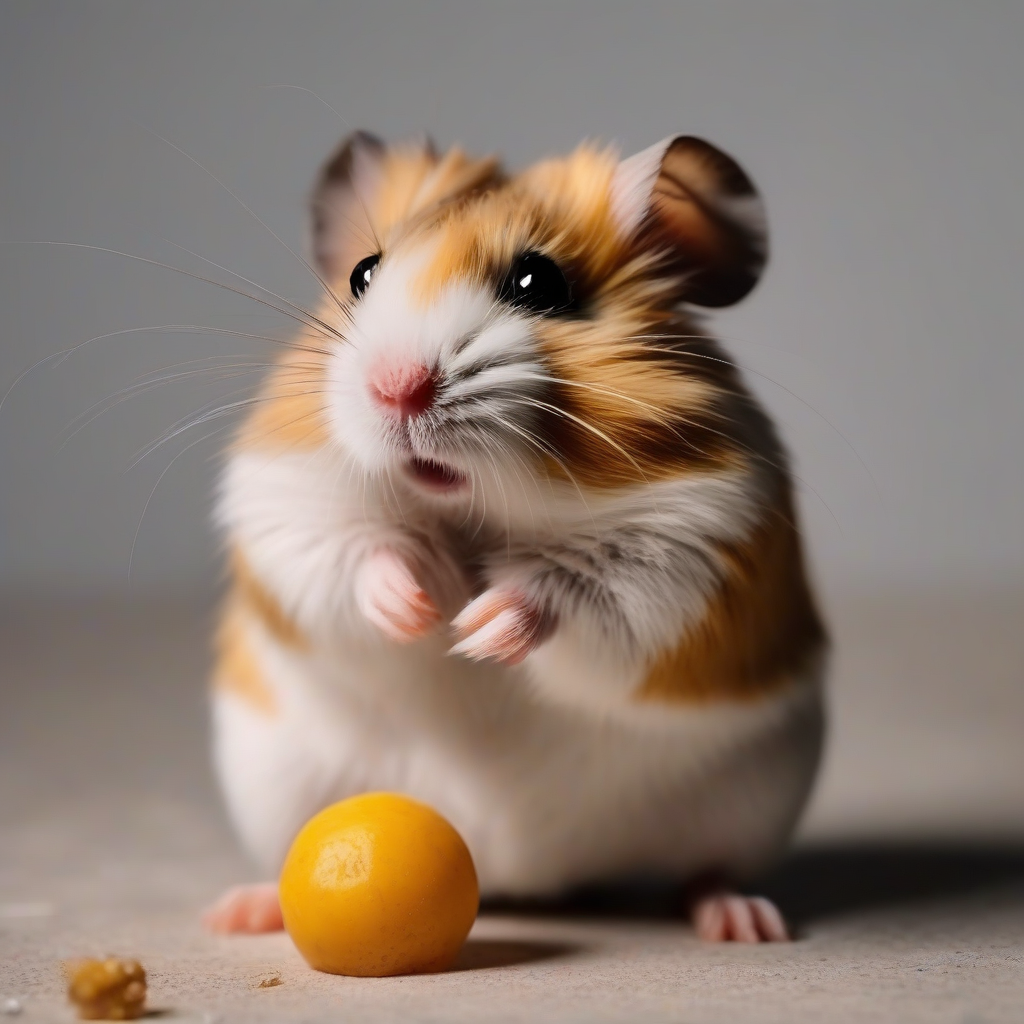
In this article, discover the species-specific differences in hamster social behavior, the scientific basis of their solitude, and how to ensure their well-being by debunking common post-adoption socialization myths.


In this article, you will discover the 5 insidious neurobiological effects of the Encephalitozoon Cuniculi parasite, which is often overlooked in rabbits but severely affects the brain, along with lifesaving early diagnosis methods.

In this article, we will deeply explore the insidious neurobiological effects of gut microbiome imbalance (dysbiosis) on your rabbit's brain health and provide scientific-based solutions to maintain mental vitality.

In this article, you can find comprehensive information on how pancreatitis in dogs not only affects the digestive system but also insidiously impacts the brain, its neuroinflammatory mechanisms, and lifesaving emergency intervention strategies.
As we enter March 2026, pet adoption decisions are often shaped by cute appearances and popular perceptions. Especially when it comes to hamsters, their tiny bodies and energetic demeanor often encourage owners to "socialize" them or keep multiple individuals together. However, scientific facts and hamsters' profound "anti-social intelligence" reveal that these popular beliefs are often serious misconceptions that threaten animal welfare. At WikiPet, we are here to share science-based approaches that respect your hamster's true nature and offer them complete happiness even in their solitude.
Not all hamsters are alike, and their social needs vary dramatically by species. Understanding these differences is the most critical step to take during the adoption process.
Syrian hamsters, also known as Golden Hamsters, are by nature extremely territorial and solitary animals. In the wild, they separate from their mothers as soon as they reach adolescence and spend their lives defending their own territory. When brought together, especially between individuals of the same sex or mature individuals, fierce fights and even fatal conflicts are inevitable. This means that "socialization" efforts will be futile, and even traumatic for the animals. The healthiest and happiest life for them is possible in complete solitude, within a spacious and safe environment, understanding their Your Hamster's Hidden Stress Points: Insidious Home Dangers and the Science of Creating a Safe Haven!.
Dwarf hamster species (such as Campbell, Russian Dwarf, Roborovski, Chinese Dwarf Hamster) can be more tolerant compared to Syrian hamsters. Especially Campbell and Russian Dwarf hamsters can sometimes be kept in pairs or small, same-sex groups. However, even this is not guaranteed and requires careful observation. Although Roborovski hamsters are considered the most social dwarf species, the risk of fights and stress is always present even for them.
Scientific research shows that the "socialization" potential of dwarf hamsters depends on genetic predisposition, early life experiences, and individual personality traits. Before bringing two dwarf hamsters together, it is vital to closely observe their individual behaviors and ensure sufficient space and escape routes in terms of Your Hamster's Microclimate Map: Invisible Threats, Hidden Comfort Zones, and Scientific Secrets to Optimizing Living Space. At the slightest sign of aggression, the animals must be separated immediately. Remember, "they can live together" does not mean "they will be happy together."
Hamsters' solitude is not just a preference, but a survival strategy.
In their natural habitat, hamsters aggressively defend their food sources and burrows. This territorial instinct is deeply ingrained in their genetic code. Keeping a hamster in the same confined space with another hamster leads to a constant perception of threat. This causes the release of chronic stress hormones (cortisol). High cortisol levels weaken the immune system, disrupt sleep patterns, lead to loss of appetite, and general health problems. This situation can even affect their basic needs, such as their Your Hamster's Hidden Nutritional Codes: Different Metabolic Needs of Dwarf and Syrian Hamsters and Optimal Health Secrets!.
Hamsters have evolved in harsh habitats such as deserts and steppes. These environments encourage individual survival and competition. Social interaction in such environments often means energy loss and struggle for resources. Therefore, a hamster being "alone" does not mean they are "unhappy"; on the contrary, this is their biologically coded, naturally optimized state for well-being.
When building your relationship with a newly adopted hamster, it is important to avoid human-centric socialization expectations.
Like other pets, hamsters use silent communication signals, similar to 5 Overlooked 'Silent' SOS Signals in Your Dog's New Home Adaptation: Decode the Scientific Codes for a Peaceful Transition!. Flattened ears, retreating, growling, or even a slight attempt to bite are messages telling you "respect my space." Reading these signals correctly is crucial to avoid increasing the animal's stress and damaging the trust relationship. Instead of forcing "socialization," respecting their individual comfort zones is the first step to building a genuine bond.
The way to strengthen the bond with your hamster is through patience, gentleness, and understanding. Avoid sudden movements, keep your voice soft, and always allow the animal to progress at its own pace. Hand-feeding, short and positive interactions in a calm environment will help your hamster see you as a safe resource, not a threat. Respecting their need for solitude will deepen the bond you form.
If you are considering adopting dwarf hamsters and wish to observe the interaction of more than one hamster, it is essential to follow some basic scientific rules:
Understanding your hamster's 'anti-social intelligence' is the key to offering them true happiness and well-being. Respecting their natural solitary instincts will make your adoption experience much more enriching and rewarding for both you and your tiny companion.
