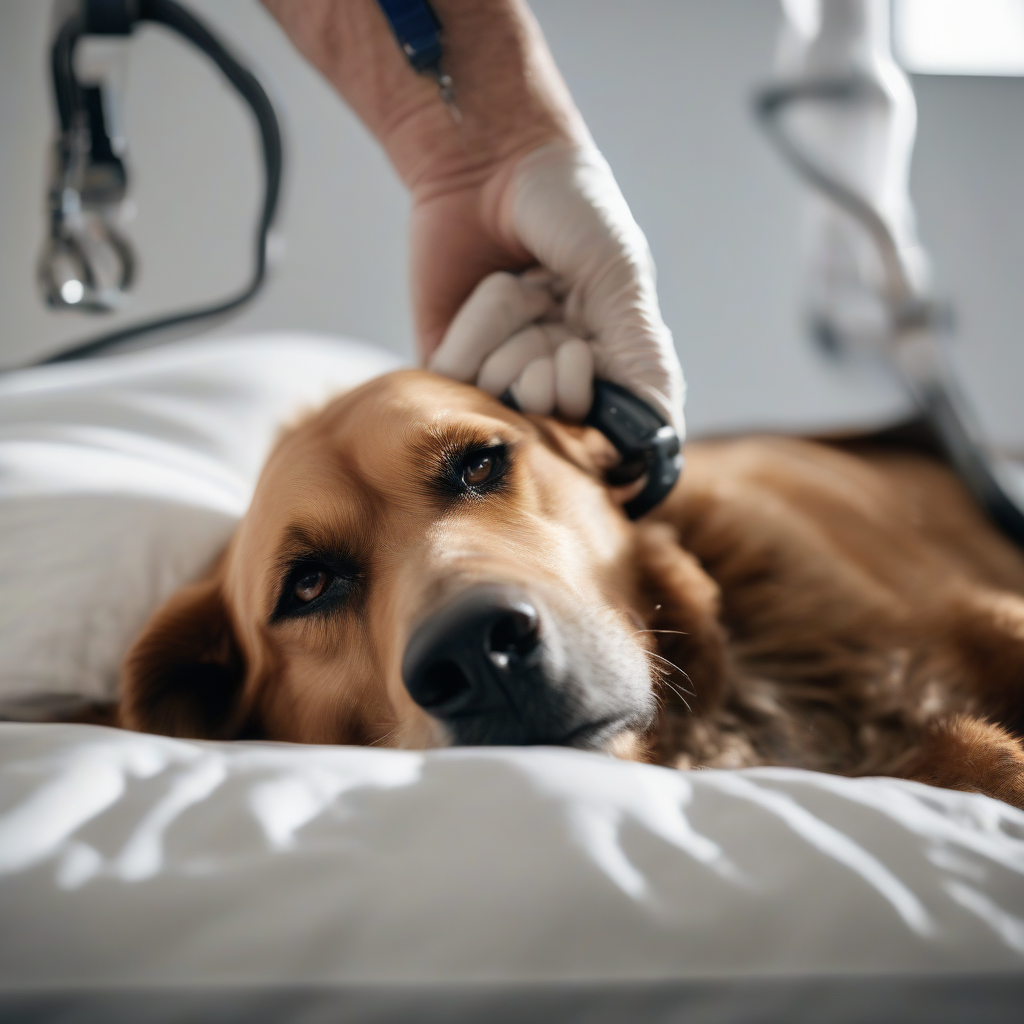
In this article, you will discover why canine joint health is often overlooked, the insidious progression of cartilage degeneration, and 5 scientifically-backed critical care strategies to ensure your beloved companion lives a pain-free, happy life.


Discover the neurobiological signals of hidden stress your newly adopted cat experiences during adaptation to a new social environment. This article reveals 5 insidious signs of your cat's silent struggle and scientific strategies for peaceful, long-term harmony.

Your dog's anal sacs, located beneath the tail, can be hidden alarm bells often overlooked but profoundly affecting their quality of life. In this article, you will discover the 5 insidious neurobiological effects of anal sac problems on the brain and the lifesaving care secrets you need to know for your furry friend to live a peaceful life.
In this article, you will find comprehensive information on the insidious neurotoxic effects of heavy metal poisoning in aquarium fish, its symptoms, and lifesaving emergency intervention codes. This condition, which can arise from household water sources, improper equipment, or neglect, can severely threaten your fish's quality of life and lifespan.
We all cherish our furry friends' energetic spirits, their joyful leaps, playful runs, and their constant presence by our side. However, with time or genetic predispositions, our dogs' joints, much like our own, can enter a silent process of wear and tear. Cartilage tissue acts as the 'invisible shock absorber' of the joints, and its degeneration can lead to 'invisible joint crises' that profoundly affect your dog's quality of life. As of March 2026, the latest advancements in veterinary science are opening new doors to understanding this insidious process and taking proactive measures.
Joints are the points where two bones meet, allowing movement. Covering the ends of these bones at the joint is articular cartilage, a smooth, elastic tissue. Cartilage reduces friction, absorbs shock, and enables bones to move freely. When it wears down or gets damaged, bones start rubbing against each other, leading to pain, inflammation, and restricted movement. This process can escalate into a chronic condition known as osteoarthritis (degenerative joint disease), which can deeply impact your dog's daily routines.
The main causes of cartilage degeneration include aging, genetic predisposition (especially hip and elbow dysplasia in large breeds), trauma, infections, and obesity. These factors result in the rate of cartilage cell (chondrocyte) regeneration being unable to keep up with the rate of damage.
Dogs are remarkably adept at hiding their pain, a survival instinct from their wild ancestors. However, as an observant owner, you can spot early and subtle signs of joint pain:
To protect your dog's joint health and manage existing issues, scientifically-backed approaches are crucial:
Excess weight increases pressure on the joints, accelerating cartilage degeneration. Keeping your dog at an ideal weight is one of the most important things you can do for their joint health. Regular weight checks and adhering to your veterinarian's recommended feeding plans are essential. Our article, Your Dog's 'Invisible Satiety Key', offers scientific secrets to stop overeating, directly contributing to weight management.
Exercise should not be completely halted for dogs with joint pain but must be adapted appropriately. High-impact activities (like running, jumping) should be avoided. Instead, opt for low-impact activities such as swimming, short, regular walks, which place less strain on the joints. Exercise strengthens muscles, supporting the joints and increasing flexibility. However, over-exertion must be strictly avoided.
Under your veterinarian's guidance, joint-supporting supplements and diets can be used. Glucosamine and chondroitin sulfate are building blocks of cartilage tissue, and some studies have shown them to help reduce joint inflammation and protect cartilage. Omega-3 fatty acids (EPA and DHA) possess strong anti-inflammatory properties. The absorption and effectiveness of these supplements are closely related to your dog's overall digestive health. For more information, you can refer to our article, Is Your Dog's Gut a Hidden Warehouse? 5 Unnoticed Digestive Issues and Their Solutions.
Small changes in your home environment can significantly alleviate your dog's joint pain. Use rugs or non-slip mats on slippery surfaces (hardwood, tile) to prevent falls. Provide ramps or steps to make it easier for them to get onto high places (sofa, bed). Orthopedic beds reduce pressure on the joints, improving sleep quality and ensuring comfortable rest.
Early diagnosis of joint health problems is vital for successful treatment. During regular veterinary check-ups, a physical examination, lameness tests, and if necessary, X-rays or other imaging methods will assess the condition of the joints. Remember that dietary mistakes, such as those discussed in Your Dog's 'Invisible Satiety Key': Beyond the Bowl – Scientific Secrets to Prevent Overeating and Trick Its Brain into Feeling Full!, can also affect overall health and thus joint health in the long run. Additionally, regular nail trimming is important for healthy gait; you can find more on this in our article Your Dog's 'Invisible Paw Shield': Scientific Secrets of Paw Care and 5 Critical Steps You Can Take at Home!. Early intervention slows the progression of the disease and improves your dog's quality of life.
Your dog's joint health is a fundamental part of their overall well-being. Paying attention to overlooked signals and implementing proactive scientific care strategies will help your companion live an active and pain-free life for years to come. Always consult your veterinarian with any concerns.
