
In this article, you will find comprehensive information about how little-known mineral deficiencies (cofactor crisis) in your dog's food bowl affect enzyme activities and discover lifesaving scientific nutritional strategies.


In this article, you will discover the little-known but profound effects of the acoustic environment in rabbit living spaces on their brain health and general well-being, exploring the neurobiological consequences of both sound deprivation and overstimulation, and scientific secrets to creating a peaceful environment. Understand and optimize your rabbit's world with expert tips.
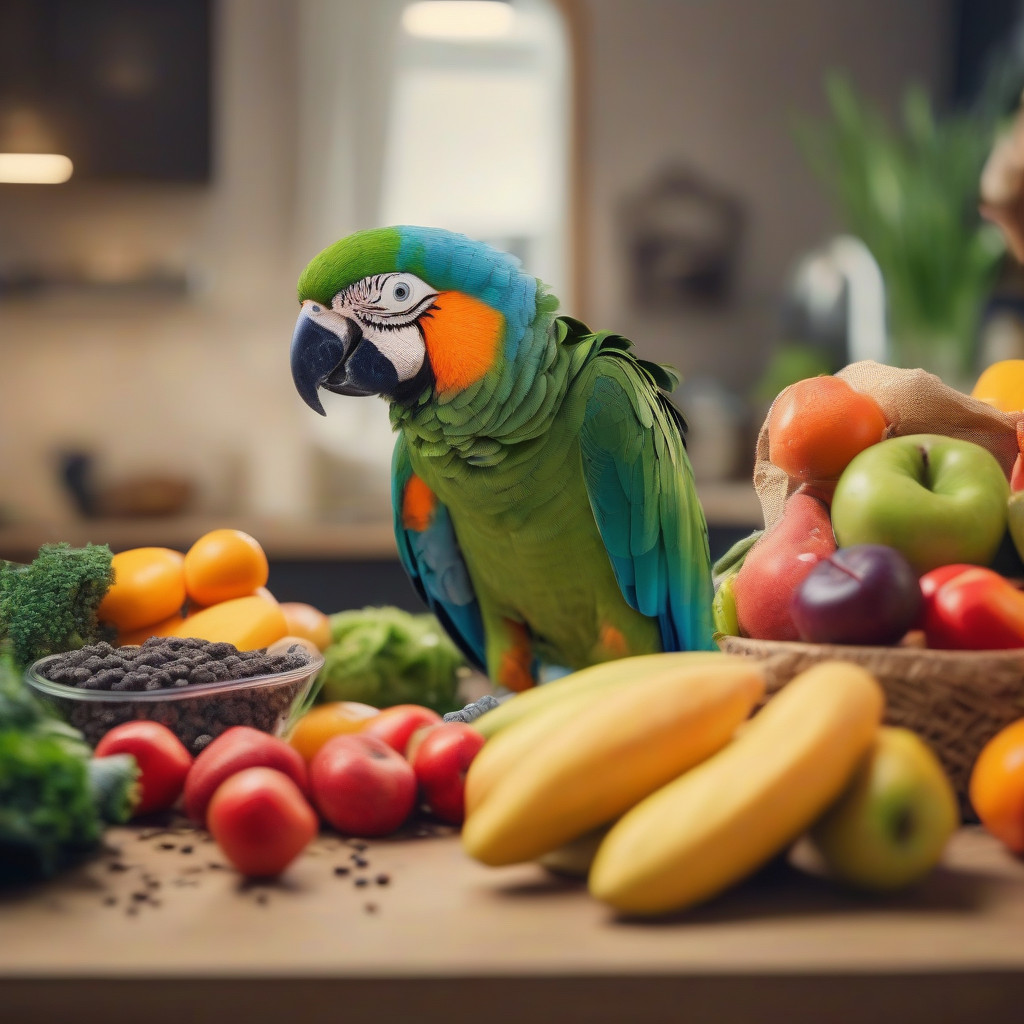
In this article, you will find comprehensive information about the insidious neurobiological effects of artificial colorings, preservatives, and flavors found in commercial bird feeds on your bird's brain health and mental vitality. We explore scientific nutritional secrets to combat these hidden dangers, shedding light on a wide spectrum of effects from behavioral changes to cognitive decline.

In this article, you can discover the scientific secrets to understanding your cat's undesirable habits, deciphering the neurocognitive mechanisms in their brain, and establishing lasting new routines.
As of April 2026, the science of pet nutrition continues to illuminate the complex world of micronutrients, particularly minerals, beyond basic macronutrients. These often-overlooked small heroes are vital for the smooth functioning of every biochemical reaction in your dog's body. However, an insidious threat called a "cofactor crisis" in the food bowl can disrupt this delicate balance, leading to various health problems. In this article, we will delve into 5 critical mineral deficiencies that sabotage your dog's enzyme activities and present scientific nutritional strategies to reverse this condition.
Your dog's body, much like a complex factory, is constantly working. The engines of this factory are enzymes. Enzymes are proteins that accelerate hundreds of vital reactions, from digestion to energy production, immune responses, and detoxification. However, most enzymes require helper molecules to perform their duties fully. These helper molecules are called cofactors, and minerals are one of the most important groups of these cofactors. A mineral deficiency can trigger this cofactor crisis, causing enzymes to "become paralyzed."
Each enzyme has specific cofactor requirements. For example, a powerful antioxidant enzyme like superoxide dismutase (SOD) requires minerals such as zinc, copper, or manganese. Without these minerals, enzyme activity decreases, leaving the body vulnerable to free radical damage. Your dog's metabolism, growth, cell regeneration, and even behavior depend on the sufficient availability of these cofactors. Therefore, detecting and resolving these often-missed mineral imbalances is critically important for your dog's overall health and well-being.
A hidden cofactor crisis may not initially show obvious symptoms. It can manifest with general signs like lethargy, hair loss, or mild digestive discomfort. However, in the long run, this condition can pave the way for serious chronic diseases, weakened immune systems, and even neurological issues. Standard blood tests may not always catch these subtle deficiencies, making the problem even more insidious. To learn more about the hidden 'traps' of mineral imbalances in your dog's food bowl, you can check out our article Your Dog's Hidden 'Traps' in the Food Bowl: 5 Insidious Mineral Imbalances Triggering Digestive Stress and Behavioral Repercussions!.
Certain minerals play critical cofactor roles in your dog's biochemical processes, and inadequate intake can lead to severe consequences.
Zinc acts as a cofactor for over 300 enzymes and is fundamental for DNA synthesis, protein metabolism, cell division, and immune function. Its deficiency weakens the immune system, leads to skin problems (hyperkeratosis), hair loss, delayed wound healing, and digestive issues. Zinc malabsorption is more common in young, growing dogs and some large breeds (Husky, Malamute).
Selenium is an indispensable cofactor, especially for powerful antioxidant enzymes like glutathione peroxidase. These enzymes protect cells from oxidative stress and free radical damage. Selenium deficiency is associated with muscle weakness, heart problems (dilated cardiomyopathy), immune system failure, and even reproductive issues. The importance of food selection for your dog's secret immune shield is paramount.
Copper is a cofactor for many enzymes involved in energy production, iron metabolism, connective tissue formation, hair pigmentation, and nervous system function. Its deficiency can lead to anemia, bone and joint abnormalities, neurological problems, and changes in coat color. Some breeds (Bedlington Terrier) are genetically predisposed to copper metabolism disorders.
Manganese is a cofactor for many enzymes necessary for bone and cartilage formation, fat and carbohydrate metabolism, reproduction, and nervous system functions. Its deficiency can cause skeletal developmental disorders, joint problems (like hip dysplasia), reproductive issues, and metabolic dysregulation.
Molybdenum is a cofactor for enzymes like sulfite oxidase and xanthine oxidase. Sulfite oxidase plays a critical role, especially in the metabolism of sulfur-containing amino acids and the body's detoxification from toxins. Although molybdenum deficiency is quite rare, it can disrupt detoxification pathways, leading to sulfite accumulation and neurological symptoms.
Conscious nutritional strategies are essential to prevent these insidious cofactor crises and optimize your dog's health.
Choosing a high-quality, balanced, and biologically appropriate food for your dog is the first step to meeting most mineral needs. Read the ingredient list carefully and check if minerals are in chelated form (bound to amino acids). Chelated minerals are better absorbed by the body and have higher bioavailability. The article Your Dog's 'Unknown Protein Sensitivity Crystal': Unlocking the 5 Neurobiological Secrets of 'Silent Inflammation' and a Scientific Guide to Revolutionize Food Choice! can guide you on the importance of food selection.
In case of suspected deficiency, avoid using supplements without consulting your veterinarian. Excessive intake of minerals can also lead to toxic effects. Your vet can diagnose deficiencies with blood tests (special tests may be needed in some cases) and physical examination, and recommend supplements in appropriate doses and forms.
Many mineral supplements are available on the market, but not all are absorbed at the same rate. Organic forms (chelated minerals, citrates, etc.) generally have higher bioavailability than inorganic forms (oxides, sulfates). This means your dog's body can benefit more from the mineral.
Minerals work synergistically with other vitamins and minerals in the body. For example, zinc can affect copper absorption, while Vitamin D plays a critical role in calcium and phosphorus balance. Therefore, a generally nutrient-rich and diverse diet can be more effective than trying to address a single deficiency. To strengthen your dog's digestive shield, you can refer to Your Dog's 'Hidden Scent Trails': 5 Insidious Neurological Shocks of Food Changes and Scientific Strategies to Strengthen Your Digestive Shield!.
In conclusion, understanding the hidden cofactor crisis in your dog's food bowl is a vital step toward ensuring a long and healthy life for them. With scientifically-backed, conscious nutritional choices and regular veterinary check-ups, you can eliminate this insidious threat and ensure every cell of your beloved companion functions optimally.
