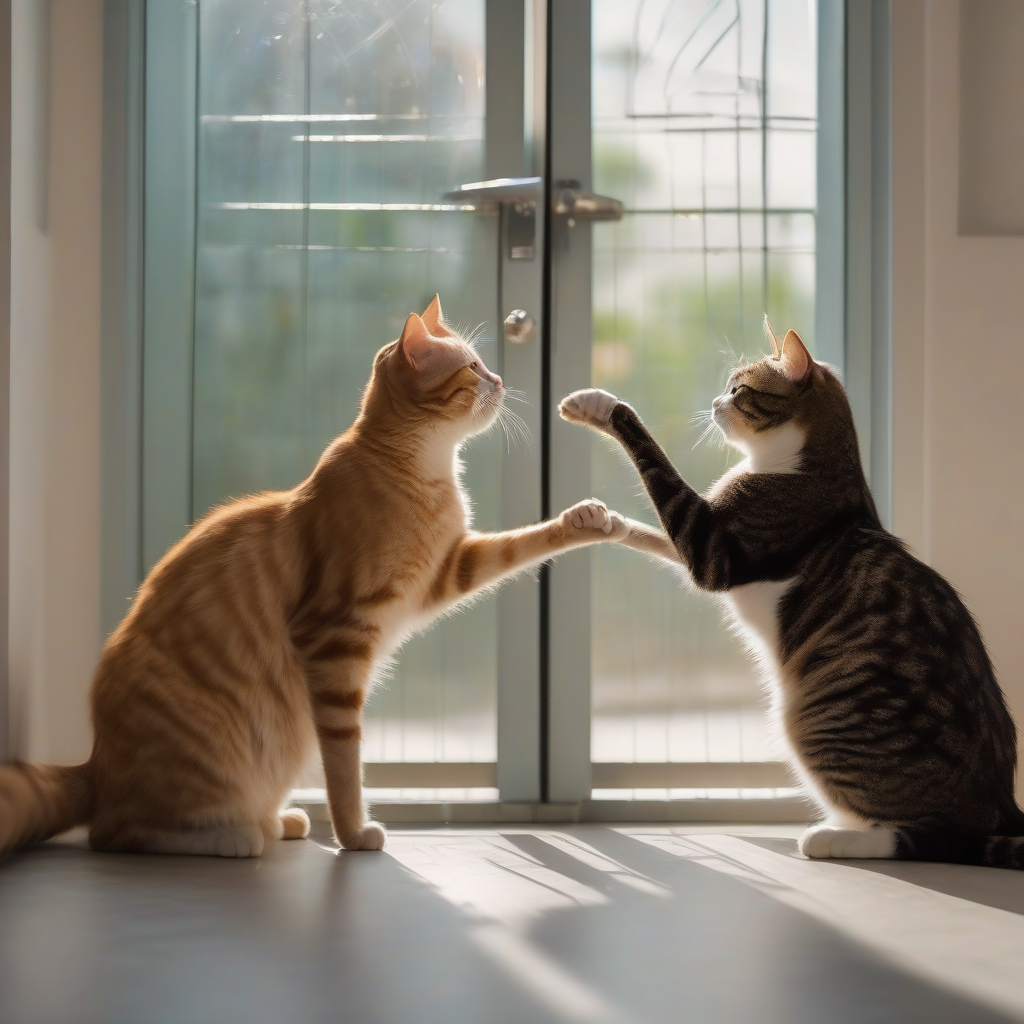
In this article, you will explore the neurobiological mechanisms of your cat's scent perception and pheromone signals during new cat introductions, and learn scientific strategies to create a harmonious living space.

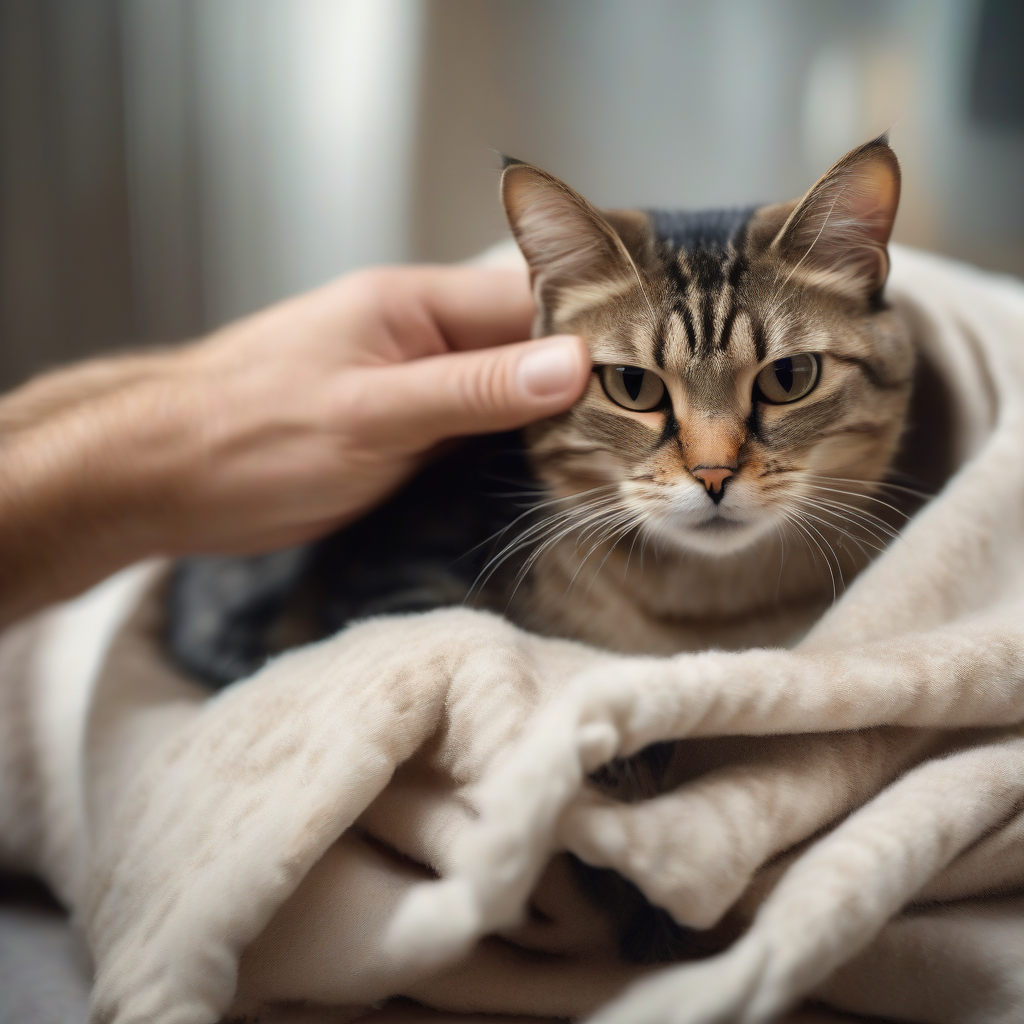
While cats possess a surprising ability to adapt to high-rise fall traumas, the insidious neurophysiological effects on their brain carry vital risks. In this article, we reveal 5 critical neurobiological effects your cat may experience after a fall and the lifesaving emergency intervention codes with scientific secrets.

In this article, you will discover how your rabbit copes with unexpected situations and its neurocognitive responses to non-routine events. Learn scientific secrets to enhance mental flexibility and manage stress.

In this article, you will find comprehensive information on the insidious neurophysiological effects of seizures in cats' brains and lifesaving emergency intervention codes during a seizure.
Cats perceive the world very differently from us humans. For them, scent is not just a way to understand their environment, but a fundamental tool for regulating social relationships, ensuring safety, and even expressing their identity. Especially when a new cat joins the family, this 'scent signature algorithm' comes into play, greatly influencing the success of the introduction process. Moving beyond generic "slow introduction" advice, we will examine how your cat's brain processes scent signals and how we can optimize this process at a neurobiological level. This in-depth look provides the scientific keys to ensuring a new companion adapts peacefully to your home.
When a cat encounters a new living being, it first analyzes its "scent signature." This signature consists of various biochemical components such as pheromones, urine, feces, and saliva. The scent of a new cat can trigger the amygdala, the brain region responsible for fear and threat perception, in the resident cat's brain. The unfamiliar scent can be perceived as a potential rival or stranger, leading to the release of stress hormones (cortisol). This neurobiological reaction can cause the cat to exhibit defensive or aggressive behaviors towards the newcomer. Managing this initial response is fundamental to a successful introduction.
Upon encountering a new scent, the resident cat will often intensify the emission of its own scent marks to reinforce its territory and status. Pheromones secreted from glands on their cheeks, paws, and tail base mark the cat's "safe zone" and belonging. This scent marking not only claims the territory but also acts as a 'security protocol' that makes the cat feel more secure. For the newcomer, recognizing and interpreting these pheromone signals is crucial to lowering its stress levels. This process is closely related to Your Cat's Secret 'Scent Architecture': The Neurobiological Impact of Pheromone Signals at Home and Scientific Design Secrets to Zero Out Stress!.
In a successful cat introduction, the gradual mixing and sharing of scents form the neurobiological foundation of social integration. The owner transferring the new cat's scent to the resident cat, and vice-versa (e.g., with cloths), can reduce the amygdala reaction while triggering oxytocin release in the hypothalamus. Oxytocin, also known as the 'love hormone,' is associated with social bonding, trust, and feelings of relaxation. Establishing a common scent profile helps both cats perceive each other as less threatening and more 'familiar,' thus laying the groundwork for oxytocin bonding.
One of the brain regions neurobiologically regulating social hierarchy and space utilization in cats is the ventromedial hypothalamus. Creating common scent zones, meaning safe areas where the scents of both cats are mixed, creates a "compromise" signal in this hypothalamic region. This minimizes potential boundary conflicts, as highlighted in the article Decoding Your Cat's 'Virtual Territory Wars': 5 Neurobiological Boundary Conflicts in Multi-Cat Homes and Scientific Codes for Peaceful Coexistence!. Shared toys, beds, or scratching posts in these areas help both cats become accustomed to each other's scent, eventually coding this scent as 'normal' and 'safe.' This plays a critical role in their Silent Sanctuary Quest process.
Modern veterinary science has made significant strides in understanding cats' scent-based communication. Synthetic pheromone diffusers, such as Feliway products, mimic the F3 pheromone secreted from a cat's facial glands, helping cats feel safe and comfortable. These pheromones calm the cat's limbic system (emotional center), reducing stress levels and facilitating the new cat introduction process. Scent transfer techniques (like swapping beds or blankets between the two cats) and controlled, brief, non-physical encounters also trigger similar neurobiological effects, aiding a stress-free adaptation. These conscious interventions are key to the initial adaptation processes described in Your Cat's 'Secret Social Chemistry': 5 Neurocognitive Secrets for Stress-Free Adaptation in the First Days of a New Home!.
Adapting a new cat to the home and socializing it with your existing cat is not just a process requiring patience, but also a scientific challenge that demands understanding the deep neurobiological world of feline scent. When we grasp the effects of scent signals, from threat perception in the amygdala to bonding through oxytocin, we can make our introduction strategies much more conscious and effective. Remember, to understand your cat's behavior, we must first understand how it perceives the world. By decoding this 'scent signature algorithm,' you can build a peaceful and harmonious future for all family members.
