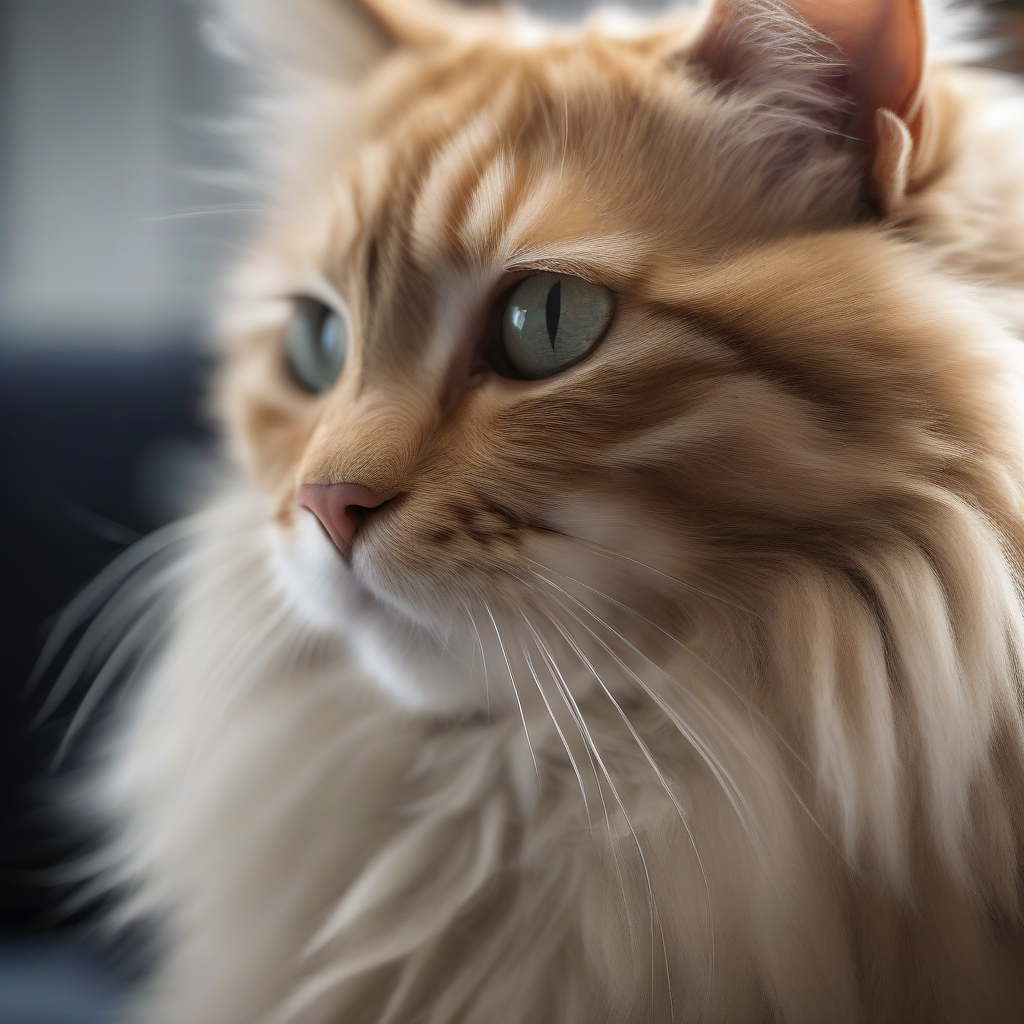
Discover the scientific facts behind your cat's fur structure and the overlooked grooming secrets for a shiny, healthy coat. From hair loss to skin health, this guide contains what every cat owner needs to know.


In this article, we will deeply explore the insidious neurobiological effects of gut microbiome imbalance (dysbiosis) on your rabbit's brain health and provide scientific-based solutions to maintain mental vitality.

In this article, you can find comprehensive information on how pancreatitis in dogs not only affects the digestive system but also insidiously impacts the brain, its neuroinflammatory mechanisms, and lifesaving emergency intervention strategies.

Discover the 5 insidious effects of overfeeding, one of the most stealthy threats to your fish's health, causing neurometabolic destruction in their brains, and learn scientific feeding strategies to prevent this demise. Uncover the silent danger in your aquarium!
Cats, known for their elegance and unique routines, possess a complex biology hidden behind their fur. This coat not only provides an aesthetic appearance but also carries crucial clues about your cat's overall health and well-being. As of March 2026, it is critically important for cat owners to understand the significance of fur structure and the often-overlooked scientific grooming secrets related to it.
A cat's fur coat is not simply attire. It represents much more:
The healthy fur that can perform these complex functions is a reflection of the cat's overall health. Unfortunately, many cat owners perceive changes in their fur as purely an aesthetic issue, when these changes can be harbingers of deeper medical problems.
While hair loss is common in cats, excessive or sudden hair loss often indicates an underlying health issue. It's not just seasonal changes but also:
For these reasons, it is best to consult a veterinarian promptly upon noticing any abnormality in your cat's fur. Just as we emphasize the importance of early detection of digestive issues in our article "Is Your Dog's Gut a Hidden Warehouse? 5 Unnoticed Digestive Issues and Their Solutions," fur problems also require early diagnosis and intervention.
The steps you can take to ensure your cat's coat is shiny and healthy are not limited to regular brushing. A scientifically based grooming routine will support coat health from the inside out:
Your cat's diet must include a sufficient amount of high-quality animal protein. Protein is the main component of fur, forming keratin. Additionally, selecting a food rich in essential fatty acids (omega-3 and omega-6), vitamins (especially A, E, B vitamins), and minerals (zinc, copper) necessary for the health of hair follicles is crucial. Quality foods will enhance your cat's coat shine and strength while supporting overall health. Making informed choices about the hidden carbohydrates in your cat's food and their long-term health secrets can directly impact their coat's luster. For example, our article "Your Cat's 'Hidden Sweet Trap' in Food: Secret Carbohydrates and Long-Term Health Secrets" can guide you on this topic.
Establishing a brushing routine suitable for your cat's fur type helps remove loose hair, stimulate blood circulation in the skin, and spread natural skin oils throughout the coat. Brushing a few times a week is recommended for short-haired cats, while daily brushing is advised for long-haired cats. During brushing, check for any signs of redness, lesions, or parasites on the skin.
If you suspect your cat has food or environmental allergies, work with your veterinarian to identify the allergens. Switching to hypoallergenic food in case of food allergies or taking measures to reduce dust mites and pollen in the living space for environmental allergies can improve coat health. Articles like "Your Cat's 'Invisible Stress Mirror': Subtle Behavioral Signals of Environmental Stimuli and Psychological Solutions" can be helpful in understanding the impact of environmental factors on cats.
Adequate water intake is critical not only for kidney health but also for the health of the fur and skin. Ensure your cat has access to fresh water at all times. Providing water fountains or placing water bowls in different locations can encourage water consumption. Dehydration can lead to dry, dull fur. While the article "Your Rabbit's 'Invisible Hydration Language': Vital Secrets of Water Consumption and Subtle Dehydration Threats!" discusses the importance of water intake for a different species, the general principle applies to cats as well.
Regular veterinary check-ups are the most important step to assess your cat's overall health and to diagnose potential underlying causes of fur problems early. Your veterinarian can determine the reason for your cat's hair loss or dull coat and create the most appropriate treatment plan. This demonstrates how crucial the accuracy of a veterinarian's diagnosis is for your cat's overall health.
Your cat's fur is a mirror of its health. Understanding this complex and wonderful coat allows you to care for your cat better. With a scientifically based grooming routine, you can ensure your cat has a shiny and healthy coat, and by diagnosing potential health problems early, you can provide it with a long and happy life. Remember, listening to the silent story of your cat's fur is the key to its well-being.
