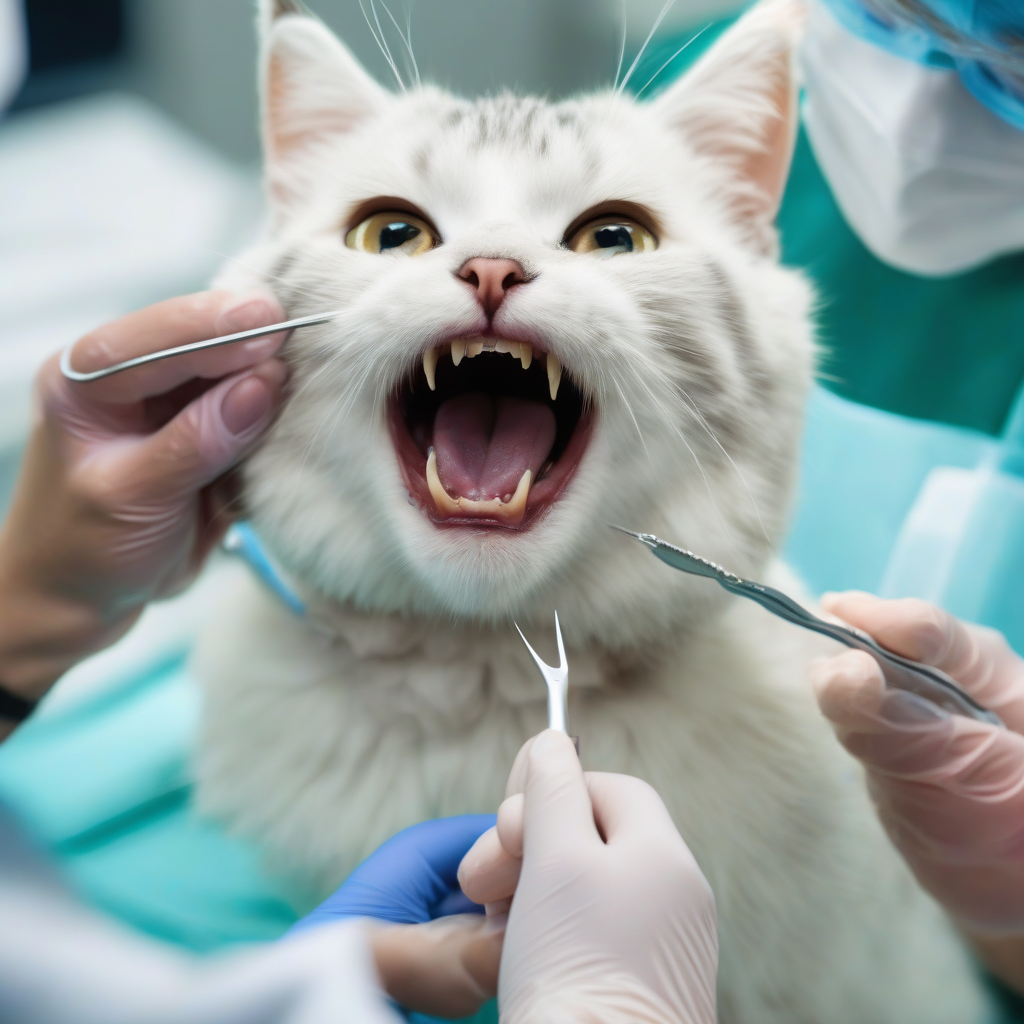
This article delves into the often-missed scientific signs of Feline Odontoclastic Resorptive Lesions (FORL) and gum recession in cats, offering insights for early detection and intervention. Discover critical steps to protect your pet's oral health.


In this article, we will deeply explore the insidious neurobiological effects of gut microbiome imbalance (dysbiosis) on your rabbit's brain health and provide scientific-based solutions to maintain mental vitality.

In this article, you can find comprehensive information on how pancreatitis in dogs not only affects the digestive system but also insidiously impacts the brain, its neuroinflammatory mechanisms, and lifesaving emergency intervention strategies.

Discover the 5 insidious effects of overfeeding, one of the most stealthy threats to your fish's health, causing neurometabolic destruction in their brains, and learn scientific feeding strategies to prevent this demise. Uncover the silent danger in your aquarium!
Cats, reflecting their natural predatory instincts, are masters at hiding pain. This poses a significant challenge for owners, especially when it comes to oral health issues. Two of the most common and severely painful oral diseases in cats are Feline Odontoclastic Resorptive Lesions (FORL) and gum recession. In this article, we will delve deep into the scientific secrets of these 'silent enemies' and their often-missed signals, providing you with the keys to enhancing your cat's quality of life.
The evolutionary history of cats is built upon their ability to conceal weakness and pain from predators. In the wild, a sick or injured cat can easily become prey. This instinct persists even in domesticated felines. Noticing your cat is in dental pain usually means the disease has progressed to an advanced stage. As pain becomes chronic, cats try to adapt to the condition, minimizing symptoms.
Cats' reactions to pain can differ from humans and even dogs. It's believed that they have a higher pain threshold or express pain in more subtle ways. This requires owners to meticulously observe subtle behavioral changes in their cats. For instance, a slight head tilt while eating or a preference for softer foods might be a signal of pain. To learn more about other 'silent' health issues in cats, you can check our article on Your Cat's 'Silent Killer': 5 Overlooked Hypertension Signals and Lifesaving Early Diagnosis Secrets!.
FORLs are lesions in cats similar to cavities in humans, but their formation mechanisms are different. These lesions are caused by extremely painful bone cells (odontoclasts) that destroy the enamel and dentin, starting from the inside of the tooth. Studies show that they affect 20% to 70% of domestic cats.
The exact cause of FORL is still not fully understood, but theories include genetic predisposition, inflammatory processes (such as periodontal disease), nutritional factors (especially vitamin D and calcium metabolism disorders), and mechanical stress. These lesions, which can start from the tooth root or crown, cause unbearable pain as they approach nerve endings.
Gum recession is the condition where the gum tissue pulls back from the tooth surface. This exposes the tooth's root surface, increasing sensitivity, pain, and the risk of infection. It's common in cats, just as in humans, and is a progressive condition.
The primary causes of gum recession include periodontal disease (gum inflammation and bone loss), trauma (chewing hard objects), improper brushing (rare in cats brushed at home), and genetic factors. Exposed root surfaces create a breeding ground for bacteria and lead to more severe inflammation. This can lead to long-term health problems, similar to the nutritional errors discussed in The 'Invisible Sweet Trap' in Your Dog's Food: Hidden Carbohydrates and Long-Term Health Secrets!.
Taking a proactive approach to your cat's oral health is crucial. Regular veterinary check-ups and home care are essential for catching these 'silent' issues early.
Annual veterinary visits are vital for assessing your cat's oral health. Your veterinarian will perform a thorough oral examination and, if FORL or gum recession is suspected, may recommend dental X-rays. Treatment for FORL lesions typically involves extraction of the affected tooth, while in cases of gum recession, treatment of the underlying periodontal disease and surgical intervention may be considered where appropriate. It's important to remember that these procedures should be performed under anesthesia in a fully equipped veterinary clinic.
One of the most effective home practices is establishing a tooth-brushing routine. Regular brushing with cat-specific toothbrushes and toothpaste recommended by your vet can significantly reduce plaque and tartar buildup. Additionally, special dental diets and water additives that help with oral hygiene can be used. However, it's crucial to remember that these products alone are not sufficient and should not be a substitute for professional veterinary care.
Your cat's oral health is an integral part of its overall well-being. Being vigilant for the 'silent' signals mentioned above and ensuring regular veterinary check-ups are the most important steps you can take to ensure your feline friend lives a long, healthy, and pain-free life.
