
In this article, you will find comprehensive information about the importance of hormonal balance in pets, common endocrine diseases, and strategies for early diagnosis and management.


Discover the neurobiological signals of hidden stress your newly adopted cat experiences during adaptation to a new social environment. This article reveals 5 insidious signs of your cat's silent struggle and scientific strategies for peaceful, long-term harmony.

Your dog's anal sacs, located beneath the tail, can be hidden alarm bells often overlooked but profoundly affecting their quality of life. In this article, you will discover the 5 insidious neurobiological effects of anal sac problems on the brain and the lifesaving care secrets you need to know for your furry friend to live a peaceful life.
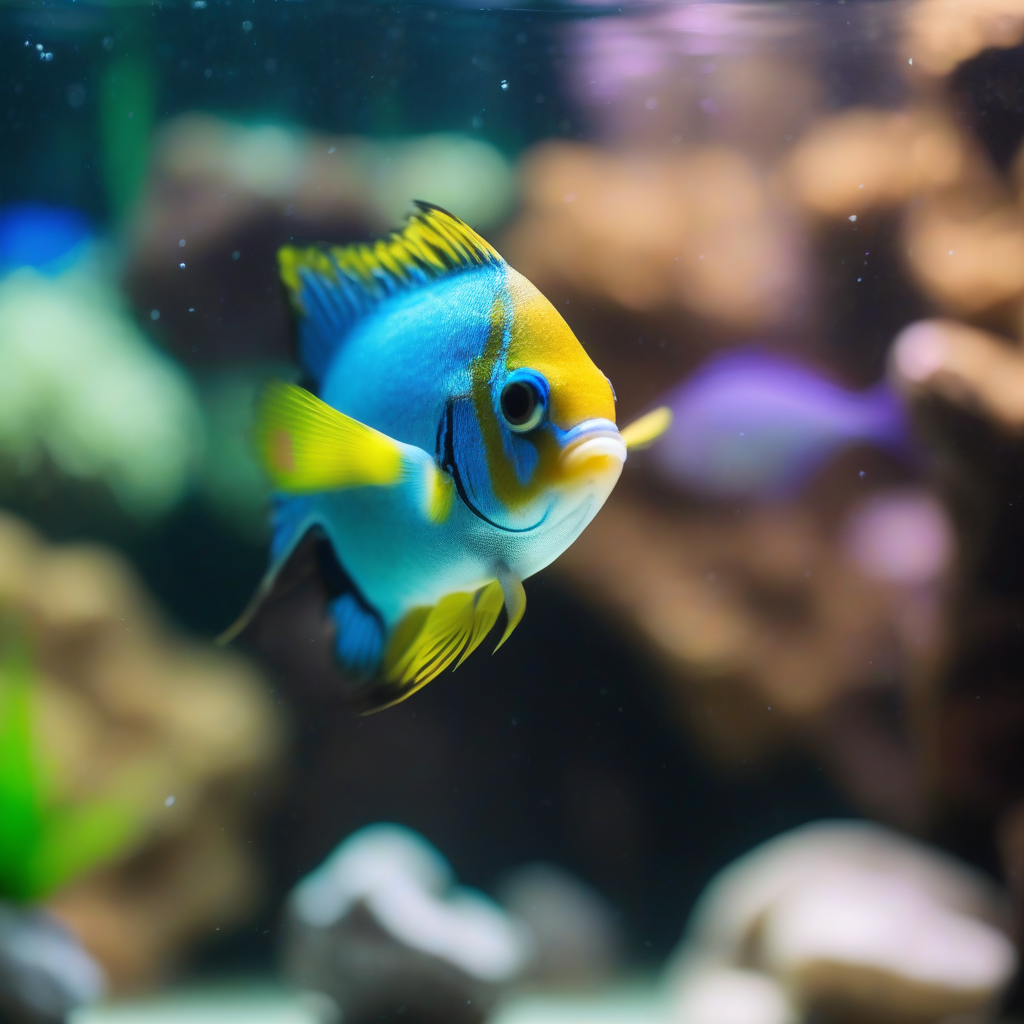
In this article, you will find comprehensive information on the insidious neurotoxic effects of heavy metal poisoning in aquarium fish, its symptoms, and lifesaving emergency intervention codes. This condition, which can arise from household water sources, improper equipment, or neglect, can severely threaten your fish's quality of life and lifespan.
As of March 2026, proactive and holistic strategies are gaining increasing importance in our approach to pet health. A cornerstone of this approach is the hormonal balance and endocrine system health of our beloved companions. Hormones, which orchestrate the body's internal functions, play a critical role in everything from metabolism to growth and reproduction, and even behavior. In this guide, we will delve into common endocrine diseases in pets, their symptoms, diagnosis, and treatment methods.
A pet's endocrine system consists of a network of glands that produce hormones regulating various bodily functions. The thyroid gland, adrenal glands, pancreas, parathyroid glands, and pituitary gland are key players in this system. Even a slight imbalance in the hormones secreted by these glands can lead to widespread health issues that significantly impact our pets' quality of life.
Hormonal imbalances can arise from various causes, including aging, genetic predisposition, dietary mistakes, environmental factors, and sometimes specific medication use. Recognizing early symptoms and seeking timely veterinary attention are vital for successful management of these conditions. As with many diseases in pets, advanced diagnostics and early disease detection methods play a crucial role for accurate and prompt intervention in hormonal disorders.
The most common endocrine diseases in pets include:
Commonly seen in dogs and cats, diabetes occurs when the pancreas doesn't produce enough insulin or when the body cannot effectively utilize the insulin it produces. This leads to elevated blood sugar levels. Symptoms include excessive thirst, frequent urination, weight loss, and increased appetite. Diabetes can be managed with regular insulin injections and specialized cat and dog nutrition.
Diagnosis of hormonal diseases usually involves a detailed physical examination, blood tests (measuring hormone levels), urine tests, and sometimes imaging techniques (ultrasound, X-rays). Early diagnosis is critical to halt disease progression and improve your pet's quality of life.
Treatment varies depending on the type and severity of the disease. Insulin injections for diabetes, hormone supplements or reduction therapies for thyroid diseases, and medication or surgical options for adrenal gland diseases may be applied. In addition to treatment, a special diet program and regular exercise recommended by your veterinarian play an important role in the recovery process.
While it may not always be possible to completely prevent hormonal diseases, there are steps you can take to reduce risk factors and support your pet's overall health:
Your dedication to your pets' hormonal health is key to ensuring they live long, happy, and healthy lives. If you notice any signs of endocrine disease, do not hesitate to seek professional veterinary support without delay.
